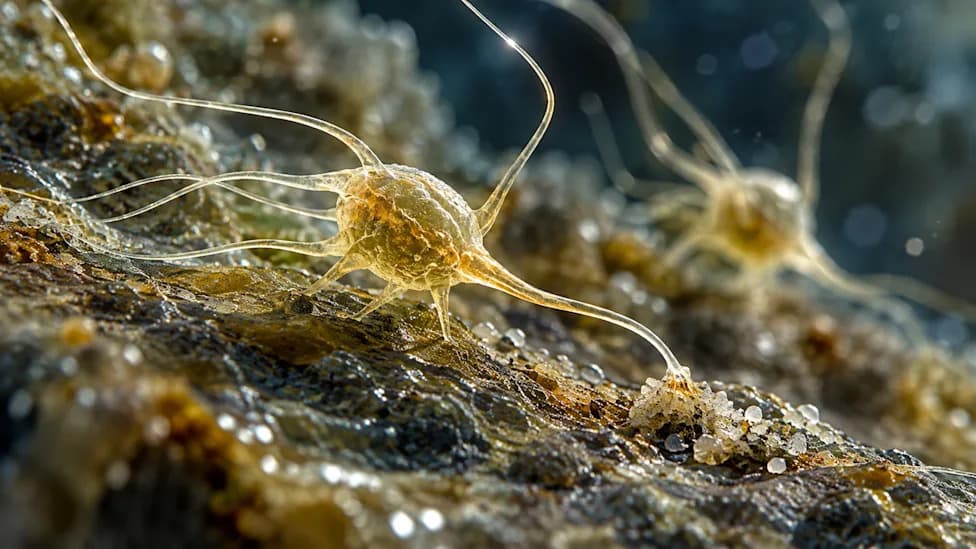
The invasive spotted lanternfly is breeding across Ohio after a statewide quarantine took effect in February 2026. Females lay egg masses from October through December; eggs overwinter and begin hatching in April, with adults appearing in late June and remaining active through December. Residents are urged to scrape egg masses into soapy water or rubbing alcohol, treat with horticultural oil in winter, and use low-toxicity or targeted insecticides for larger infestations. The quarantine now covers the entire state and restricts movement of regulated plant materials.
Spotted Lanternflies Are Breeding Across Ohio — How To Find And Destroy Egg Masses
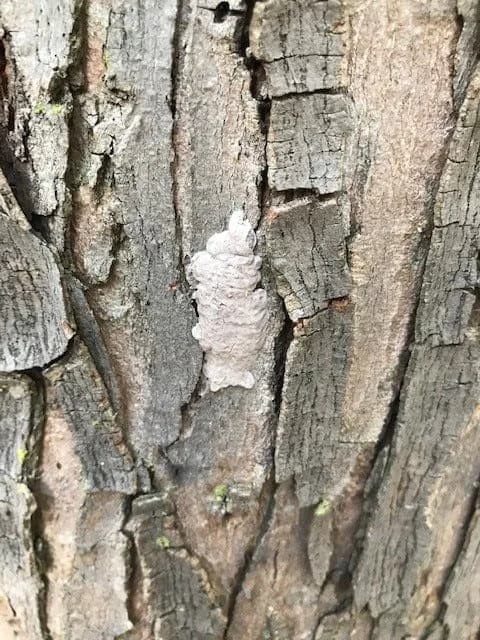
Egg masses laid by Spotted Lanternfly should be removed and disposed of this fall.
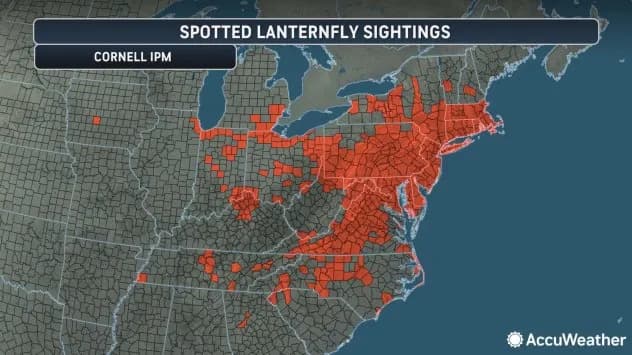
Invasive spotted lanternflies are spreading across Ohio, and state officials are urging residents to destroy any insects or egg masses they find to protect farms, nurseries and vineyards.
Why This Matters
In February 2026 the Ohio Department of Agriculture (ODA) imposed a statewide quarantine to slow the spread of the spotted lanternfly, restricting movement of wood, trees and other items that can carry the pest. ODA Director Brian Baldridge warned the insect threatens Ohio’s agricultural industries, and plant-health specialists are working with nurseries and wineries to reduce damage.
Life Cycle And Where To Look
The lanternflies are now laying eggs that will overwinter and hatch next spring. Females deposit egg masses from October through December; the masses look like small, grayish clusters coated with a waxy substance and are often hidden in sheltered spots such as tree bark, building eaves, stacked firewood, outdoor furniture, lawn equipment and rocks.
Nymphs typically begin hatching in April and pass through four nymphal stages before adults appear in late June. Adults remain active through December, then most die off in winter, while egg masses survive and produce the next year’s population.
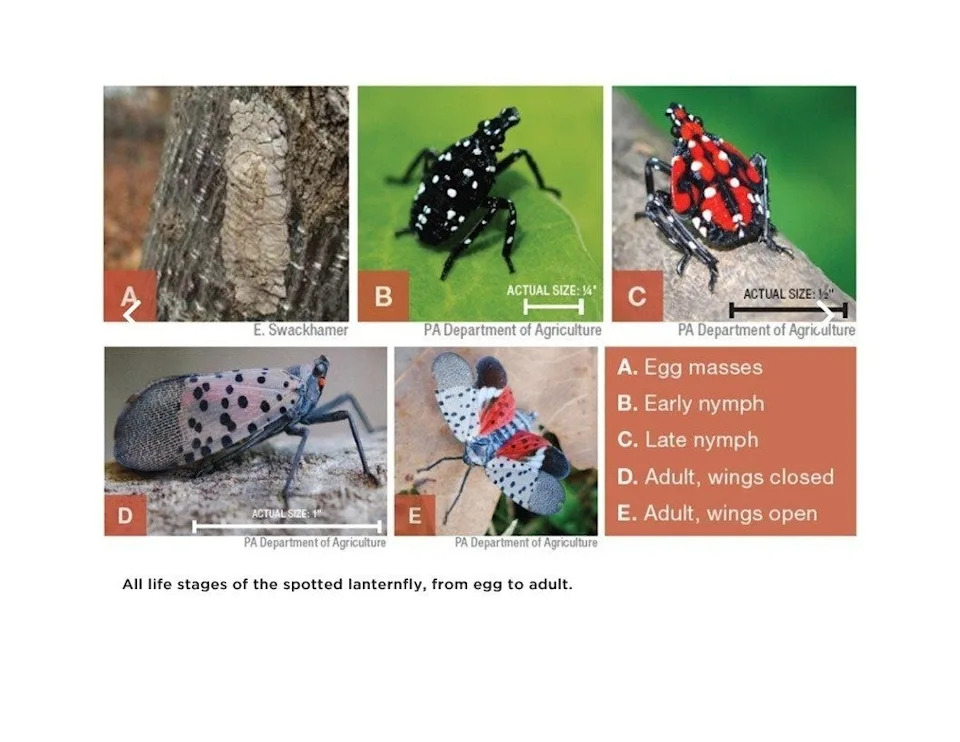
Spotted lanternflies in their various life stages.
How To Identify Egg Masses
Look for: flattened, gray or mud-like 1–2 inch patches on smooth surfaces or bark crevices; sometimes covered by a waxy, fuzzy coating. Egg masses may be laid on almost any outdoor surface that offers some protection.
How To Destroy Eggs, Nymphs And Adults
Egg Masses: Scrape egg masses into a container of soapy water or rubbing alcohol using a flat edge (credit card, putty knife, or knife) to kill the eggs. Wear gloves, and seal and dispose of the container. Egg masses may also be treated with labeled horticultural oils during winter or before plants leaf out in spring.
Nymphs And Adults: Small numbers can be swatted or crushed. For larger infestations, lower-toxicity options such as horticultural oils and insecticidal soaps are effective with minimal residual impact. Labeled contact insecticides sometimes used for spot treatments include bifenthrin, carbaryl and malathion. Systemic insecticides (for example dinotefuran or imidacloprid) can be applied as trunk sprays, trunk injections or soil drenches according to label directions; some applications require certified applicators or specialized equipment.
Safety And Pollinators: Pesticides can kill beneficial insects. Do not apply insecticides when trees or shrubs are in bloom or when nearby flowering plants may absorb the chemicals. Follow label instructions and local regulations.
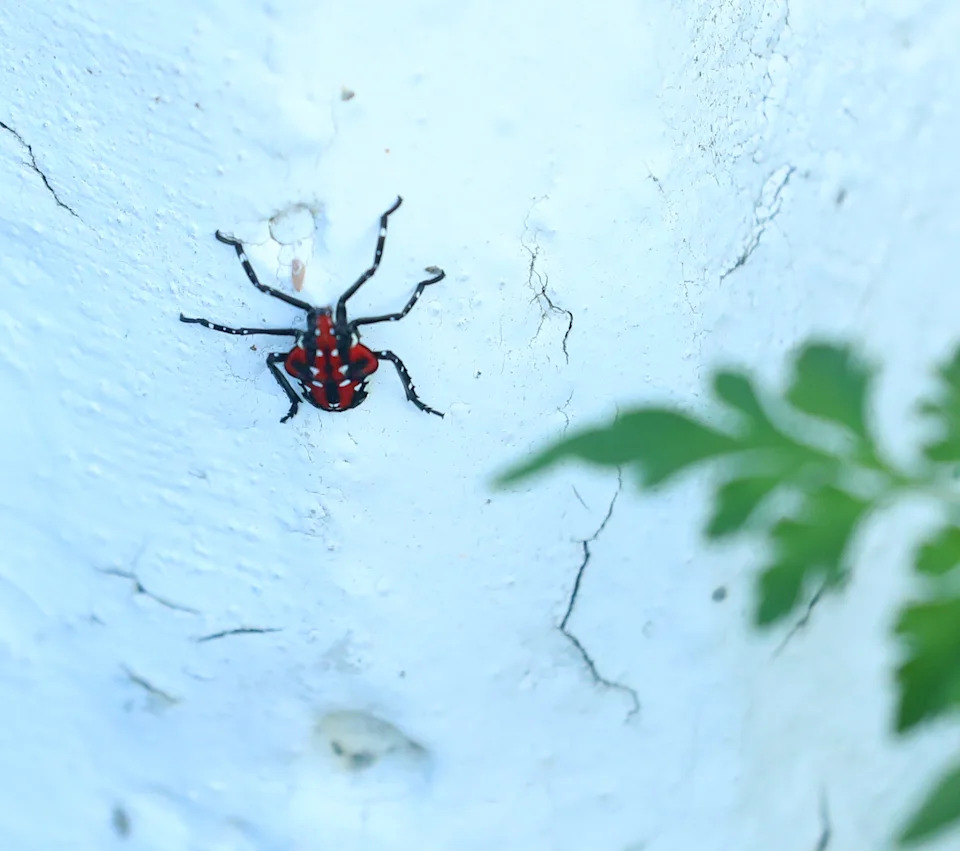
A spotted lanternfly nymph climbs a wall in New Hamburg on July 23, 2026.
Prevention And Landscape Actions
Removing preferred host plants — notably the invasive tree of heaven — can reduce local populations. Keep firewood and outdoor equipment inspected and stored properly. Nurseries and producers shipping regulated items must follow quarantine requirements including inspection certificates, permits or compliance agreements.
Quarantine And Reporting
Since February 2026 the number of Ohio counties under quarantine rose from 18 to 88; the quarantine now covers the entire state. Regulated articles include spotted lanternflies (any life stage), live or cut trees and nursery stock, firewood, logs, perennial plants, agricultural produce and other items that may harbor the insect. Because the quarantine covers all of Ohio, ODA is no longer requesting community reports of sightings; instead, residents should take prompt control actions and follow guidance from ODA and local extension offices.
Impact On Crops
Spotted lanternflies feed on many plants, causing wilting and dieback and increasing susceptibility to disease. They favor tree of heaven and also feed on grapes and hops, posing a serious threat to vineyards and hop yards. The insects excrete sticky honeydew that attracts other pests and promotes sooty mold, which can damage fruit crops.
If You See One, Kill It — Carefully: Officials emphasize quick removal, but follow safe handling practices: wear gloves, place crushed insects or scraped eggs into a sealed container with soapy water or alcohol, and dispose of according to local guidance.
This article was adapted from reporting by The Columbus Dispatch and guidance from the Ohio Department of Agriculture and Penn State Extension.
Help us improve.