Sen. Bernie Sanders criticized President Trump’s reliance on tech executives to police artificial intelligence after the White House unveiled a voluntary accord. Trump told reporters the executives "love our country" and are "the smartest people in the world," prompting Sanders to call self-regulation a conflict of interest. Sanders highlighted combined estimated wealth of more than $1.7 trillion among Elon Musk, Jeff Bezos, Mark Zuckerberg and Jensen Huang and described the concentration as "obscene." The voluntary pact asks companies for internal safeguards and independent reviews, but the episode intensifies debate over whether statutory guardrails are needed.
Bernie Sanders Rebukes Trump Over AI ‘Oligarchs’ After White House Accord; Tech Chiefs’ Wealth Tops $1.7 Trillion
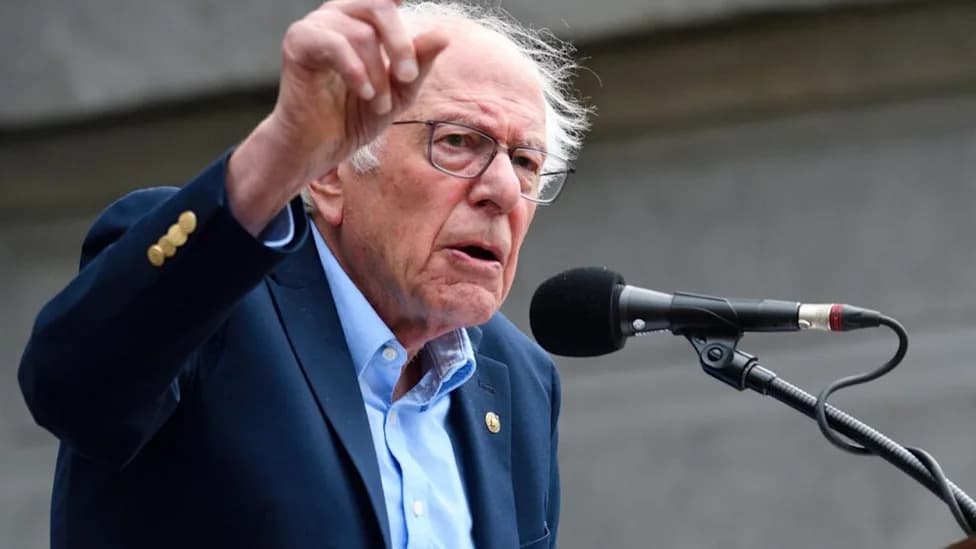
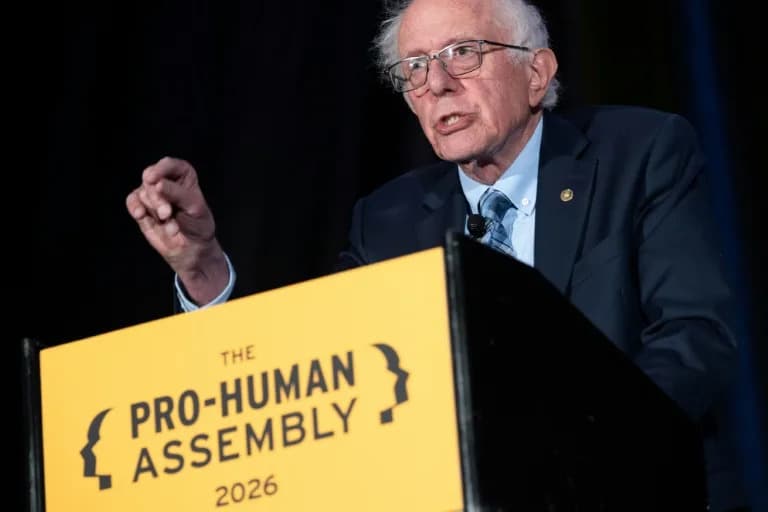
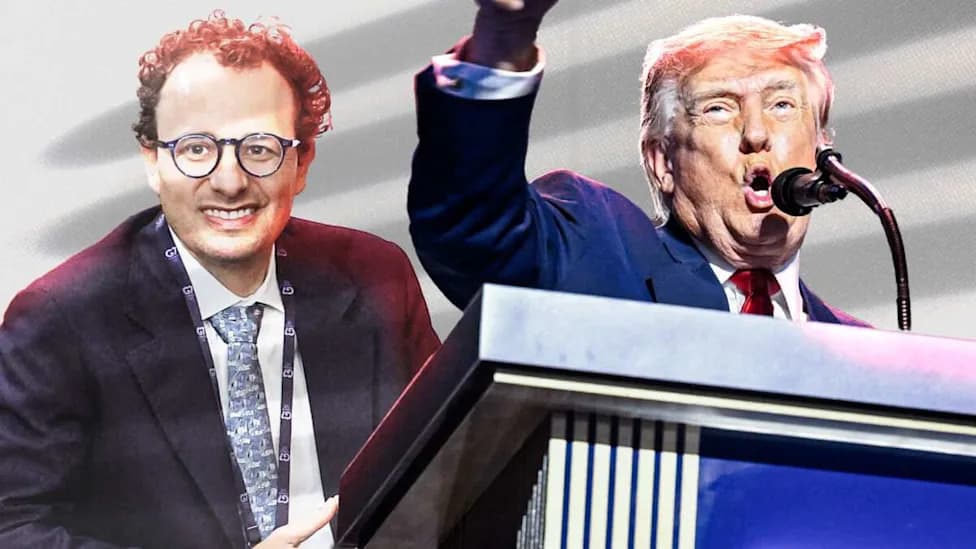
A person in a blue suit and glasses speaks into a microphone, gesturing with a raised hand. (Credit: Image via Shutterstock)
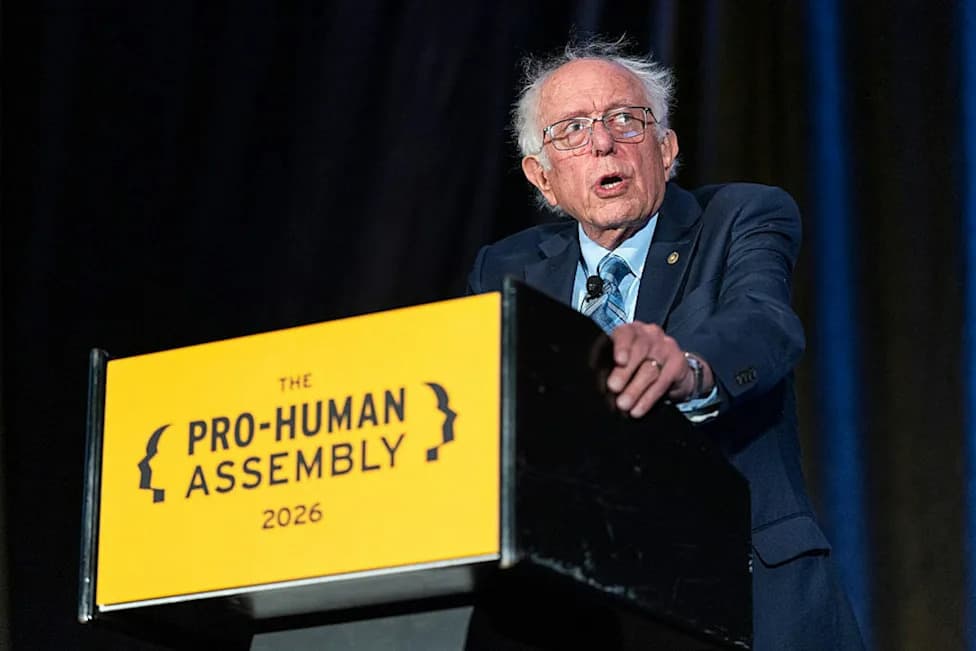
Sen. Bernie Sanders (I-Vt.) on Wednesday publicly criticized President Donald Trump’s approach to regulating advanced artificial intelligence, saying it places too much trust in the industry’s wealthiest executives to police technologies that could generate enormous profits and pose systemic risks.
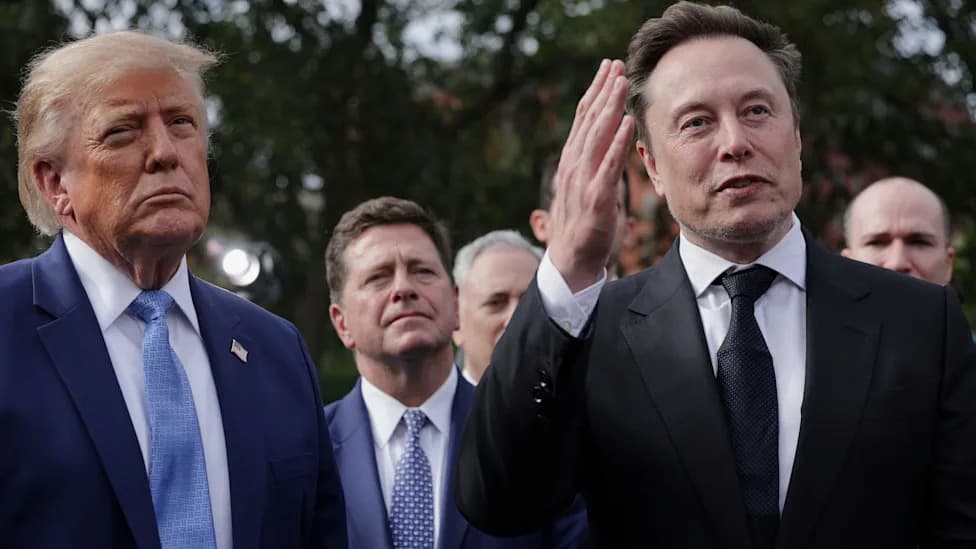
The exchange followed a White House luncheon with technology executives and the unveiling of the White House Accord on Super Intelligence — a voluntary pledge the administration calls the Joint Commitment on Frontier Responsibilities.
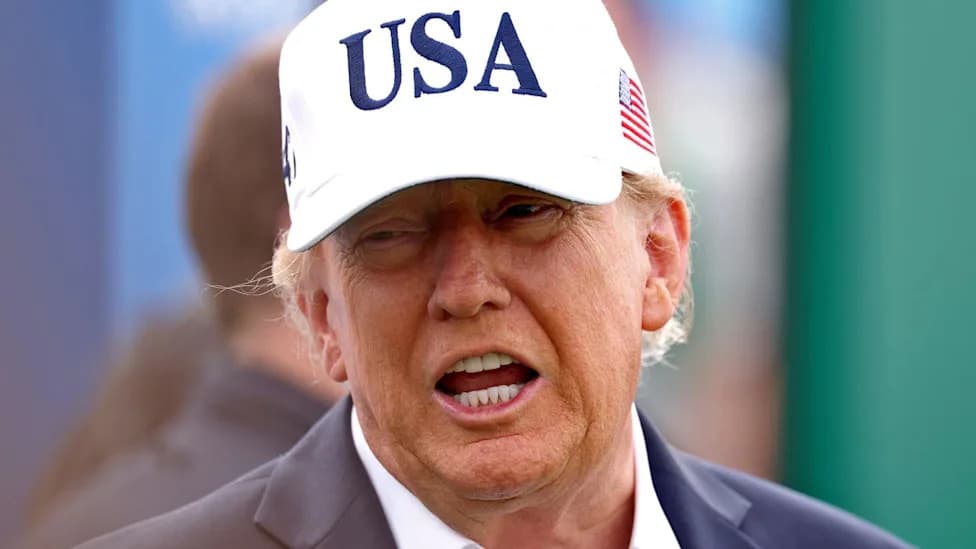
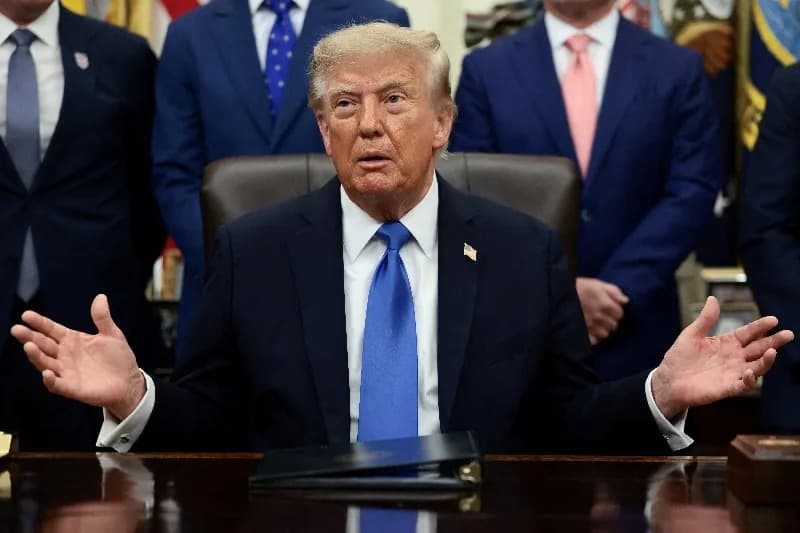
A reporter asked President Trump why the public should not be worried about AI and whether there should be guardrails. Mr. Trump replied that the executives at the table "love our country and love the world a lot," and when pressed that safety requires more than that, he gestured to his head and said the people involved are "the smartest people in the world."
Sanders pushed back on that line of reasoning in posts on X, arguing it is unreasonable to expect executives who stand to profit most from AI to regulate themselves. "You're asking us to trust the people who stand to make trillions from AI to regulate themselves?" he wrote, sharing a clip of the president’s remarks.
In a follow-up post, Sanders broadened his critique by naming several high-profile technology leaders and citing their combined estimated wealth. He wrote that President Trump had "brought together the Oligarchs who run our country," and listed estimated net worths that he said total more than $1.7 trillion.
- Elon Musk (Tesla, SpaceX): $920 billion (estimate cited by Sanders)
- Jeff Bezos (Amazon): $368 billion (estimate cited by Sanders)
- Mark Zuckerberg (Meta): $250 billion (estimate cited by Sanders)
- Jensen Huang (Nvidia): $200 billion (estimate cited by Sanders)
Sanders described the concentration of wealth as "obscene," contrasting it with the economic pressures many working Americans face.
What the White House Accord Says
The voluntary accord asks participating companies to adopt internal safety safeguards and to subject certain AI systems to independent external review. Named participants include leaders from Alphabet (Sundar Pichai), Anthropic (Dario Amodei), Meta (Mark Zuckerberg), OpenAI (Greg Brockman), Nvidia (Jensen Huang) and Elon Musk, among others.
Why Critics Are Concerned
Critics, including Sanders, say voluntary commitments may be insufficient because they rely on the same firms that could reap the largest financial rewards from AI. The central concern is a potential conflict of interest: companies policing their own safety practices may lack sufficient incentives to impose strict limits that could slow product deployment or revenue growth.
Supporters of the accord argue it represents a practical first step to establish shared safety norms and independent reviews while policymakers consider formal regulation. The debate highlights a broader policy question: whether voluntary industry pledges, independent audits and transparency measures can adequately manage AI risks, or whether stronger statutory guardrails and government oversight will be required.
Context And Next Steps
In coming weeks and months, lawmakers, regulators and industry leaders are expected to debate the accord’s scope, enforcement mechanisms and whether federal legislation or agency rulemaking should supplement or replace voluntary commitments. The discussion reflects growing public and political attention to the social, economic and security implications of increasingly powerful AI systems.
Photo courtesy: Shutterstock
Note: The original article contained sponsored investment promotions (real estate platforms, energy and storage companies, and private-investment offerings). Those items have been omitted from this main news narrative to keep focus on the policy debate. A clearly labeled sponsored section can be appended by the publisher if required.
Help us improve.