The NSW Parliament passed the Crimes and Other Legislation Amendment (Further Organised Crimes Reforms) Bill 2026 on 25 September 2026; it awaits assent and none of its powers are yet in force. The bill would let Transport for NSW share driver‑licence and photo‑card images with authorised agencies via a Commonwealth identity‑matching framework, enabling stored photographs to be used for face‑matching. It also permits approved toll cameras to capture drivers and passengers and introduces Digital Evidence Access Orders for seized devices. Significant questions remain about participating agencies, data retention, oversight and remedies for incorrect matches.
NSW May Turn Driver’s Licence Photos Into A National Biometric ID — Bill Awaits Assent
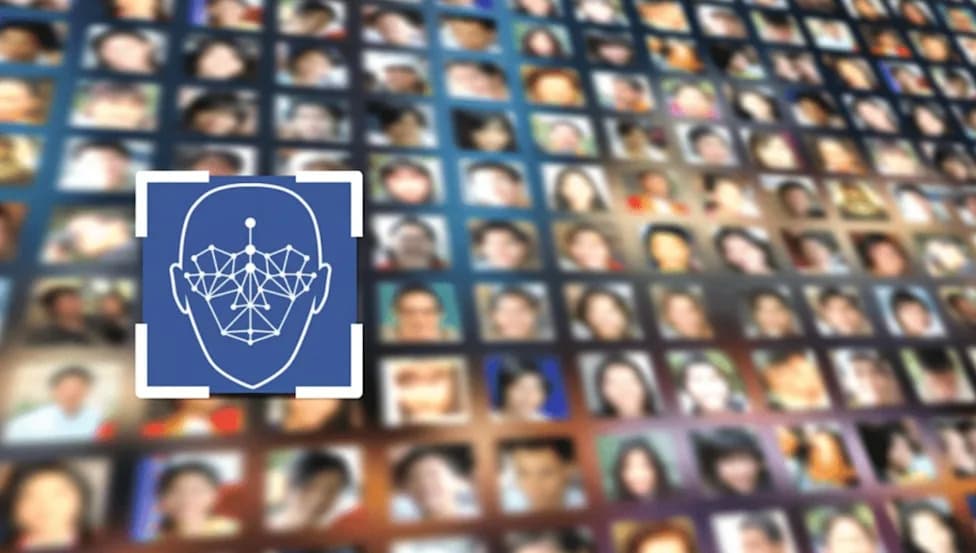
Image: biometricupdate
The photograph you supplied to obtain a driver’s licence — originally intended simply to verify your identity — could soon be repurposed as authorised input to a national identity‑matching system. The Crimes and Other Legislation Amendment (Further Organised Crimes Reforms) Bill 2026 passed the NSW Parliament on 25 September 2026 and is awaiting assent; none of its powers are yet in force.
What the Bill Would Do
The bill amends the Road Transport Act 2013 to enable New South Wales to participate in the Intergovernmental Agreement on Identity Matching Services, the framework that links state and federal identity databases for cross‑agency face matching. Images held by Transport for NSW — including driver‑licence and photo‑card photographs — may be shared with authorised government agencies via a central Commonwealth database, the NSW Government confirmed in its official announcement.
Key operational changes include:
- Authorised agencies could use stored licence and photo‑card images "for a face‑matching service or another lawful purpose connected with the functions of the authorised government agency".
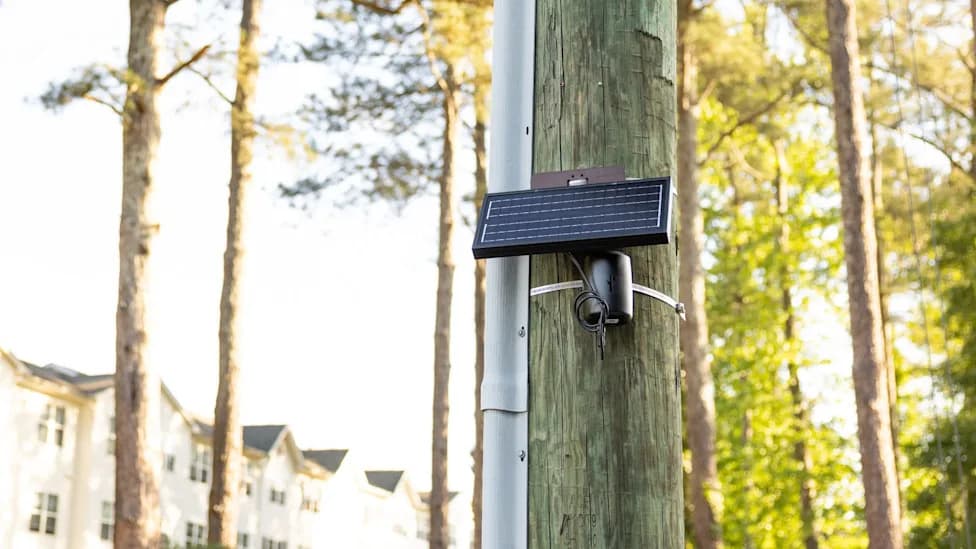
- Amendments to the Roads Act 1993 would allow approved toll cameras to photograph vehicles, drivers and passengers, including passengers under 16 years old.
- Police access to unredacted images is initially said to be limited to serious indictable offences and missing‑person investigations, beginning with cameras at the Sydney Harbour Bridge and Sydney Harbour Tunnel.
- The bill also creates Digital Evidence Access Orders, permitting police to require the PIN or password for a lawfully seized device in specified circumstances.
Funding, Limits and Enforcement
Separately, the NSW Government has pledged A$15 million to enhance police capability to access encrypted devices and communications platforms; that funding is distinct from the legal powers created by this bill. Under the proposed scheme, refusing to comply with a Digital Evidence Access Order or providing false information would be an offence.
Unresolved Questions and Risks
While the government frames these measures as organised‑crime reforms targeting stolen identities, serious offending and missing persons, the bill’s enabling language is broader than those stated objectives. The NSW Parliament’s Legislation Review Digest flagged the face‑matching and toll‑camera provisions as significant and noted the administrative powers would be wide in scope.
Important details remain unclear: which agencies will be authorised to use the system; whether licence photos will be retained as biometric templates or matched and discarded; what auditing, access controls and oversight will apply; and what remedies will be available to people wrongly matched. Those answers depend on regulations and oversight arrangements that were not available in the sources reviewed.
Bottom line: The bill would make existing licence photographs legally available for national face‑matching, expanding how routine administrative images can be used across government — but key safeguards and limits are not yet specified.
Help us improve.