South Korea reached "super‑aged" status in December 2024, with the 65+ share rising to 22.1% by August 2026. Rapid aging — projected to reach about 41% 65+ by 2060 — is intensifying pressures on pensions, health and long‑term care. Despite a 2025 pension reform and a long‑term care insurance program (2008), gaps remain in income security, rural services and mental‑health supports. The main lesson: acting earlier in the demographic transition preserves policy options and reduces future fiscal and care crises.
How South Korea Became Super‑Aged — What Its Rapid Transition Teaches the World

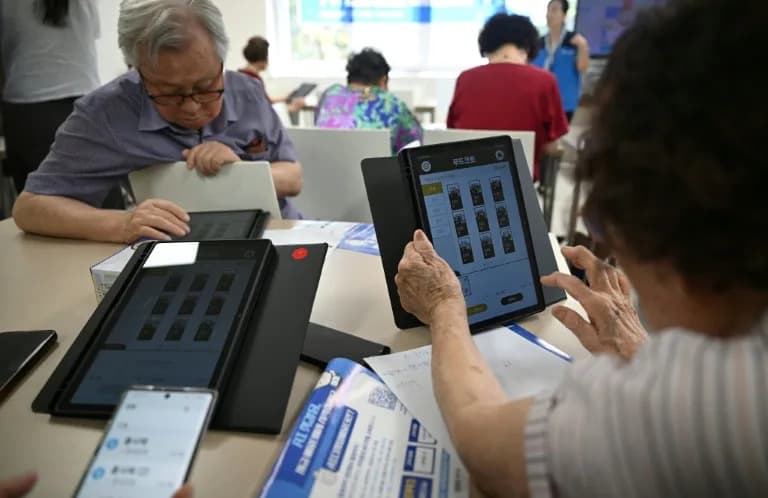
Healthcare and assistance for the elderly are particular challenges for South Korea's rapidly aging society.Plan Shooting 2/Imazins via Getty Images
South Korea crossed the 20% threshold of population aged 65+ in December 2024 and reached 22.1% by August 2026 — formally a "super‑aged" society. That exceptionally rapid demographic shift is already straining pensions, health care, long‑term care and family support systems, and it offers early lessons for countries that will age quickly in the coming decades.
Fast Demographic Change
South Korea moved from an "aging" society (7%–13% aged 65+) to a super‑aged society in roughly 24 years, faster than comparable transitions such as Japan's 35 years. Projections suggest nearly 41% of South Koreans could be 65 or older by 2060, leaving policymakers limited time to adapt institutions and services to rising demand.
Pensions and Financial Security
The retirement system centers on the National Pension Service (NPS) — funded by worker, employer and self‑employed contributions — and the public Basic Pension for lower‑income adults 65 and older. Without further reforms, actuarial estimates project the national pension fund could be depleted by 2054. Many older adults who entered the workforce earlier have incomplete contribution histories and receive only modest benefits.
OECD data show deep old‑age income insecurity: 39.7% of people aged 66+ live on less than half the national median household disposable income, the highest rate among OECD members. Many older Koreans are asset‑rich but cash‑poor (over 80% of assets held in real estate, only ~12.4% in savings), prompting increased use of reverse mortgages alongside Basic Pension benefits.
Work and Retirement
Because pension benefits are often inadequate, labor‑force participation among older adults is high. Average patterns show men leaving their longest‑held job around age 51 but continuing to work — often in lower‑paid, insecure "second careers" — until about age 72. The statutory retirement age has traditionally been 60, and policymakers are debating phased increases to 65 to better align work life and pension eligibility.
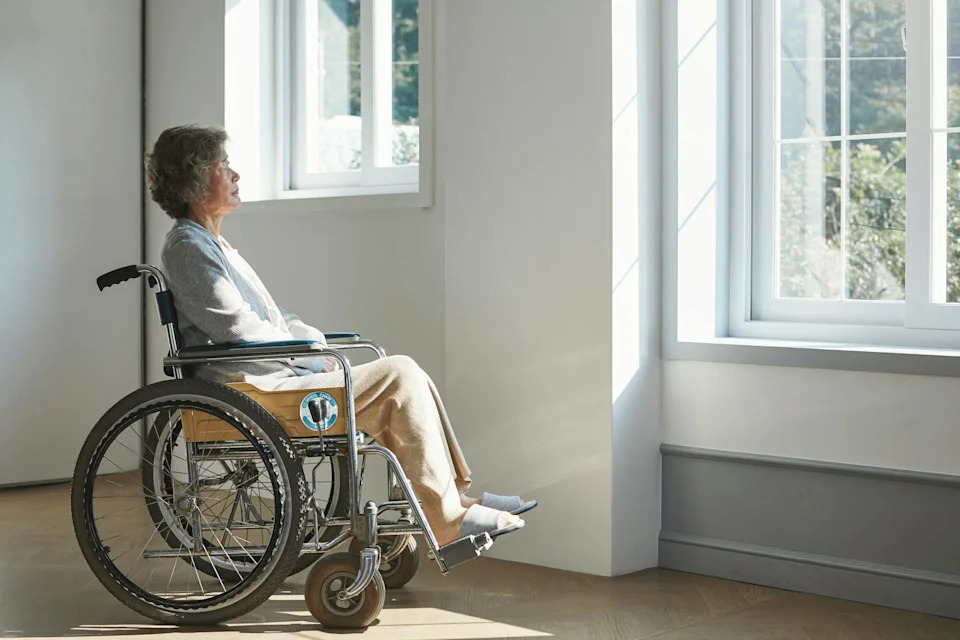
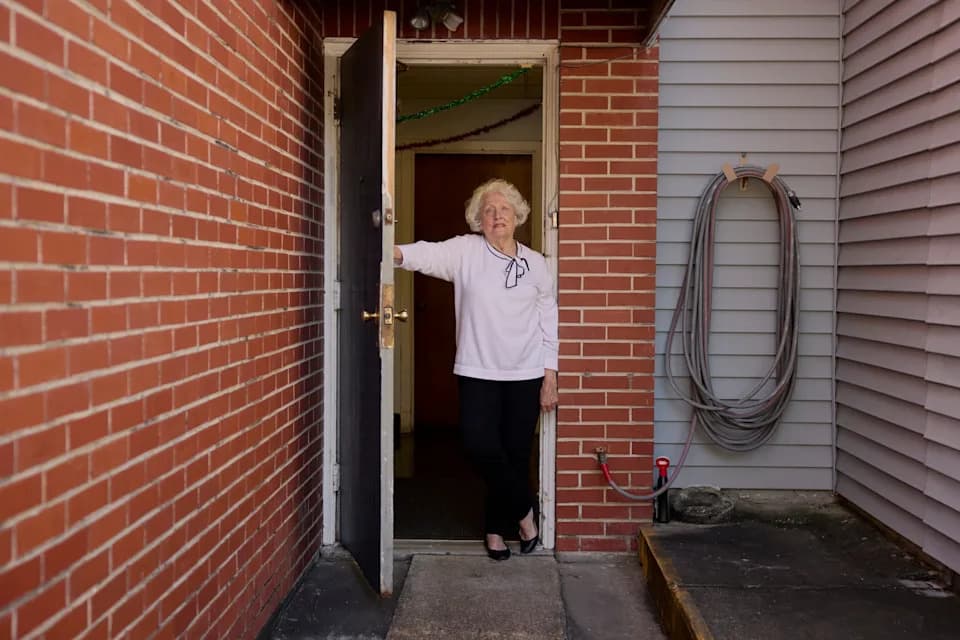
In addition to attending to its older citizens' physical health, South Korea is also looking at ways to address loneliness and mental health among the elderly.Plan Shooting 2/Imazins via Getty Images
Health Care and Long‑Term Care
South Korea introduced long‑term care insurance in 2008 to cover home care, nursing, rehabilitation, day programs, assistive devices and residential care. The program is financed through National Health Insurance, government support and user copayments. In 2024, 10.8% of people 65+ and 31.9% of those 80+ were certified to receive benefits, and those shares are expected to rise.
Gaps remain: families still shoulder much care, the workforce is concentrated among older women in precarious jobs, and rural areas have fewer services and weaker infrastructure. Many older adults also fear becoming a burden on their relatives.
Mental Health, Isolation and Abuse
Mental health and social connection are urgent concerns. South Korea has the highest suicide rate in the OECD, with particularly high rates among people 65 and older. The 2023 National Survey of Older Koreans found that 6.6% of adults 65+ reported having no one to turn to in times of illness, depression or urgent need (rising to 12.9% among those 85+). The survey also reported 4.8% experienced physical, sexual or emotional abuse in the previous year and 26.3% reported age discrimination in at least one everyday context.
Policy Responses and Transferable Lessons
South Korea has already enacted major changes — a 2025 pension reform will gradually raise the national pension contribution rate from 9% to 13% by 2033 and set a target replacement rate of 43% — and continues to expand long‑term care capacity. Yet its experience underscores key lessons for other countries:
- Act Early: A slower transition gives governments more policy options and time to build institutions before fiscal and care pressures intensify.
- Coordinate Policy: Pension, labor and employment policies must be aligned — raising retirement age alone is not a complete solution.
- Invest In Care Systems: Expand workforce, home‑based care, and rural infrastructure before demand outpaces supply.
- Address Income Security: Tackle old‑age poverty through a mix of pension reforms, targeted benefits and financial products that protect the most vulnerable.
- Combat Isolation And Abuse: Integrate mental health, social programs and elder protection into aging strategies.
South Korea's path shows both proactive institutional development and the costs of delayed adaptation. Its rapid aging offers a cautionary example and a source of practical policy ideas for nations that will face similar demographic pressures.
Authors: Jeongmin Park, Ph.D. candidate in Human Development and Family Studies and Demography, The Pennsylvania State University; and Alexis R. Santos‑Lozada, Population Research Institute and Center for Healthy Aging, Pennsylvania State University.
Help us improve.