President Trump cited Census data to claim the U.S. has the "best poverty numbers ever," pointing to a 10.2% Official Poverty Measure in 2025. Economists counter that the Supplemental Poverty Measure (SPM), which includes in-kind benefits and deducts out-of-pocket costs, was 13.1% in 2025 and remains well above the 2021 low. Experts say the 2021 Advance Child Tax Credit temporarily lowered SPM figures and that recent policy changes — including cuts to Medicaid and SNAP — are likely to increase poverty going forward.
Trump Boasts “Best Poverty Numbers Ever.” Economists Say He’s Relying On A Flawed Measure

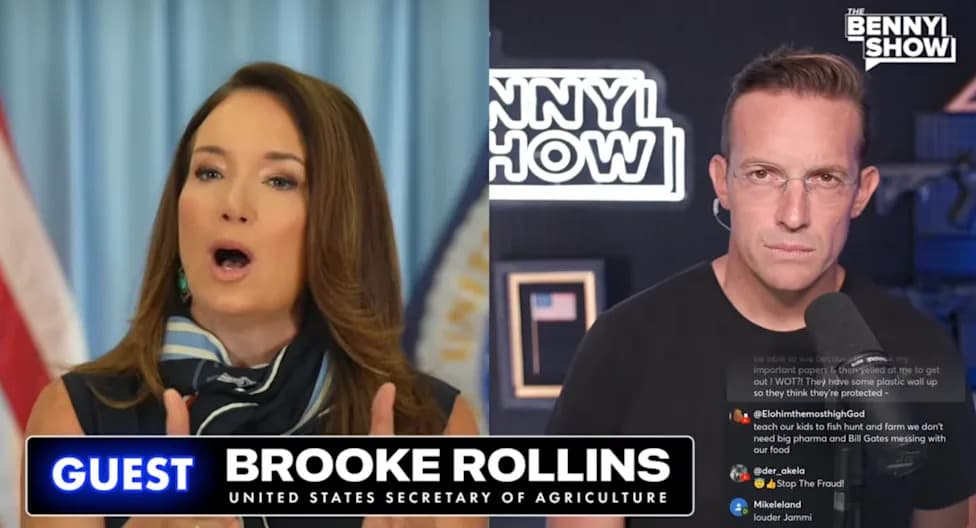
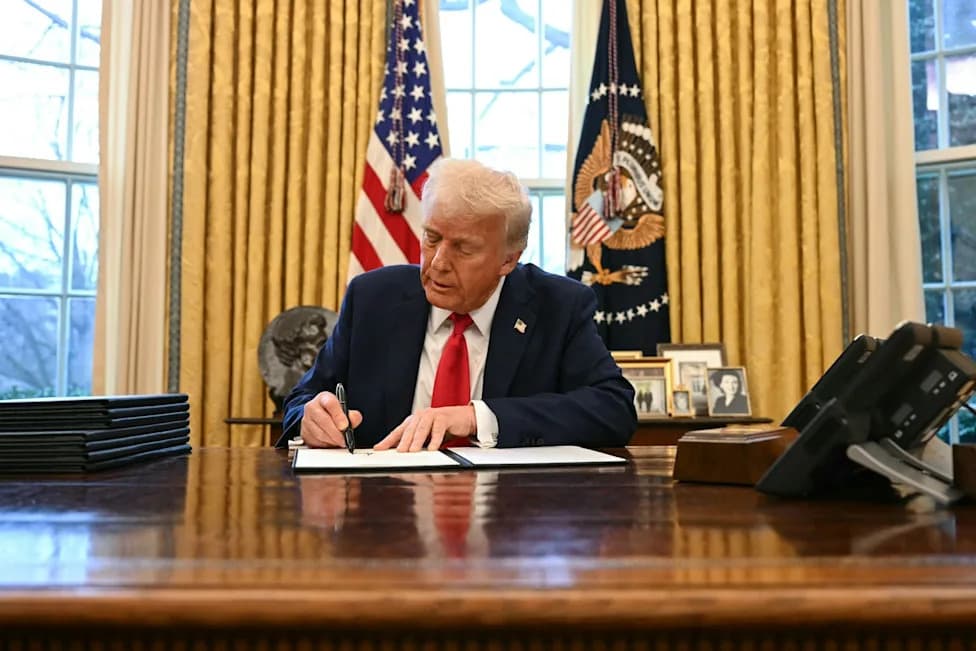
"We have the best, I guess you could say poverty, they talk poverty," Trump said. "We have the best poverty numbers ever in the history of our country." X.com/atrupar
President Donald Trump told reporters outside the White House that the United States has the "best poverty numbers ever," citing a U.S. Census report released earlier this month. The White House confirmed the president was referring to the Census's Official Poverty Measure (OPM), which the report put at 10.2% for 2025 — about 34.5 million people — with the 2025 federal poverty line for a family of four at $32,642 in pre-tax cash income.
Why Economists Dispute The Claim
Many economists and social policy experts say that framing is misleading because the OPM counts only pre-tax cash income and omits non-cash benefits and out-of-pocket expenses that significantly affect families' real living standards. Experts typically prefer the Supplemental Poverty Measure (SPM), which adds the value of in-kind benefits such as SNAP and housing assistance and subtracts necessary outlays like taxes and medical costs.
According to the Census Bureau, the SPM was 13.1% in 2025 — a level not statistically different from 2024 but substantially higher than the 7.8% recorded in 2021. Researchers point to the temporary Advance Child Tax Credit in 2021 as a major factor in that unusually low SPM: when the credit expired in 2022, child poverty measured by the SPM jumped to 12.4%.
“The ability of the Child Tax Credit to dramatically reduce the poverty rate shows that the rate is a policy choice,” said Steven Durlauf, director for research on wealth inequality and mobility at the University of Chicago.
Policy Changes And Measured Impact
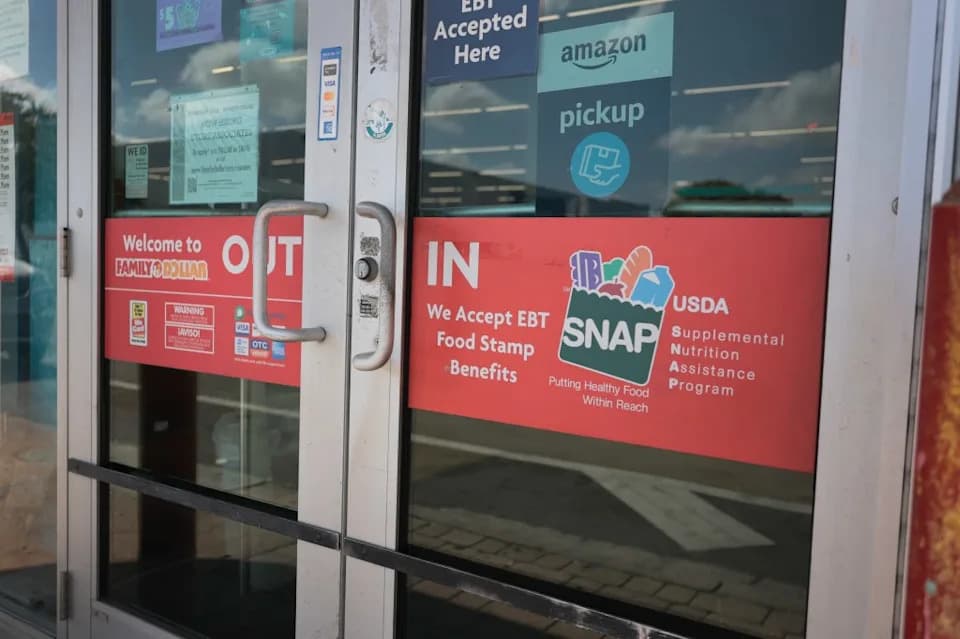
Analysts note that recent fiscal changes will likely push poverty higher under the more comprehensive SPM. The administration's tax cuts are estimated to reduce federal revenue by about $400 billion per year, while the Child Tax Credit in 2021 cost roughly $110 billion. The 2025 "One Big Beautiful Bill Act" also implemented cuts to Medicaid, SNAP (food stamps), and other programs that support households near the poverty line.
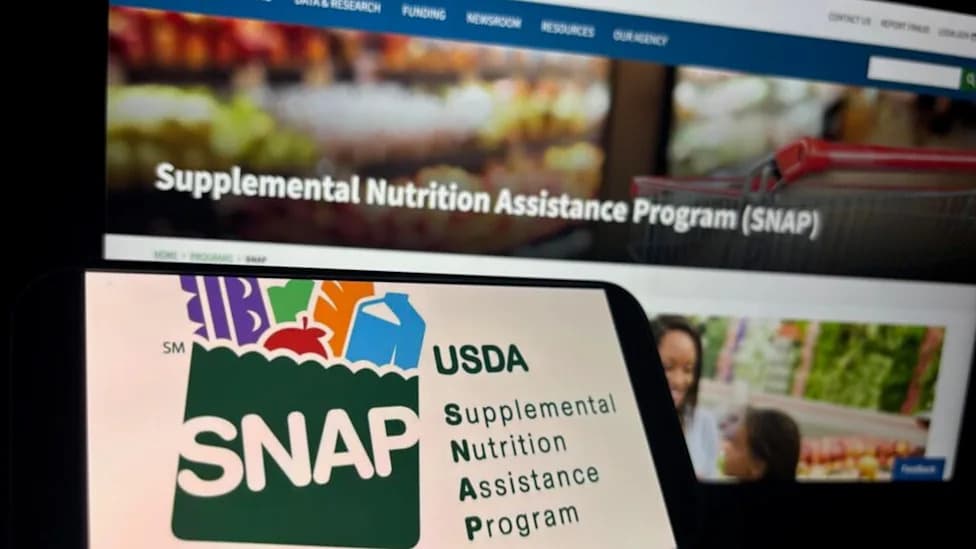
The Center on Budget and Policy Priorities reported that between July 2025 and July 2026 approximately 1.2 million fewer children received SNAP benefits, and more than 5 million people overall lost SNAP assistance. While declines in participation began before the 2025 reconciliation law, the report found that the drop accelerated after the law took effect.
“By the more accurate measure, poverty is higher and recent policies appear to have exacerbated hardship,” said Jason Furman, former chair of the Council of Economic Advisers.
What This Means
In short, Trump’s statement is technically correct if one uses the long-standing Official Poverty Measure, but economists argue the OPM is an incomplete gauge of well-being and policy impact. The Supplemental Poverty Measure — which most experts use for policy analysis — shows higher poverty in 2025 and suggests that cuts to benefits and program access will raise hardship for vulnerable households in the months and years ahead.
Sources: U.S. Census Bureau SPM and OPM data; comments from Steven Durlauf, Jason Furman, and Bruce Meyer; Center on Budget and Policy Priorities report on SNAP participation.
Help us improve.