The Chino City Council reversed a previous denial and approved a large battery storage facility near a public park despite local opposition. Batteries help store inexpensive electricity and release it during peak demand, improving grid reliability and reducing reliance on backup fossil plants. Residents want clear safety, noise, traffic and emergency-response plans; officials are pressing for robust suppression systems, monitoring, setbacks and community outreach. The decision highlights broader state debates over siting energy infrastructure near neighborhoods and public spaces.
Chino Council Reverses Denial, Approves Major Battery Storage Facility Near Park
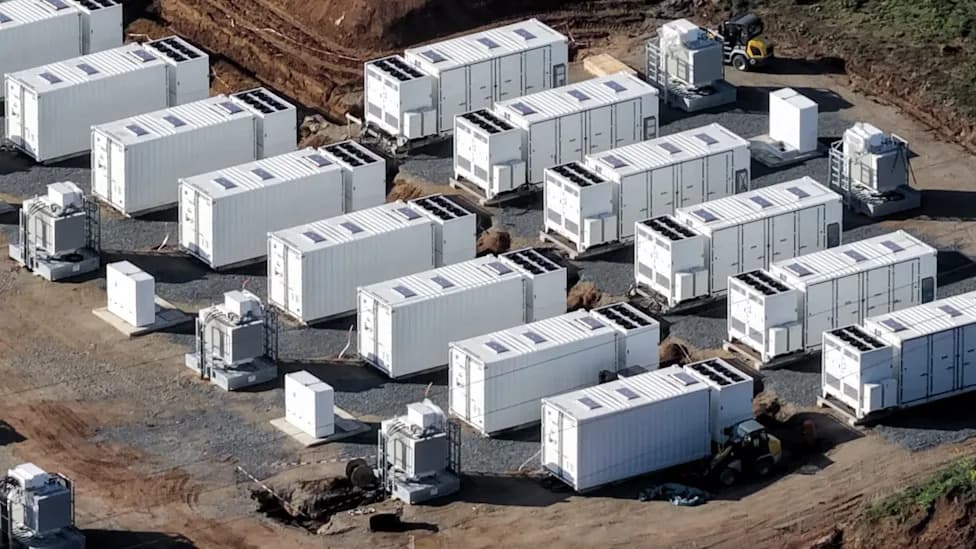
Photo Credit: iStock
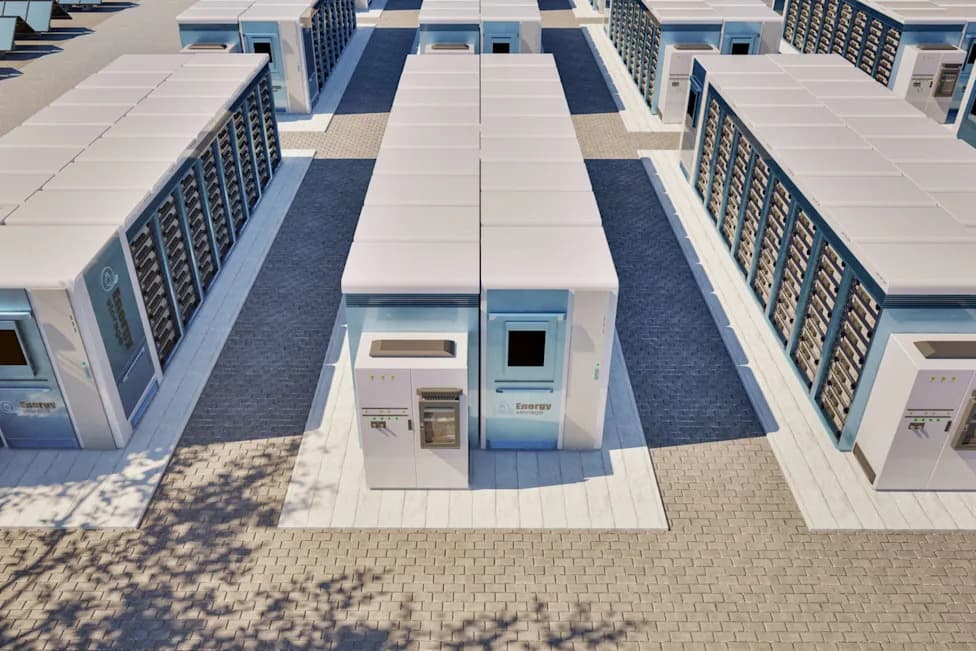
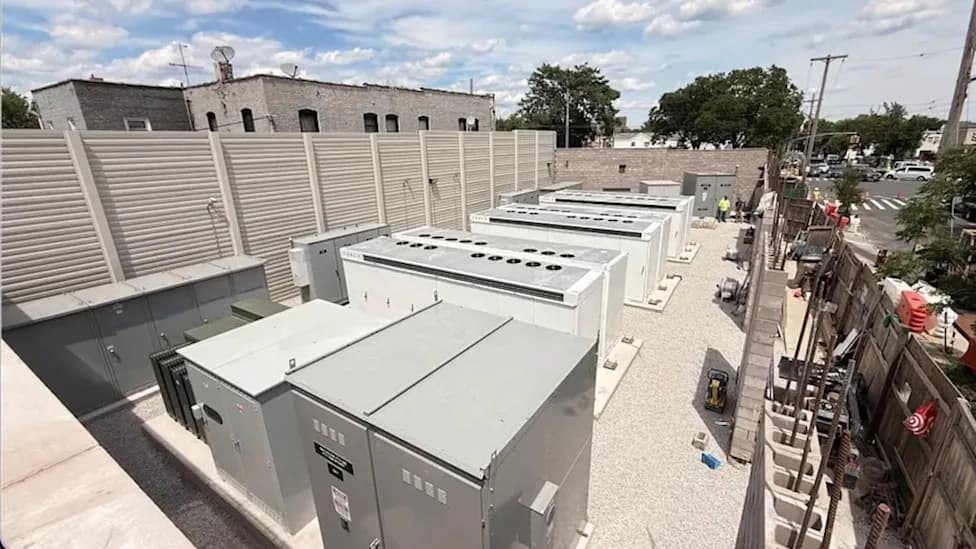
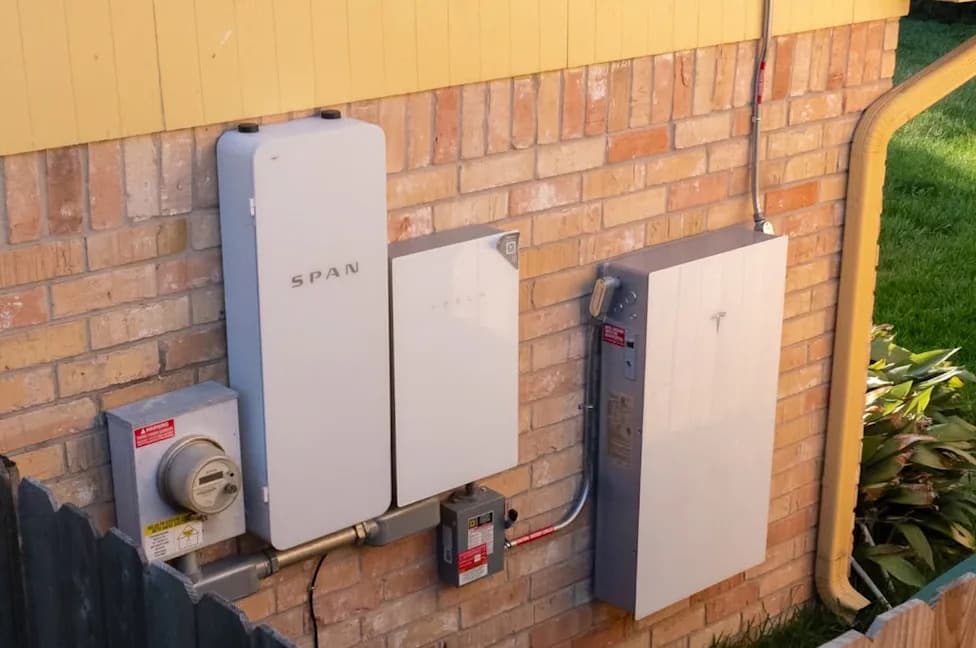
The Chino City Council has reversed an earlier denial and approved construction of a large battery storage facility that had provoked strong local opposition because of its proximity to a beloved park.
What the Vote Changed
Council members voted to overturn a prior rejection and put the project back on track after opponents raised concerns about safety, noise, traffic and impacts on nearby public space. The decision follows reporting by The Daily Bulletin and comes amid broader statewide debates about where and how to site battery infrastructure.
Why Battery Storage Matters
Batteries charge when electricity is abundant and inexpensive—often overnight—and discharge power when demand rises. That ability to shift energy timing helps prevent outages, bolster grid reliability, and reduce the need to fire up fossil-fueled backup plants during peak demand periods. As California integrates more solar and wind power, battery storage plays a key role in smoothing intermittent generation.
Community Concerns And Safety Measures
Residents and local officials commonly ask for detailed plans addressing fire prevention, emergency response, ongoing maintenance, and the facility's potential effects on nearby parks and neighborhoods. Developers and city planners are under pressure to pair projects with robust safety features and transparent outreach. Typical measures include:
- Fire suppression and thermal management systems
- Advanced monitoring and remote shutdown capability
- Setbacks and physical buffers from sensitive areas like parks
- Noise mitigation and traffic-management plans
- Coordination with local emergency responders and regular drills
Statewide Context
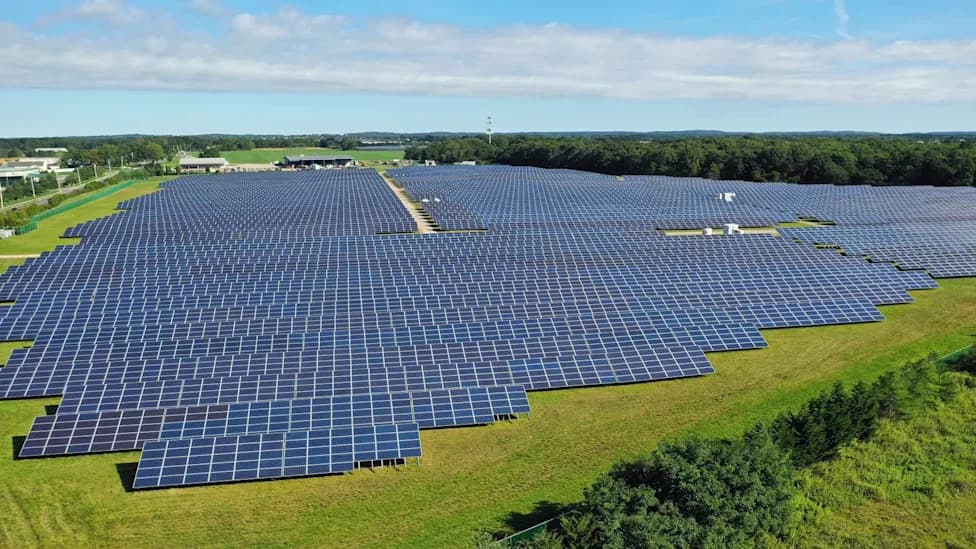
Battery storage is expanding across California and the West as utilities seek to integrate more renewables. Projects vary in scale and siting, and several high-profile installations illustrate the trend:
- San Diego: Peregrine Energy Storage launched one of the region's largest battery projects.
- Idaho: Idaho Power contracted Prevalon to build the state's largest battery storage system.
- Near Las Vegas: The Gemini project brought a very large combined solar and battery system online.
- Nevada (Reid Gardner): A former coal-plant site has been repurposed as a major grid-scale battery hub.
- Geothermal developments: Utility officials have cited geothermal sites as a form of natural, subsurface energy storage in some regions.
What Comes Next
The Chino approval will likely prompt more detailed permitting, environmental review, and community outreach. City officials, developers and residents will need to work through safety plans, monitoring protocols, and emergency-response coordination before construction and operation proceed.
Bottom line: The council’s reversal reflects the tension between accelerating clean-energy infrastructure and community concerns about siting, safety and local impacts. Transparent planning and strong safety measures will be central to resolving those tensions.
Help us improve.