The University of Surrey found that only about 2%–2.5% of electronics arriving at a municipal recycling centre were suitable for reuse, while community repair cafés successfully repaired around 50% of items brought to them. Experts point to low public awareness, a preference for newer devices and product designs that make repair difficult as key barriers. The study calls for better education, stronger repair-friendly policies and more effort to reclaim parts from discarded items to support a circular economy.
Repairable Electronics Are Being Discarded — Study Finds Repair Cafés Fix Half While Recycling Centres Reuse Only 2%
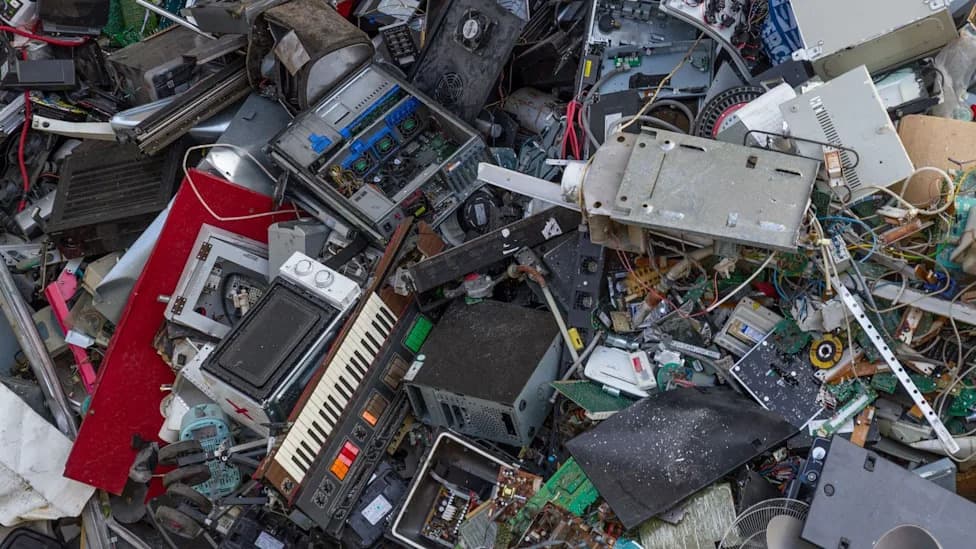
Too many electrical items are being treated as waste, the University of Surrey study finds [Getty Images]
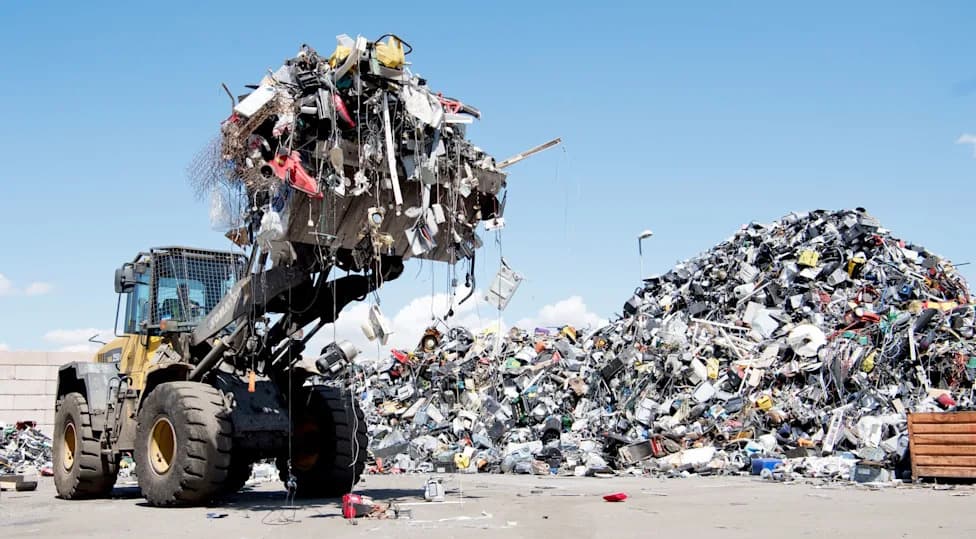
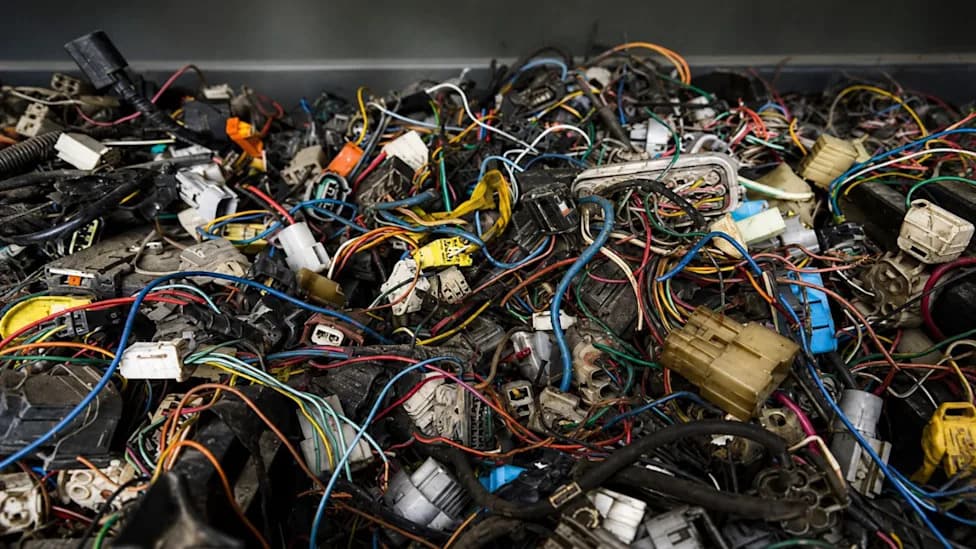
New research from the University of Surrey shows that many electronic devices are routed straight to disposal instead of being assessed for repair or reuse.
Key Findings
The study found that only about 2%–2.5% of devices arriving at a municipal recycling centre were judged suitable for reuse after inspection. By contrast, items brought to community repair cafés were successfully repaired and returned to use in roughly 50% of cases.
"Too many electrical products are treated as waste before anyone has properly considered whether they can be repaired, reused or stripped for valuable parts," said Sheeba Pathak, the study's lead author.
"Recycling has an important role, but it should not automatically be the first destination for a device that may still have years of useful life," she added.
Barriers To Repair
Volunteers and repair advocates point to several barriers: low public awareness of repair options, consumer preference for the latest technology, and design choices that make modern products difficult to fix — for example, devices glued shut or lacking readily available replacement parts.
Mark Konieczko of the Cranleigh Repair Café said he was "not surprised" by the findings and described part of the problem as an "education thing," with many people unaware that items can be fixed or where to take them for repair. He also suggested exploring ways to recover usable spare parts from items brought to household waste tips.
Policy Response
The government said it is "committed to cutting waste and moving to a circular economy so that we re-use, reduce and recycle more resources and help meet our emissions targets." The report strengthens calls for policies and producer practices that prioritise repairability, greater public information about repair services, and better routes for reclaiming parts from discarded items.
The University of Surrey study highlights a growing gap between disposal practices at recycling centres and repair outcomes at community repair cafés — and points to straightforward steps that could keep more devices in use for longer.
Help us improve.