Feral swine populations now exceed six million across more than 35 U.S. states, causing widespread agricultural and ecological damage. These animals move in sounders and reproduce rapidly, making control difficult and costly. They can carry diseases such as African Swine Fever (ASF), which has no vaccine in widespread use; officials urge immediate reporting of dead or sick swine to USDA-APHIS. Coordinated, timely management and public involvement are essential to prevent further spread and protect animal health.
More Than 6 Million Feral Hogs in 35+ States — Threat Of African Swine Fever Raises Alarm
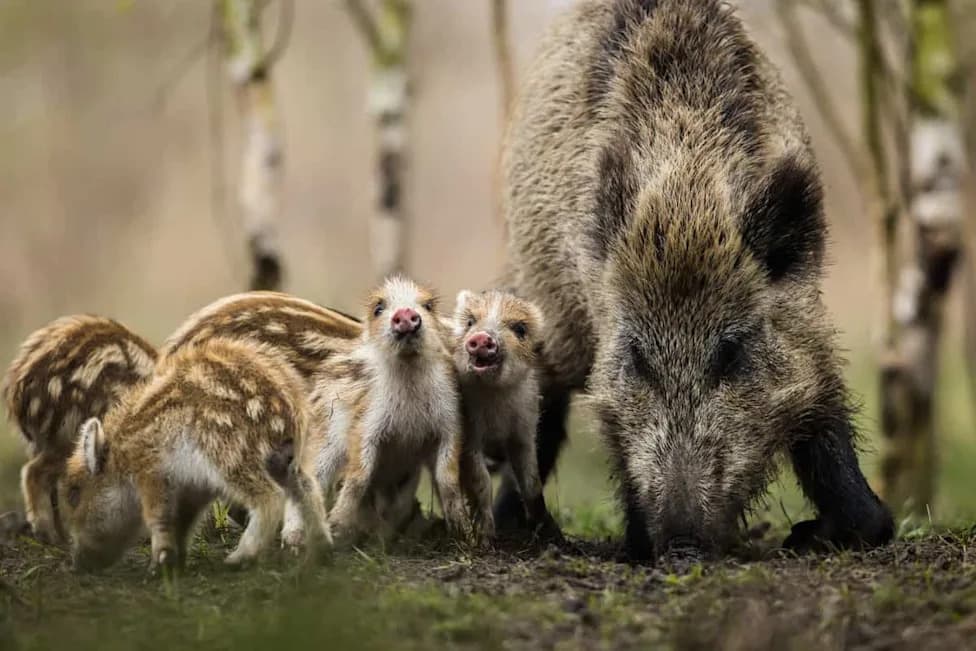
Feral Hogs© iStock.com/DamianKuzdak
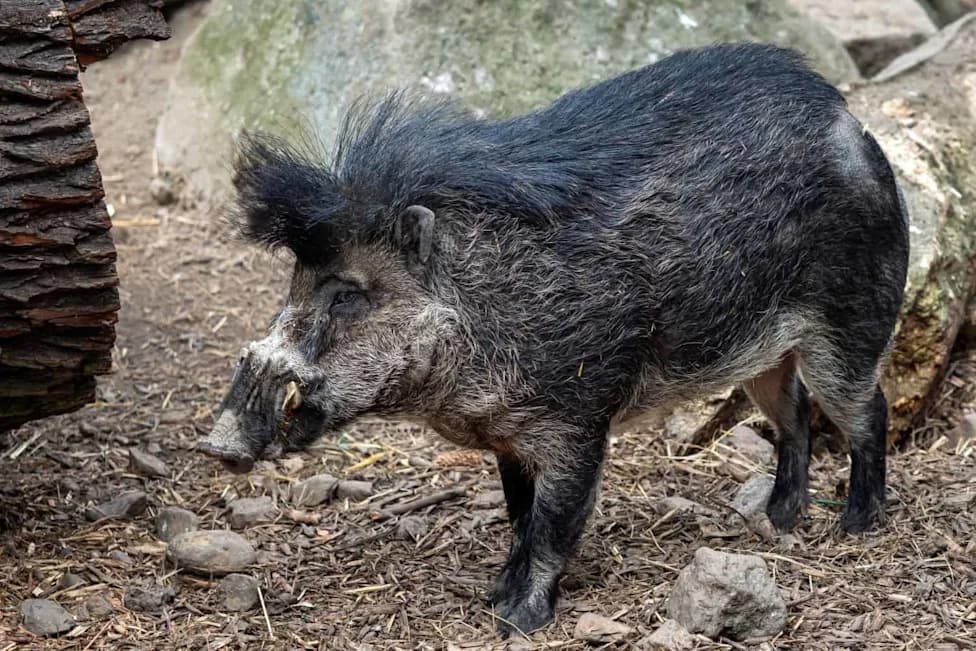
Feral swine — variously called wild boar, wild pigs or feral hogs — now number an estimated six million or more across more than 35 U.S. states. Their remarkable adaptability, a near lack of natural predators and human-assisted movement have fueled a steady expansion that damages agriculture, ecosystems and property.
How They Spread and Why They're Hard To Control
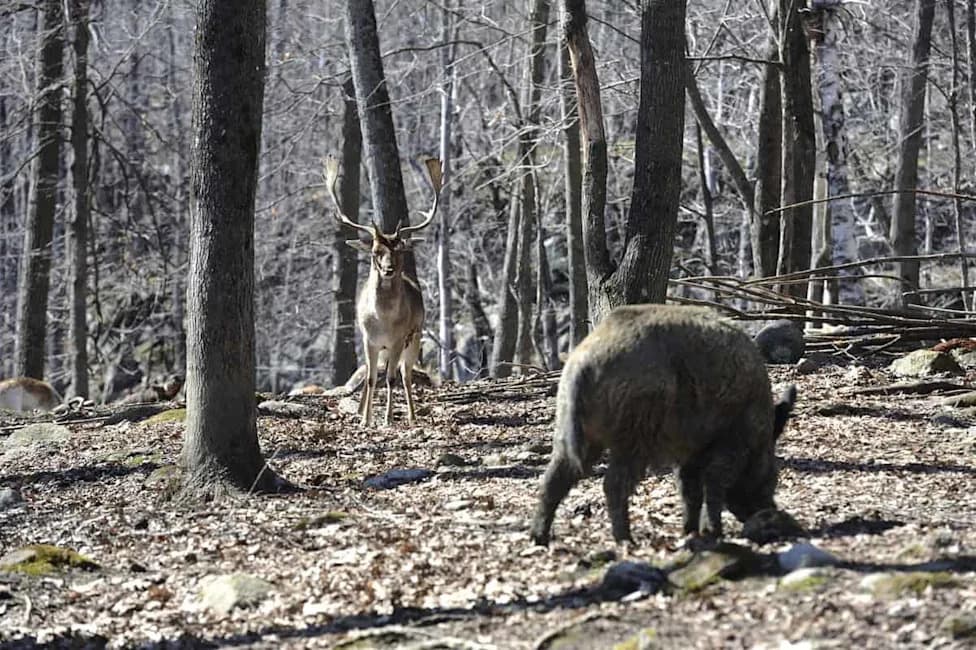
These animals typically move in family groups called sounders, which makes removal difficult. Wildlife managers say that eliminating single animals seldom works; effective suppression generally requires removing entire sounders and then following up aggressively to prevent quick population rebounds. Their rapid reproduction surprises even experienced land stewards.
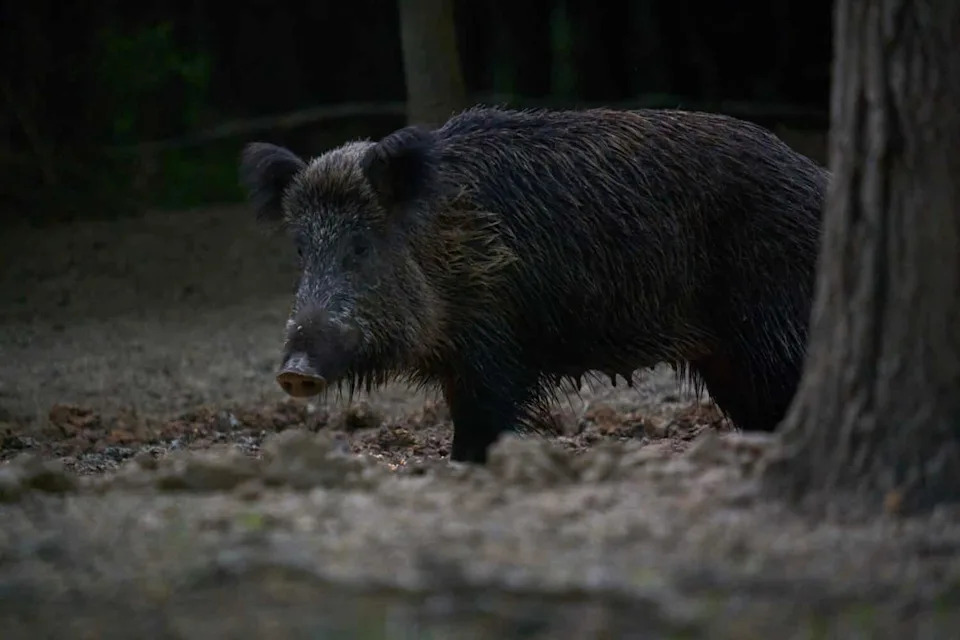
©Slatan/Shutterstock.com
Economic And Ecological Impacts
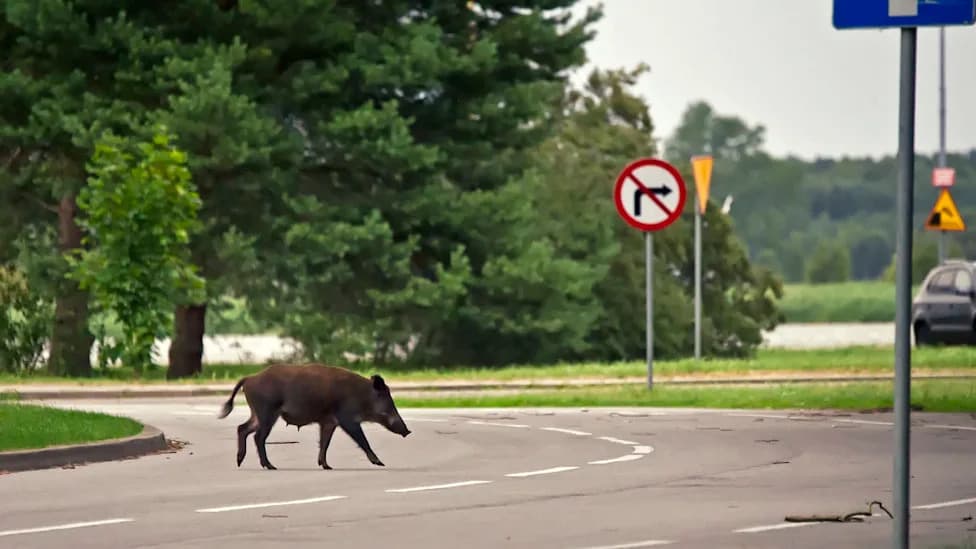
Federal, state and local officials rank feral swine among the most costly invasive species in the nation. Farmers and ranchers report uprooted fields, damaged pastures, harmed forests and soil disturbance from rooting and wallowing that undermines cropland productivity and riparian habitat.
Disease Risk: African Swine Fever
Beyond property damage, feral swine pose a serious animal-health risk. They can carry foreign animal diseases, most notably African Swine Fever (ASF), a highly contagious viral disease for which there is currently no widely available treatment or vaccine. To date, ASF has not been detected in domestic or wild pigs in the United States, but the potential consequences of an outbreak would be severe for both commercial pork production and small-scale producers.

©Piyaset/Shutterstock.com
Surveillance And Public Action
Rapid reporting and response networks are a critical first line of defense. Officials urge the public to report any dead or sick swine — especially animals without visible injuries — to USDA-APHIS Wildlife Services or the appropriate state wildlife or animal-health agency so samples can be collected and tested quickly. Early detection is often the most important barrier to preventing a local case from becoming a broader outbreak.
Climate And Management Challenges
Researchers, including teams at Portland State University, say climate trends can influence boar survival and spread. Warmer winters and increased food availability in some regions can boost population growth, and extreme weather may reshape ranges in ways that favor continued spread. Experts warn that delays in control efforts make infestations harder and more expensive to manage.
Coordinated Response
The problem has united federal and state agencies, tribal governments, universities and private citizens. In 2014, Congress funded the National Feral Swine Damage Management Program administered through APHIS to coordinate surveillance, control and outreach. Public education campaigns and tools — including outreach efforts like 'Squeal on Pigs!' — encourage community reporting and involvement.
Bottom line: Swift, science-driven control, broad collaboration and vigilant public reporting are essential to limit economic losses, protect animal health and reduce the risk of disease spread.
Help us improve.