Wildlife officials in at least 15 US states report rising human–bear encounters this year, driven by scarce natural foods after unusual weather and decades-long rebounds in bear populations. States including Colorado, Florida and Connecticut have logged sharp increases in sightings, property entries and, in some cases, attacks. Experts urge practical precautions—securing food and garbage, carrying bear spray and following BearWise guidance—to reduce risks and prevent bears from becoming food-conditioned and ultimately euthanized.
Grizzly Reality: Why Human–Bear Encounters Are Rising Across the US
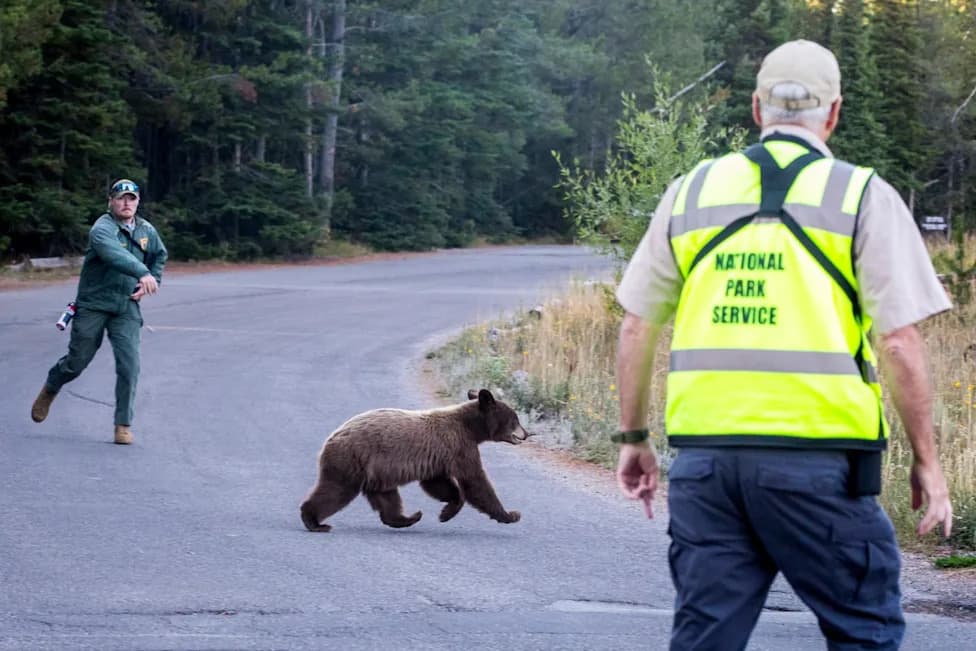
A bear management ranger, left, throws a rock as a volunteer shouts at a black bear yearling to direct it back into a less populated area near Colter Bay in Grand Teton national park in Wyoming, on 9 September 2024.Photograph: Amber Baeslar for The Washington Post via Getty Images
Dan Thompson, supervisor of the large carnivore section at the Wyoming Game and Fish Department, says he enjoys the fieldwork studying mountain lions, wolves, black bears and grizzlies. "I've always been fascinated by carnivores and their ecological role," Thompson said. "I consider myself lucky to be paid to do this work."
But Thompson — like many wildlife officers — also handles difficult duties: responding to attacks and human injuries, sometimes euthanizing animals, and facing public criticism. He expects that this year the number of bears his team and other state officials must kill will be among the highest on record.
More Encounters, Multiple Causes
At least 15 states have reported noticeable increases in human–bear encounters this year, creating a broader national picture of more frequent and, in some places, more intense interactions between people and bears, according to reporting by the Washington Post.
Wildlife experts point to two main drivers behind the trend. First, unusually warm winters and severe drought across parts of the western US have sharply reduced natural food sources—berries, acorns and other vegetation bears rely on to rebuild fat after hibernation. Second, many bear populations have rebounded over recent decades after heavy persecution and widespread habitat loss in the 19th and 20th centuries, benefiting from legal protections and more sustainable forest management.
State-Level Impacts
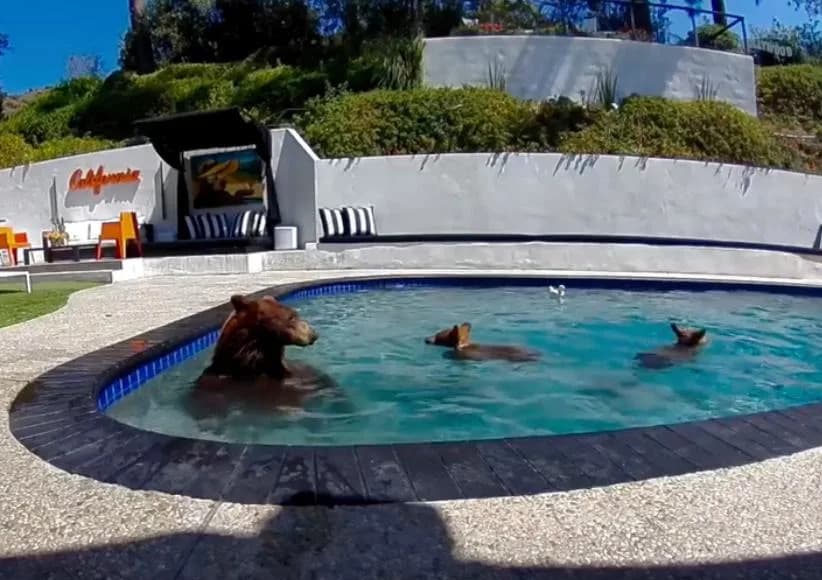
Officials from multiple states report dramatic increases in sightings, property entries and, in some areas, attacks:
- Colorado: More than 8,600 reports of bear sightings and incidents this year—more than double last year's total. Colorado Parks and Wildlife has euthanized 294 bears this year, roughly three times the 2025 total, and confirmed 10 bear attacks—the highest number on record. Incidents included a black bear biting a woman through her tent and a late-night condo entry that left an occupant scratched.
- Florida: The Fish and Wildlife Conservation Commission averaged about 2,500 bear complaints per year from 2006–2010; that average increased to more than 6,400 from 2021–2025. By 2025 the black bear population had recovered enough that the state reopened hunting after a decade-long pause.
- Connecticut: Reports of bears entering homes rose from fewer than 25 annually (2014–2020) to at least 60 reports in 2022, 2024 and 2026.
- New Mexico: Also saw more encounters this year, including a tragic August fatality when a bear killed a 67-year-old wildland firefighter inside his home.
Why Bears Move Into Developed Areas
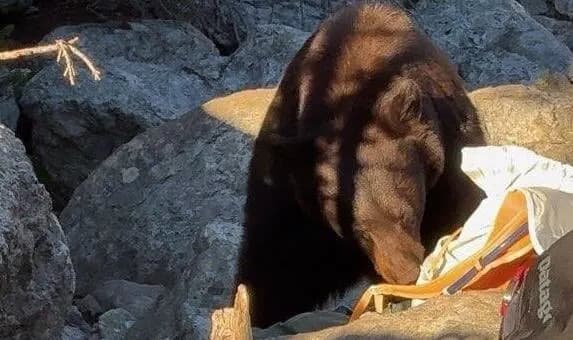
Depleted natural food sources push some bears to seek easier calories in developed areas—raiding garbage, investigating campsites or approaching residences. "Bears' lives revolve around recovering from hibernation and building up fat for the next one. When their natural foods aren't available, they look for alternatives," said Nate Bowersock of the Missouri Department of Conservation.
"None of us got into this job to kill the animals we love," Thompson said, warning that bears conditioned to human food often must be euthanized.
How People Can Reduce Risk—and Protect Bears
Attacks remain uncommon, and many dangerous outcomes are preventable. Experts and BearWise recommend straightforward steps that protect both people and bears:
- Do not leave pet or human food outside.
- Secure garbage in bear-resistant containers.
- Never feed bears or leave food where bears can access it.
- When recreating in bear country, carry bear spray and store food and toiletries in bear-resistant containers—not in tents.
- If a bear approaches, stand your ground, wave your arms and loudly say "hey bear" until it leaves, per BearWise guidance.
These precautions reduce the likelihood bears learn to associate people with food—a process wildlife managers call human-food conditioning. "Once bears have obtained food rewards that they associate with people, we call that human-food conditioning. Once they are at that level, we are going to have to put that bear down," Thompson said.
Outlook
While this year's spike has raised alarm, some managers view it as a short-term anomaly driven by weather extremes rather than a permanent shift. "Things ebb and flow over years and decades," Thompson said. "The high level of animals removed in conflict takes those out of the equation, right? For all those reasons, I would not expect this to be the norm."
Still, wildlife professionals warn that climate change may increase the frequency of conditions—warmer winters and severe drought—that push bears into human areas, underscoring the ongoing importance of prevention and public education.
Help us improve.