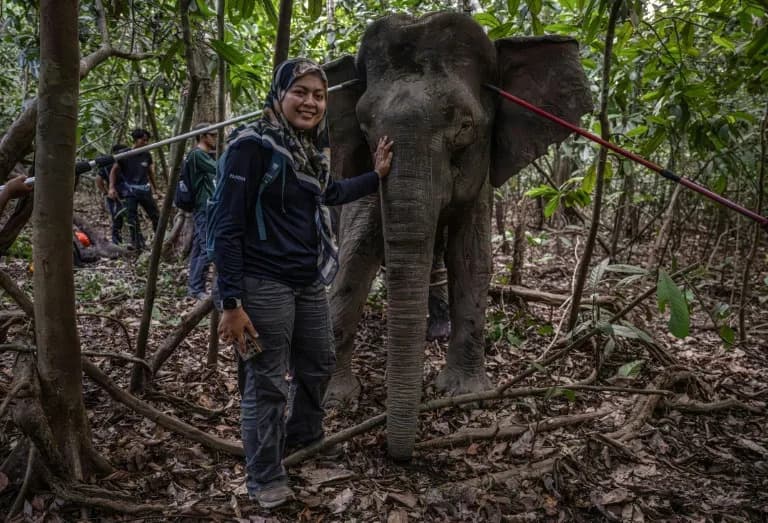
African swine fever (ASF)—a nearly 100% fatal virus with no current vaccine—is decimating Asia’s 12 endemic wild pig species. A recent study links ASF to steep declines and warns that five species are already critically endangered while six lack current assessments. Researchers propose an eight-step roadmap—ranging from updated IUCN assessments and stronger habitat protections to vaccine development and an emergency fund—to prevent extinctions and protect ecosystems and local food security. Rapid, coordinated action is essential to avert irreversible biodiversity loss.
Race to Save Asia’s Wild Pigs: African Swine Fever Threatens 12 Endemic Species
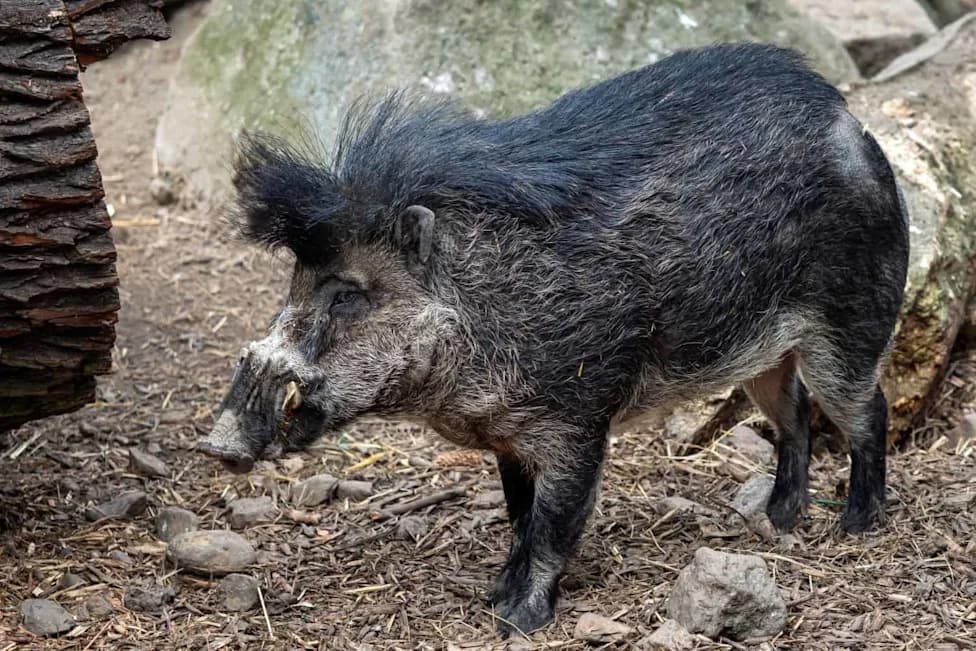
Rare visayan warty pig, Sus cebifrons negrinus© Lubos Chlubny/Shutterstock.com
Asia is home to nearly 60% of the world’s pigs, but its 12 endemic wild pig species are now under acute threat from African swine fever (ASF). The viral disease—almost always fatal in naive populations and without an available vaccine—has already driven steep declines in several species and risks pushing multiple endemic pigs toward extinction.
What’s driving the crisis?
A recent study in Nature Reviews Biodiversity identifies ASF as a leading cause of recent wild pig mortality across Asia and a major contributor to biodiversity loss. Of the 12 native species, five are currently listed as critically endangered and one as endangered; the remaining six lack recent population assessments but are believed to be in decline based on trends observed in species such as the Javan warty pig, Sunda warty pig, Visayan warty pig and Bornean warty pig. Economic losses to the pork industry in the region are estimated at roughly $130–$190 million, while ecological and social impacts run far deeper.
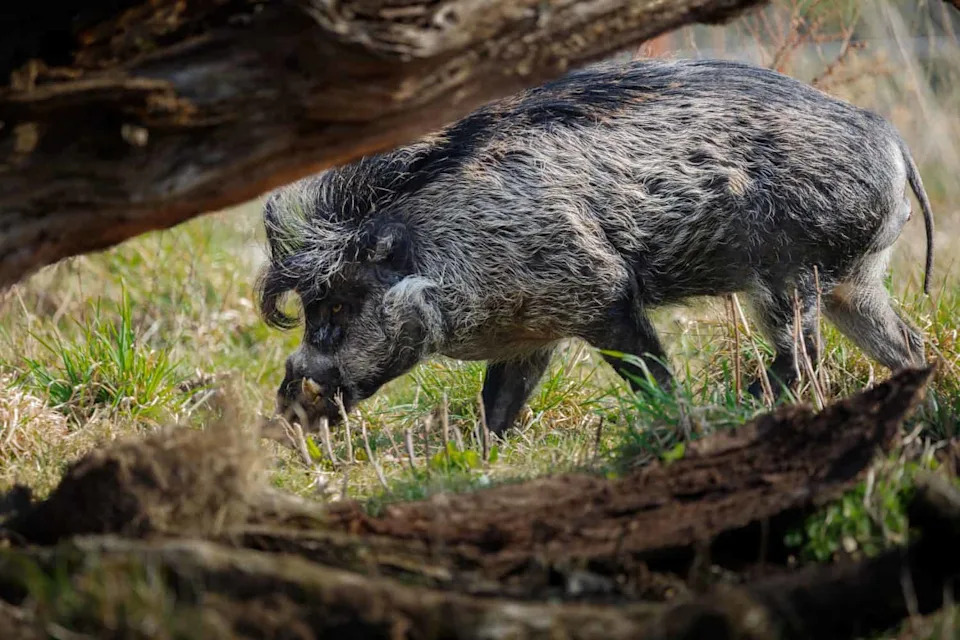
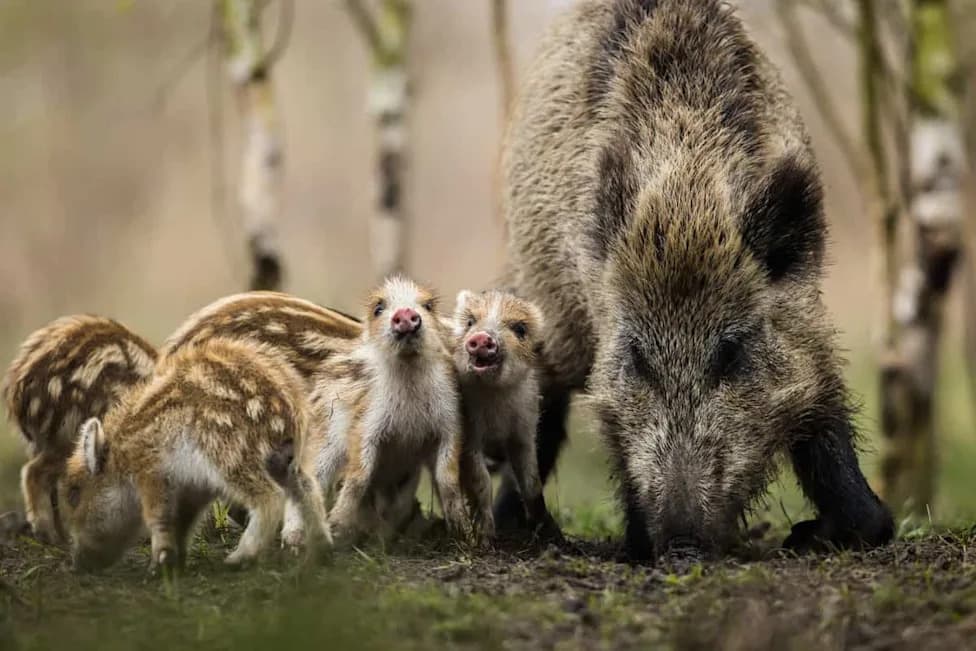
Wild pigs in Asia have been dying in large numbers, decreasing biodiversity due to ASF.©Mark Spokes/Shutterstock.com
"Asian wild pigs are disappearing at a pace few people realize. I can't think of another threat that has pushed an entire group of mammals toward extinction this quickly," said Dr. Matthew Linkie, WCS Technical Director. "Protecting these species isn't simply about preventing extinctions—it's about safeguarding the ecological processes that sustain forests, wildlife, and the communities that depend on them."
History and Spread of ASF
ASF was first identified in Kenya in 1921 and remained largely confined to Africa for decades. It reached Europe in the 1950s and did not appear in Asia until 2018, when China reported the first cases. By 2023, 19 Asian countries and territories had reported ASF outbreaks, highlighting the virus’s adaptability and the difficulty of containment without effective vaccines or coordinated surveillance.
Eight-Step Conservation Roadmap
The study’s authors propose an eight-step plan to slow ASF spread, protect virus-free populations and reduce the risk of extinctions. Key actions include:
Action 1 — Update Conservation Assessments: Revise IUCN Red List and Green List entries for all 12 species to reflect up-to-date threats, population trends and conservation priorities.
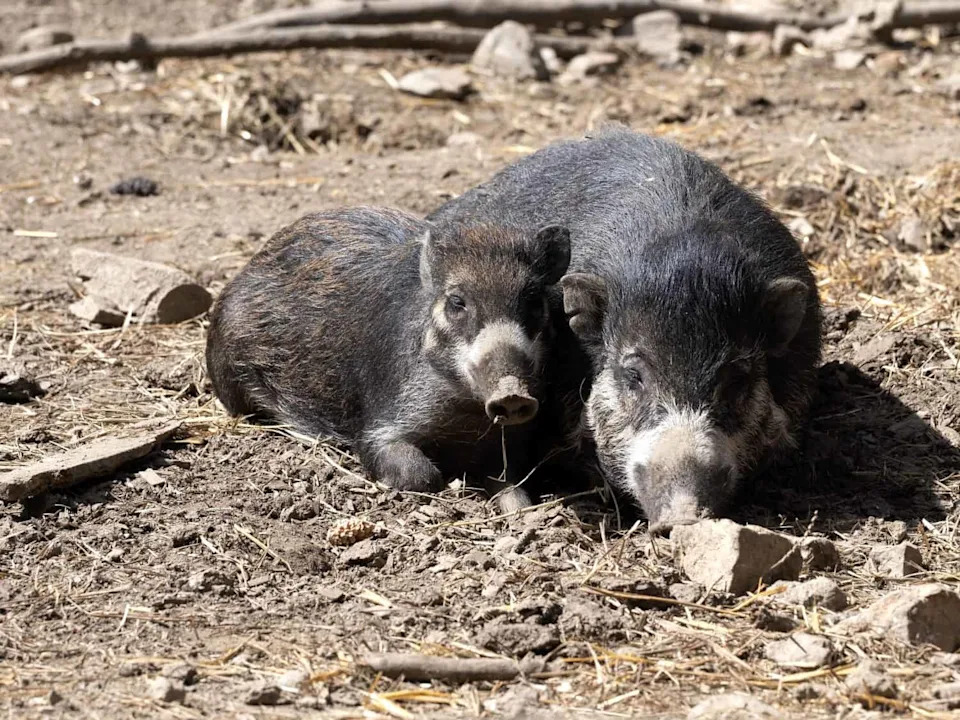
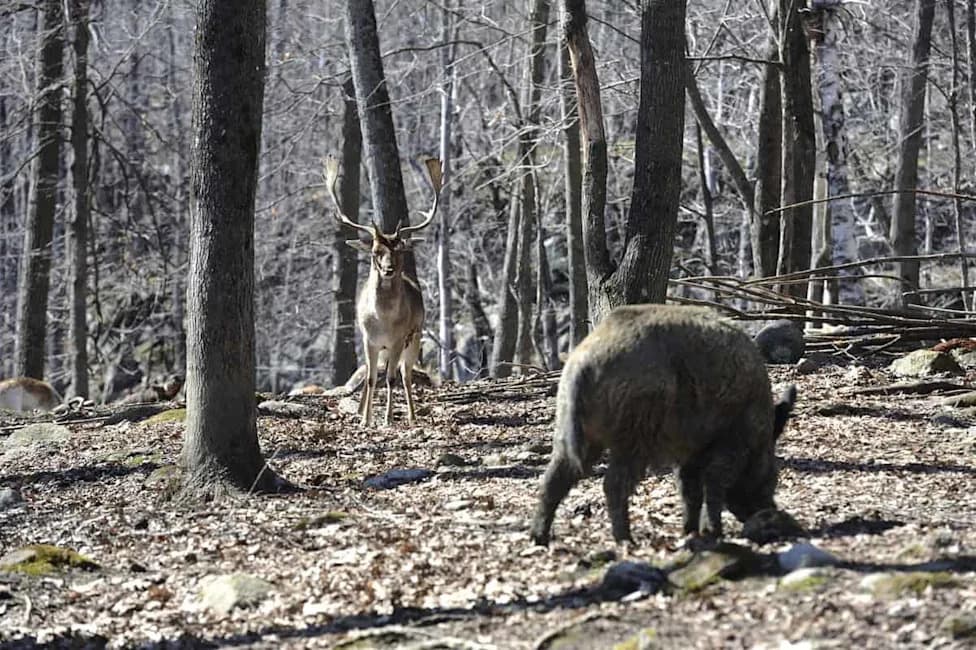
Researchers have developed an 8-step plan to tackle ASF head-on, in an attempt to keep wild pigs in Asia from going extinct.©Vladislav T. Jirousek/Shutterstock.com
Action 2 — Strengthen In-Situ Protections: Implement temporary hunting bans where needed, prevent further habitat loss, and remove infected carcasses to lower transmission risk.
Action 3 — Create Early-Detection Systems: Deploy monitoring and rapid reporting so outbreaks are detected before catastrophic local die-offs occur.
Action 4 — Reduce Wild–Domestic Pig Contact: Improve biosecurity on farms and in communities to limit cross-transmission between wild and domestic pigs.
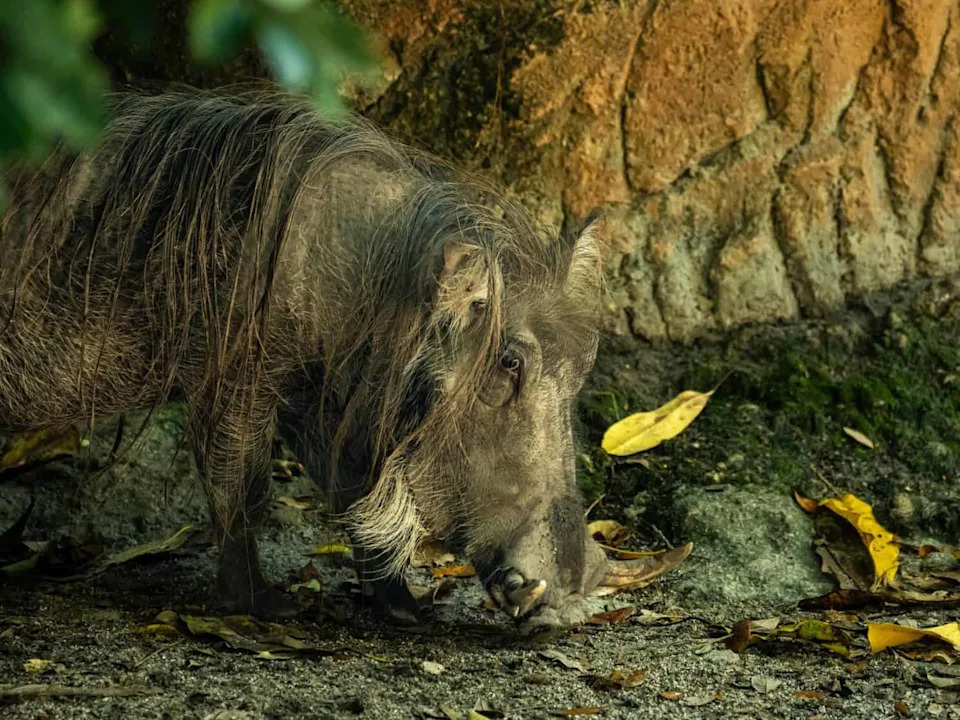
ASF first came to Asia in 2018, when cases were reported in China.©Ancient Aftertone/Shutterstock.com
Action 5 — Accelerate Vaccine Research: Prioritize and fund development of safe, effective ASF vaccines for use in both domestic and, where appropriate, wild pig populations.
Action 6 — Expand Ex-Situ Breeding: Rapidly scale captive-breeding programs for the most threatened species (for example, the Bawean warty pig, Mindoro warty pig and Palawan bearded pig) to create genetic reservoirs.
Action 7 — Reframe ASF As A Biodiversity And Food-Security Crisis: Communicate risks in culturally tailored ways to mobilize communities, policymakers and religious leaders to support conservation and biosecurity measures.
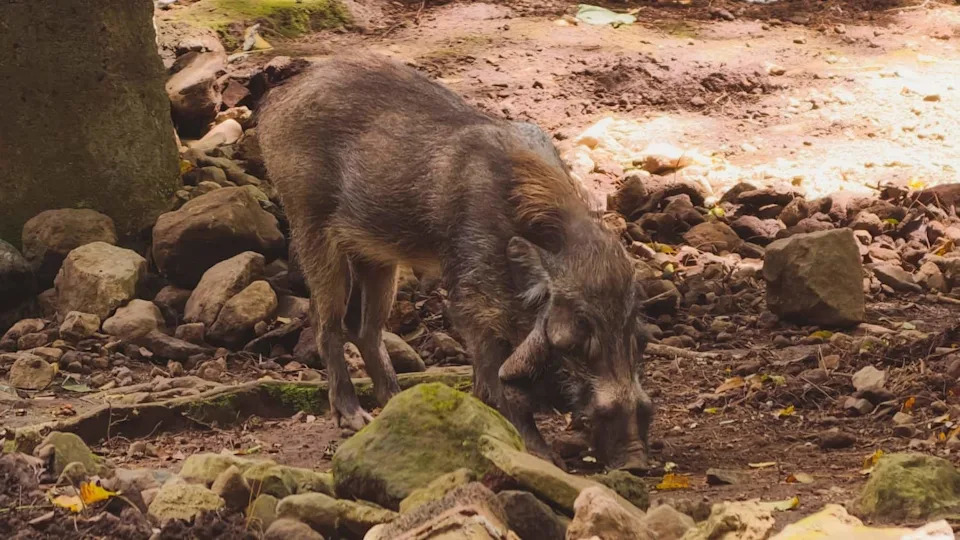
If wild pigs go extinct in Asia, ecosystems, apex predators, and even villages will disappear.©Aiolhoz/Shutterstock.com
Action 8 — Establish An ASF–Wildlife Emergency Fund: Create rapid-response funding to support conservation agencies, veterinary services and research institutions during outbreaks.
Consequences If Nothing Is Done
Loss of Asia’s endemic wild pigs would have cascading impacts:
- Ecosystem Function: Wild pigs are ecosystem engineers that till soil and disperse seeds; their loss would slow forest regeneration and reduce plant diversity.
- Predator Prey Base: Tigers, leopards and other large carnivores rely on wild pigs as a major prey species; their declines could destabilize predator populations.
- Food Security and Livelihoods: In many rural areas, wild pigs are a key source of protein—in parts of Southeast Asia they accounted for more than 80% of wildlife harvested for subsistence—so losses would worsen malnutrition and could push communities toward hunting other threatened species.
- Irreplaceable Biodiversity Loss: Asia’s endemic pig species occur nowhere else; their extinction would be an irreversible global loss.
Conclusion: The window to act is small but real. Coordinated monitoring, stronger habitat protections, accelerated vaccine research, and emergency funding could prevent extinctions and preserve both ecological functions and human livelihoods. Without swift, well-funded action, the prospect that all 12 endemic species will survive the ASF wave is bleak.
Help us improve.