Scientists have detected CWD prions in wild hog tissue, suggesting feral swine could move infectious material even if they never show disease. Nearly 19% of feral hogs have been translocated, yet most jurisdictions do not test hogs for CWD; Saskatchewan is an exception. Regions such as South Texas are major sources of relocated hogs, and some states allow deer and hogs to commingle in fenced facilities. Wildlife agencies are tightening transport rules, and experts urge public engagement and stronger oversight to reduce the risk.
Wild Hogs Found Carrying CWD Prions — Could They Be Spreading Deer Disease?
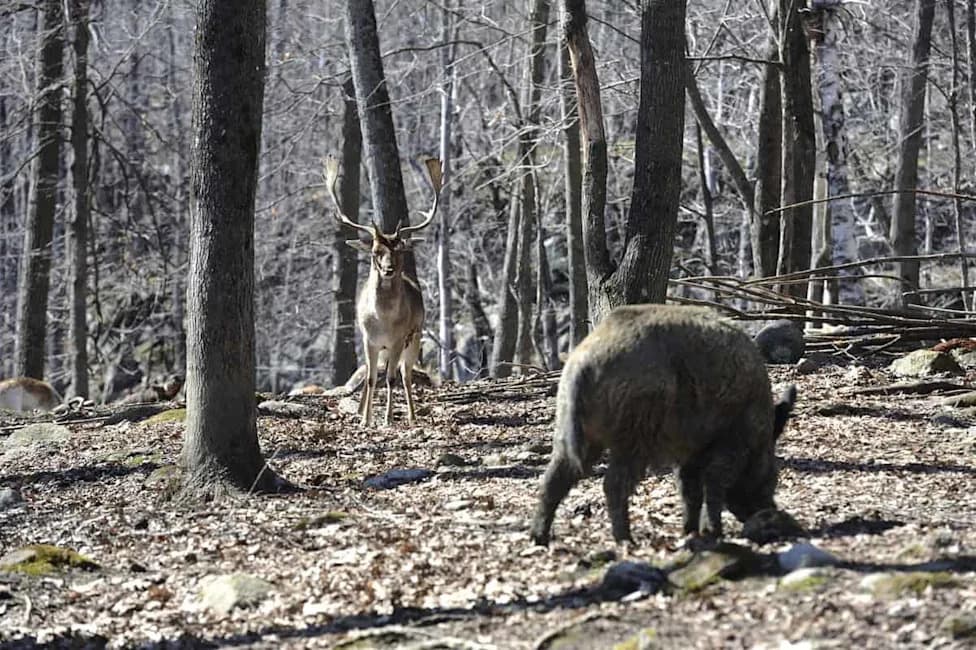
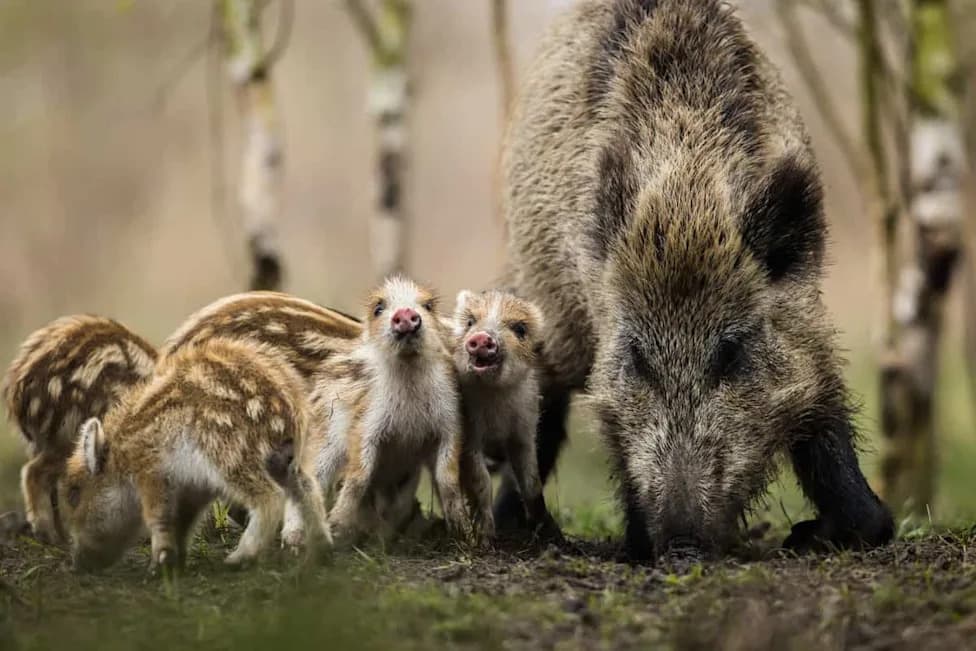
Feral Hogs© iStock.com/ajansen
Emerging research is linking two long-standing wildlife concerns in North America: chronic wasting disease (CWD) in cervids and the rapid spread of invasive feral hogs. Scientists have detected misfolded proteins called prions — the infectious agent behind CWD — in tissues from wild hogs. While pigs have not been shown to develop clinical CWD, the finding raises concern that feral swine could act as an unrecognized pathway for moving infectious material across landscapes and into new host populations.
What The Study Found
Last year, a paper in the journal Emerging Infectious Diseases reported detection of CWD prions in tissue samples from wild hogs. The study emphasized that scavenging swine could pick up prions from infected deer carcasses or contaminated environments and then deposit those prions elsewhere as they forage or are moved by people. The authors warned this could influence the epidemiology, geographic distribution, and interspecies spread of CWD.
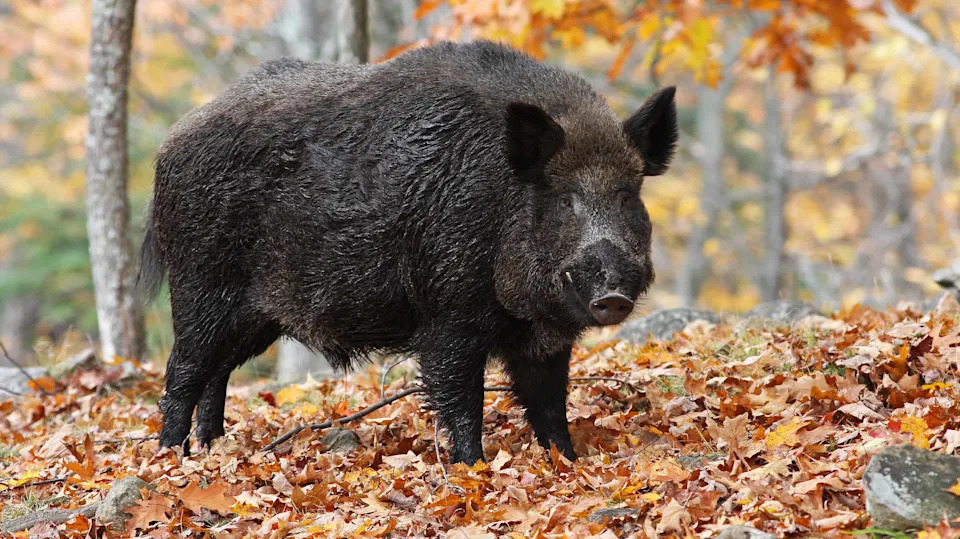
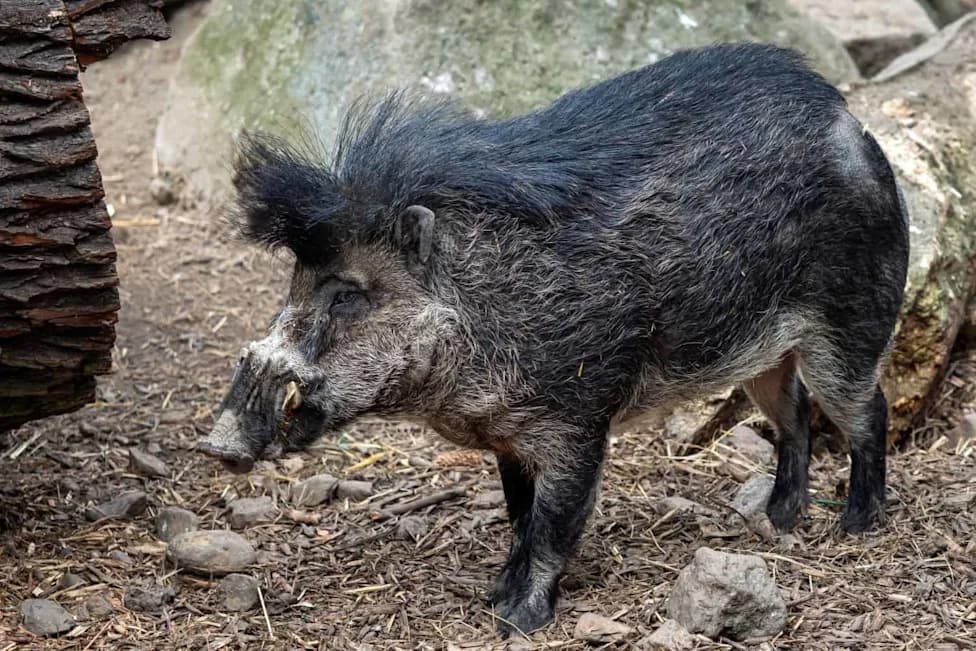
Male feral swine. These omnivorous animals have a strong sense of smell and sharp tusks used for defense.©Mircea Costina/Shutterstock.com
Why This Matters
Feral hogs are omnivorous, have a keen sense of smell for locating carrion, and frequently root and wallow in soils — behaviors that increase the chance of contact with prion-contaminated material. Although there are currently no documented cases of wild pigs developing the fatal neurodegenerative disease that affects deer, elk and other cervids, their ability to carry and shed prions means they could expand the environmental footprint of CWD without showing symptoms themselves.
State Practices, Transport Risks, And Gaps
Management of CWD often depends on strict rules governing animal movement. New findings expose gaps and inconsistencies in how states regulate movements of both cervids and feral swine. The National Deer Association (NDA) found that nearly 19% of wild hogs in the United States had been translocated at some point — sometimes legally, sometimes illicitly — and that few jurisdictions test transported hogs for CWD exposure. Saskatchewan is the only jurisdiction noted for conducting systematic CWD testing of hogs so far.
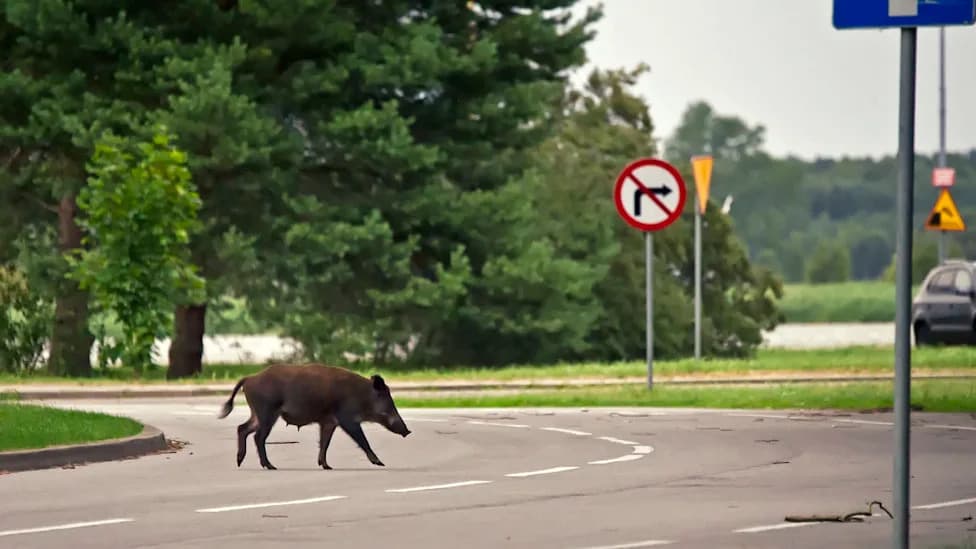
©Chase D'animulls/Shutterstock.com
"We would like to discourage states from allowing commingling behind fences with cervids and wild pigs," said Ben Westfall, senior conservation coordinator for the NDA, underscoring concerns about facilities where deer and hogs share high-fenced enclosures.
Some states, including Texas and Oklahoma, permit deer and hogs to share enclosed spaces, and researchers identified South Texas as a major exporter of wild hogs — animals from that region were found in 26 of 38 states surveyed. Because transport and commingling can move animals (and potentially prions) to new areas, these practices complicate containment efforts.
Actions Underway
Wildlife agencies in several states are tightening import and transport rules for feral hogs. Programs such as Missouri’s Feral Hog Elimination Partnership offer regional models for coordinated removal and management. Many states now prohibit or restrict the importation and movement of live wild hogs to slow their spread.
What Hunters And Residents Can Do
Experts urge the public to stay informed and engaged with state wildlife agencies. Recommended actions include learning local rules for reporting and handling feral hogs, avoiding movement of live hogs between regions, and supporting state efforts to monitor and reduce feral swine populations. Increased public awareness and consistent policies on animal transport and testing will strengthen defenses against possible expansion of CWD.
The detection of CWD prions in wild hogs highlights how diseases can travel unpredictably through ecosystems, sometimes via species that do not show clinical signs. Addressing this risk will require coordinated policy, improved monitoring, careful management of animal movements, and sustained public engagement to prevent small gaps in oversight from enabling large ecological impacts.
Help us improve.