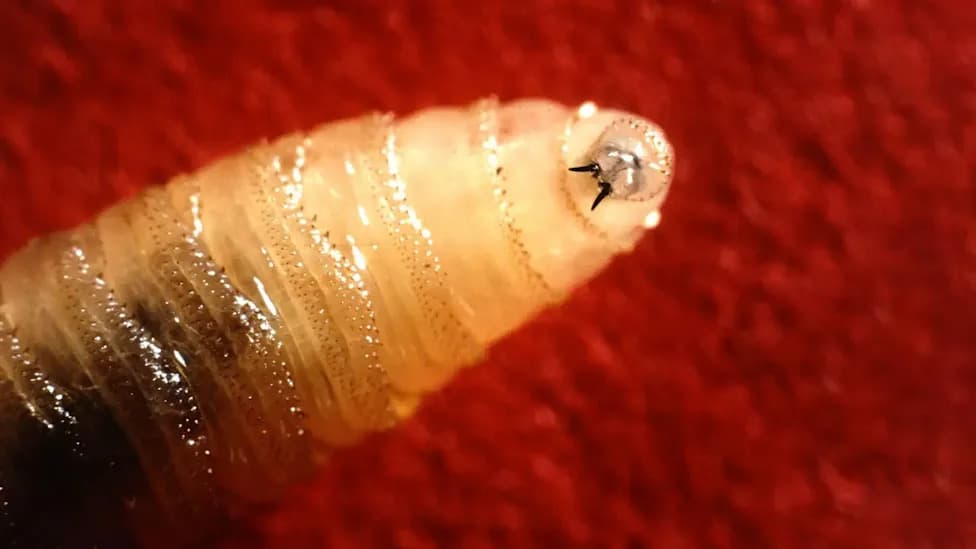
The New World screwworm, a flesh-eating fly eradicated from U.S. pastures in the 1960s, was confirmed in Texas on June 3 in a three-week-old calf near La Pryor. The parasite was historically controlled by the Sterile Insect Technique (SIT), which nearly eliminated it from the U.S. but required constant vigilance because of reintroduction risks from Mexico and Central America. A 2023 outbreak in Panama and pandemic-era disruptions helped the pest move north; U.S. authorities have tightened border controls and pledged major investments, including a $750 million sterilization facility. Officials are now deploying inspections, quarantines, and enhanced surveillance to contain the new infestation before summer fly activity increases.
New World Screwworm Detected in Texas After 60 Years — Authorities Rush to Contain Outbreak
Parasite© iStock.com/typhoonski
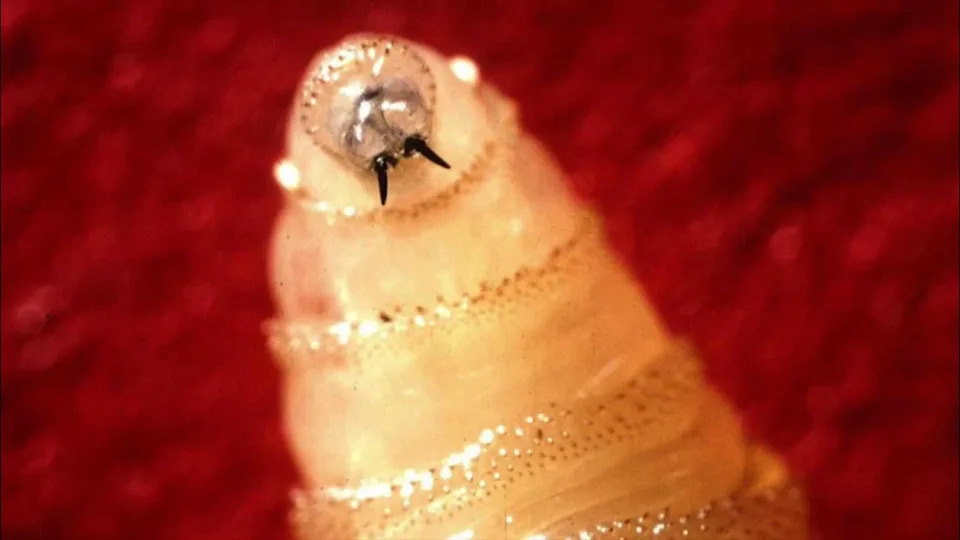
Sixty years after it was driven from U.S. pastures, the New World screwworm (Cochliomyia hominivorax) has been confirmed in Texas, renewing urgent concern among scientists, ranchers, and animal-health officials. The first recent case was reported on June 3 when a three-week-old calf near La Pryor tested positive for the parasite.
Historic Threat and Economic Damage
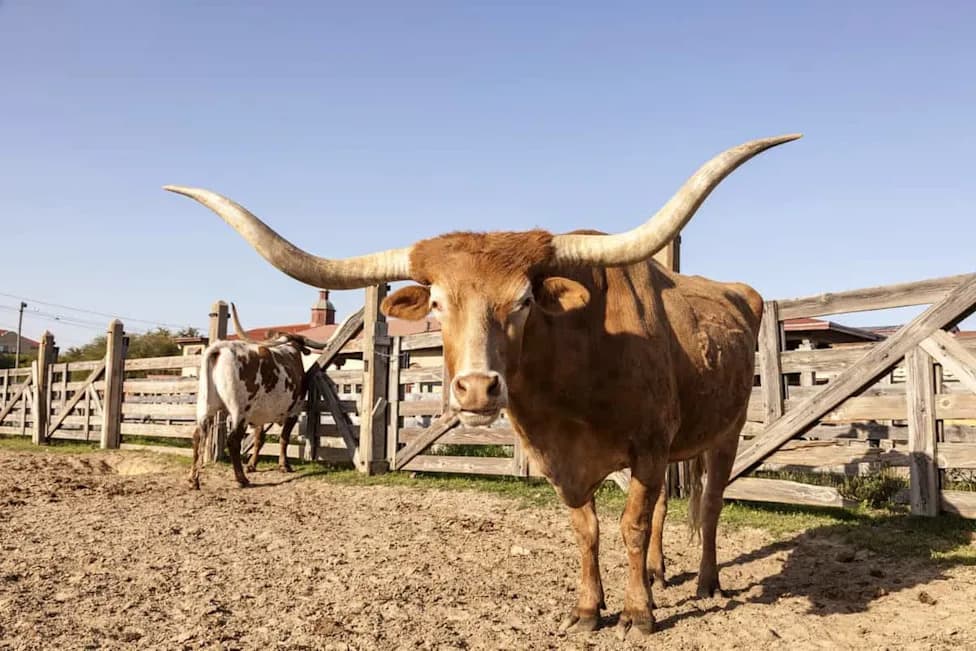
Before eradication efforts began, the screwworm devastated livestock across the southern United States. USDA researchers Ernest Cushing and Fred Patton distinguished the New World screwworm from similar blowflies in the 1930s, when annual livestock losses were estimated at $5–$10 million—an enormous burden at the time. In 1935 the federal government launched the Screwworm Educational Program to help producers cope with the threat.
© –Original
The Breakthrough: Sterile Insect Technique (SIT)
Scientists discovered a crucial weakness: female screwworms mate only once. Edward Knipling proposed releasing large numbers of sterile male flies so that wild females would produce no viable offspring. Raymond Bushland developed mass-rearing methods, and teams used gamma irradiation and later X-rays to sterilize males without reducing their mating competitiveness. The resulting Sterile Insect Technique (SIT) proved effective: a 1954 trial on Curaçao eliminated the pest there in seven weeks, Florida was declared screwworm-free in 1958, and by the early 1960s U.S. infestations had effectively disappeared.
Recurring Challenges
Eradication required continued vigilance. Mexico remained a reservoir for reintroduction and, in 1972, a warm winter and other pest pressures triggered a massive outbreak in Texas with more than 90,000 cases. That crisis led the U.S. and Mexico to create a joint eradication program and expand control efforts southward. Smaller flare-ups continued—most recently a 2016 outbreak in the Florida Keys that was contained after releasing roughly 154 million sterile flies and intensive animal inspections.

Big brown cows from Scotland©Parasoliastock/iStock via Getty Images
How It Returned
In 2023 a large outbreak in Panama breached containment lines and the pest moved north through Central America, reaching Mexico by late 2024. Contributing factors included COVID-19 disruptions to sterile-fly production, illegal cattle movements, and difficult-to-monitor terrain between Panama and Mexico. After detections in Chiapas, Mexico, U.S. officials suspended live-cattle imports from Mexico and tightened cross-border controls; those restrictions have remained in effect since July 2025 due to persistent detections.
Current Response in Texas
Following the June 3 confirmation near La Pryor, the Texas Animal Health Commission (TAHC) and the USDA activated emergency measures: targeted inspections, property quarantines, wound treatment guidance for producers, and intensified surveillance using visual checks and fly trapping. Officials note that while adult screwworm flies can disperse on their own, the most efficient way the pest spreads is via movement of infested animals between properties.
“Every model showed the New World screwworm would reach Texas by early last summer, so we used the extra time to prepare,” said Rollins of the Knipling-Bushland U.S. Livestock Insects Research Laboratory at a recent briefing with Texas leadership.
The USDA has pledged major resources to prevent reestablishment, including up to $100 million for technological upgrades and a proposed $750 million fly-sterilization facility in South Texas. The goal is to contain the current infestation quickly, bolster sterile-fly production capacity, and coordinate responses across federal, state, and international partners.
Outlook
History shows the screwworm can be beaten, but only through rapid action, sustained funding, and cross-border cooperation. Officials emphasize the situation is a test of modern emergency response systems and urge ranchers to maintain strict inspection, reporting, and biosecurity practices to protect herds and livelihoods.
Help us improve.