Wild boars are increasingly moving from forests into Czech cities, attracted by food waste and relative safety from hunting. Experts link the trend to unsecured compost, overgrown green spaces and hunting pressure on city edges. Municipalities are using nonlethal measures such as trapping and scent-treated fences, while residents are advised to secure trash, keep dogs leashed and avoid approaching boars. Similar urban-wildlife tensions are playing out globally.
Wild Boars Move Into Czech Cities — Drawn By Food, Safety and Shelter From Hunters
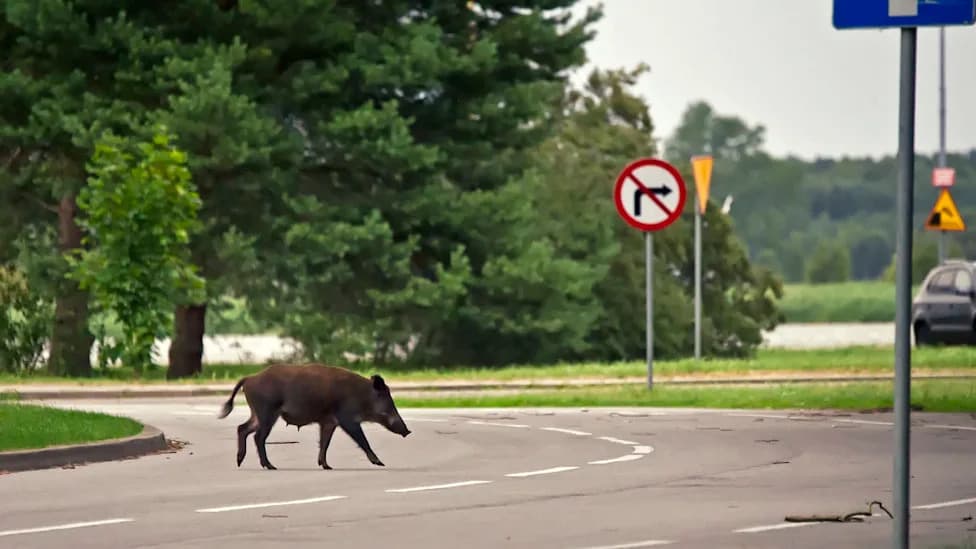
Photo Credit: iStock
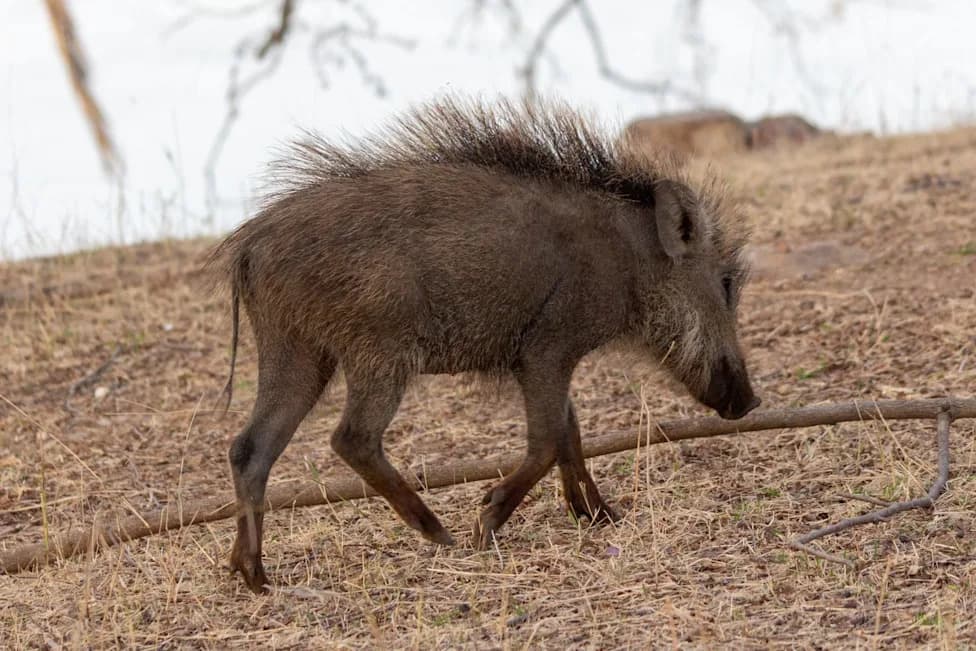
Wild boars that once lingered mainly on city outskirts in parts of the Czech Republic are increasingly appearing inside urban areas, including parks, private gardens and residential neighbourhoods. The animals are attracted not only by readily available food but also by the relative safety cities provide from hunting pressure on the urban fringe.
Why Boars Are Coming Into Town
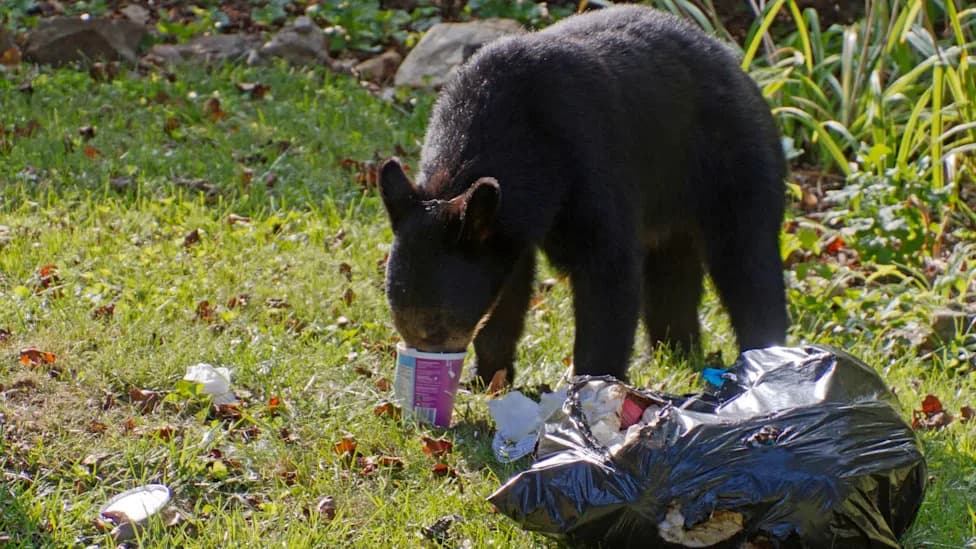
Experts say this shift is largely human-made: unsecured compost, overflowing bins and unmanaged green spaces supply easy meals, while heavier hunting around city edges can push boars toward places where they are less likely to be pursued.
Miloš Ježek, Faculty of Forestry and Wood Sciences at Prague's Czech University of Life Sciences, explains: "One factor is the relatively easy access to food they can find in cities... At the same time, they feel relatively safe in urban environments because wild boars are generally not hunted there."
Encounters, Risks and Typical Behavior
Most wild boars avoid people and flee when detected. Problems usually arise when animals feel trapped, when a sow is defending piglets, or when an unleashed dog approaches. Such defensive charges are uncommon but can be dangerous.
A documented case involved a sow with piglets entering a bio-waste container — an example of how urban waste and overgrown sites can create direct contact between boars and residents. Consequences range from unnerving sightings and damaged gardens to torn-up public green spaces.
Municipal Responses
Because culling is difficult inside populated areas, municipalities are employing nonlethal methods: trapping and relocation, scent-treated barrier fences, and targeted habitat management. Authorities say repellents used on scent fences are considered safe for people, including children, but typically need reapplication about every three months.
Practical Steps for Residents
- Secure compost and trash to remove easy food sources.
- Keep dogs leashed and avoid approaching or cornering wild boars.
- If you encounter a boar, give it space and an obvious escape route.
- Report repeated sightings to local authorities so municipalities can respond appropriately.
- Manage overgrown vegetation where possible to reduce daytime shelter for boars.
Part Of A Wider Urban-Wildlife Trend
This phenomenon is not unique to the Czech Republic. Similar tensions are appearing worldwide — from wild boars in Singapore to expanding feral swine in the United States and altered predator behaviour near urban parklands elsewhere — underscoring how human-built landscapes can unintentionally become habitat, refuge and conflict zones all at once.
Bottom line: Simple prevention—securing waste, keeping dogs leashed and avoiding interaction—reduces encounters. Municipal planning and humane deterrents can help manage the problem without resorting to lethal measures in populated areas.
Help us improve.