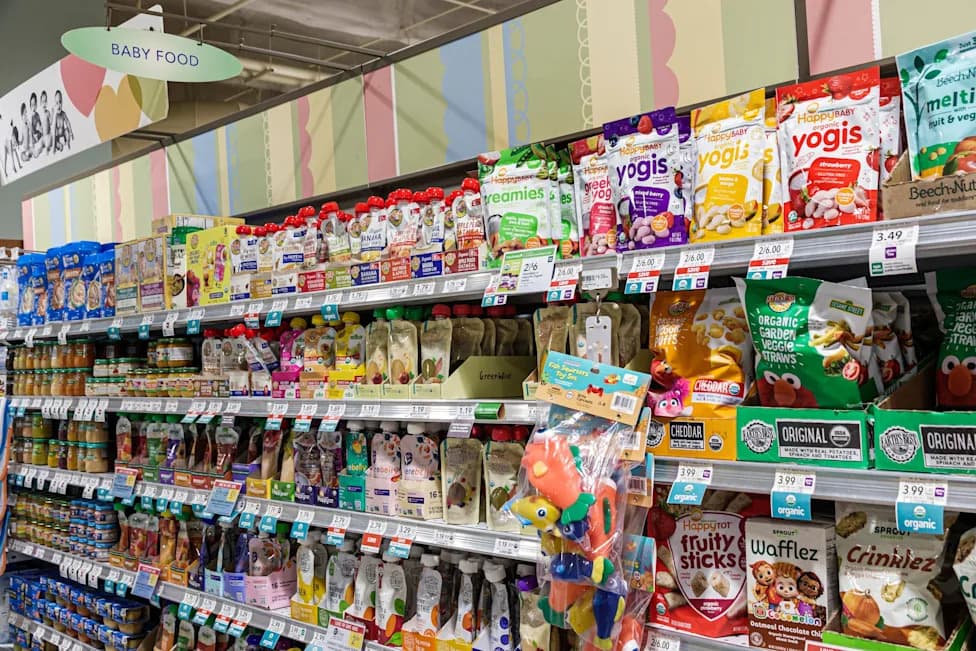
The NUTRITION 2026 audit of 2,783 toddler-focused packaged foods across 21 Austin grocery stores found 81% were classified as ultra-processed and 49% failed at least one WHO nutrient benchmark. Sodium, added sugars, fat and energy density were the most common areas of noncompliance. The study highlights a policy gap because the FDA's proposed front-of-pack label currently excludes foods marketed to children under four, prompting calls for clearer on-package guidance and possible reformulation.
Study: Most Toddler Foods Are Ultra-Processed — Nearly Half Fail WHO Nutrition Benchmarks

As SNAP Payments Stall Amid the Shutdown, Here’s Where Americans Can Still Find Free Food
Research presented at the NUTRITION 2026 conference highlights concerns about the nutritional quality of packaged toddler foods. An audit of products sold in Austin, Texas, found that a large share of items marketed to children aged 6–36 months are highly processed and many fail international nutrient benchmarks.
What Researchers Did
The team photographed and evaluated 2,783 packaged products marketed for children 6 to 36 months across 21 grocery stores in Austin. The analysis excluded infant formula, beverages, and standard first-food purees. Processing level was classified using the NOVA system, and nutrient quality was assessed with the World Health Organization's Nutrient and Promotion Profile Model for commercial foods for young children.
Main Findings
Processing: 81% of audited products were classified as ultra-processed under NOVA.
Nutrition benchmarks: 49% of products failed at least one applicable WHO criterion. Failures by category included roughly 25% for sodium, 17% for added sugars, 11% for fat, and 12% for energy density.
Common Problem Examples
- Fruit pouches with high sugar content
- Oat bars that are high in sugar and calories
- Macaroni-and-cheese products with elevated sodium and fat
- Peanut butter puffs that are high in sodium, fat, and energy
“Many parents may assume that products sold on the baby/toddler food aisles have to meet certain nutrient standards,” said Hudson, a lead researcher.
Context, Limitations, and Policy
The authors stress that the two headline figures measure different things: NOVA classifies processing level, while the WHO model evaluates nutrient thresholds; they are related but not interchangeable. The audit is locally focused and the Austin findings await full peer-reviewed publication for detailed methods and statistics.
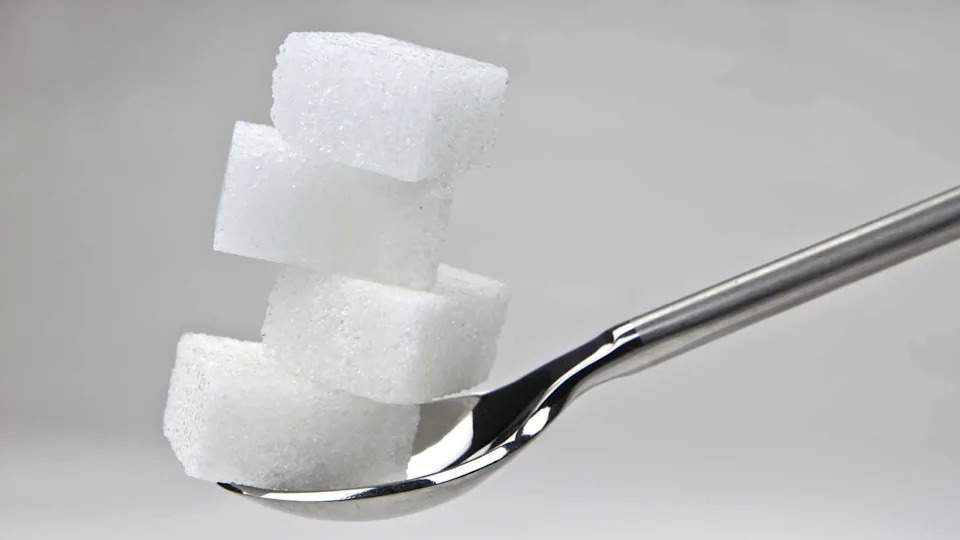
Image Credit: giovannafotos/123rf Photos
The policy context is important. In January 2025 the U.S. Food and Drug Administration proposed a mandatory front-of-pack “Nutrition Info” box for most packaged foods that would rate saturated fat, sodium and added sugars as Low/Med/High. The draft explicitly excludes foods marketed for children under age 4, citing different nutritional needs and the absence of established Daily Values for the youngest age groups. As of October 1, 2026, the rule remains a proposal with a federal agenda target of December 2026 for a final rule.
Industry groups dispute the broad use of the “ultra-processed” label, noting there is no single universally accepted scientific definition and that manufacturers must comply with FDA rules. A separate peer-reviewed 2026 study of 651 infant and toddler products from major U.S. retailers found 71% were ultra-processed and that such products tended to have less favorable nutrient profiles.
Practical Takeaways and Recommendations
For parents: shopping the toddler aisle often requires careful reading of ingredient lists and Nutrition Facts panels — front-of-package claims can be misleading. For policymakers and advocates: the findings spotlight a potential information gap for caregivers of very young children and support calls for clearer front-of-pack guidance or warning labels for products that exceed nutrient thresholds. Manufacturers could also consider reformulation to reduce sodium, added sugars, and excess energy density.
Limitations: The audit is geographically limited to Austin stores and excludes some product categories; final peer-reviewed publication will be necessary to confirm generalizability and provide full statistical detail.
Image credit: giovannafotos/123rf Photos. Source: Research presented at NUTRITION 2026; related peer-reviewed study (2026).
Help us improve.