The Wall Street Journal polled voters on more than 30 cost‑of‑living proposals and found broad, cross‑party support for measures such as capping prescription drug prices, banning surprise medical bills and limiting credit‑card interest to 10%. President Trump’s proposal for $5,000 checks to every adult drew support from fewer than one‑quarter of respondents, while a government grocery‑store idea had only 37% backing. Economic data — including a 3.4% rise in CPI and a 0.3% drop in real average hourly earnings — help explain why affordability is a top voter concern ahead of the midterms.
Wall Street Journal Poll: Broad Bipartisan Support for Cost‑Cutting Populist Policies — Trump’s $5,000 Check Draws Little Backing
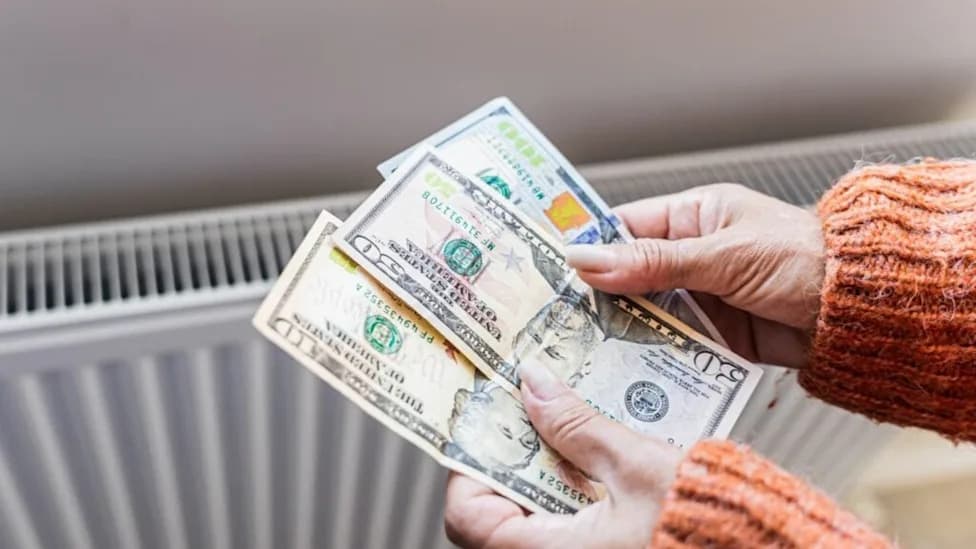
A person in an orange sweater holds US dollar bills in front of a white radiator, representing heating costs. (Credit: Image via Shutterstock)
A Wall Street Journal survey testing more than 30 cost‑of‑living proposals found widespread support across the political spectrum for measures intended to make daily life more affordable. Respondents from both parties showed particularly strong backing for capping prescription drug costs, lowering child care expenses and limiting credit‑card interest rates.
Measures With Bipartisan Appeal
The poll highlighted a set of proposals that attracted broad, cross‑party support: banning surprise medical bills, requiring health insurers to cover doctor‑prescribed services and medications, and capping credit‑card interest rates at 10%. Large majorities also favored robust border security paired with a pathway to citizenship for many undocumented immigrants, and a notable share of Democrats supported photo ID requirements for voting.
How Voters See These Issues
Republican pollster Adam Geller and Democratic pollster John Anzalone, who ran the survey together, said many voters frame these proposals as questions of fairness rather than strictly conservative or progressive priorities. They noted that Americans increasingly view large institutions and unchecked market practices as obstacles to affordability and expect policy responses that address that imbalance.
Low Support For Direct $5,000 Checks
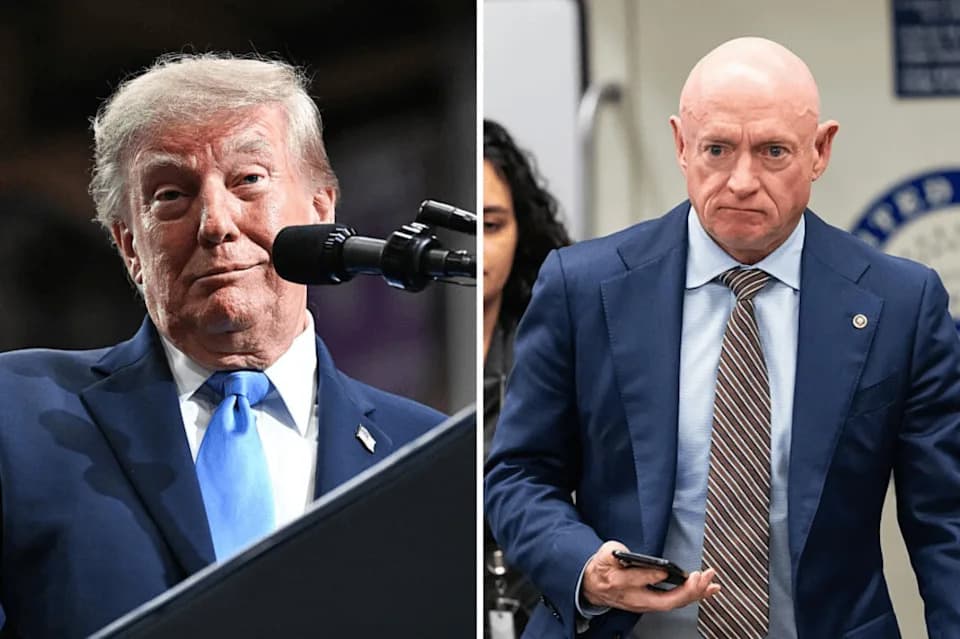
By contrast, President Donald Trump’s plan to send $5,000 checks to every adult if Republicans win control of Congress was the least popular idea tested: fewer than one‑quarter of respondents expressed support. Another proposed measure — government‑run stores selling discounted groceries, championed in the poll by New York Mayor Zohran Mamdani — received just 37% backing.
Economic Context
The growing interest in populist cost‑cutting proposals comes as affordability pressures remain elevated ahead of the midterm elections. Consumer prices rose 3.4% year over year in August, while real average hourly earnings declined by 0.3%. Gasoline prices increased 3.9% and accounted for more than one‑third of the monthly rise in the consumer price index, amplifying cost‑of‑living concerns for many households.
Voices From Capitol Hill
Senate Majority Leader John Thune (R‑S.D.) warned that costs — including steep diesel prices — have become central voter concerns, even as international developments draw attention. Senate Majority Whip John Barrasso (R‑Wyo.) echoed the urgency, saying Republicans "need to do more" to address the financial pressures facing farmers, ranchers and ordinary families.
What This Means Politically
Overall, the Wall Street Journal survey suggests voters across parties are prioritizing targeted, fairness‑framed interventions to reduce everyday expenses. Policies that limit prices or financial charges and protect consumers tend to draw broad approval, while expansive direct‑payment schemes and experimental government retail programs generate weaker support.
Note: The original publication included sponsored investment content and platform promotions unrelated to the survey findings. This summary focuses on the poll results and political context for clarity.
Help us improve.