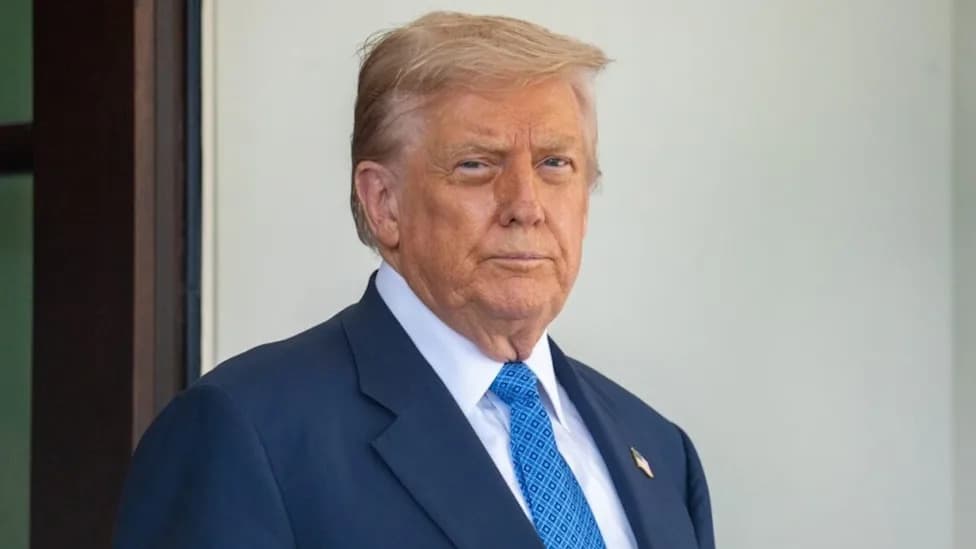
Sen. Mark Kelly slammed President Trump’s conditional promise to send $5,000 to every adult if Republicans retain Congress, calling it a political "payoff" meant to sway voters. Analysts say the plan could cost more than $1 trillion and would need congressional approval; the White House has not outlined a funding plan. Kelly and Democrats favor targeted tax changes and structural policies to reduce costs, while polls show mixed public reaction and skepticism about whether the payments would be delivered.
Mark Kelly: Trump’s $5,000 Pledge Is a Political 'Payoff' — Critics Question Cost and Feasibility
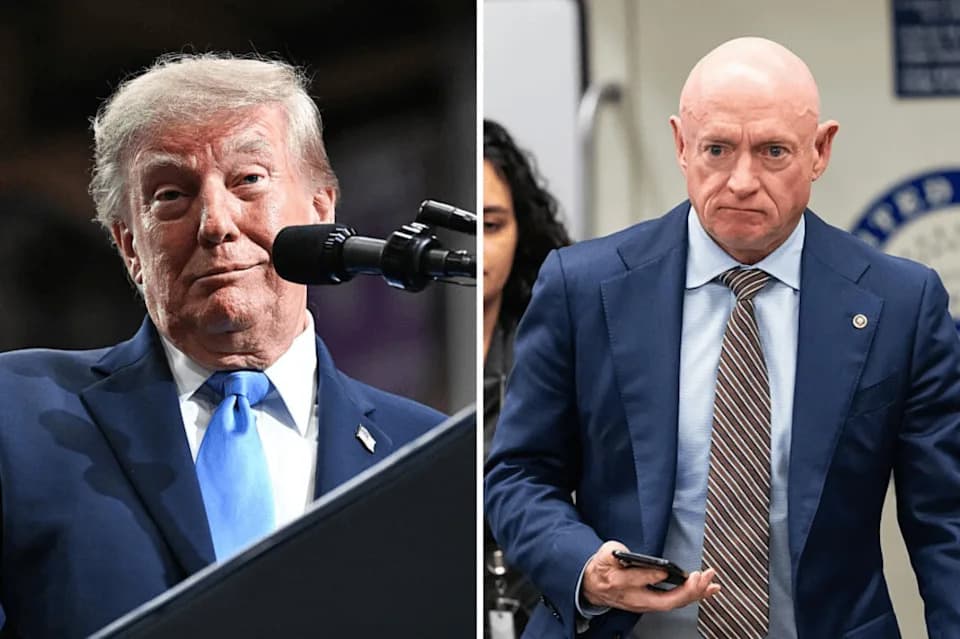
Sen. Mark Kelly accused Trump of offering voters a payoff tied to Republican election wins.
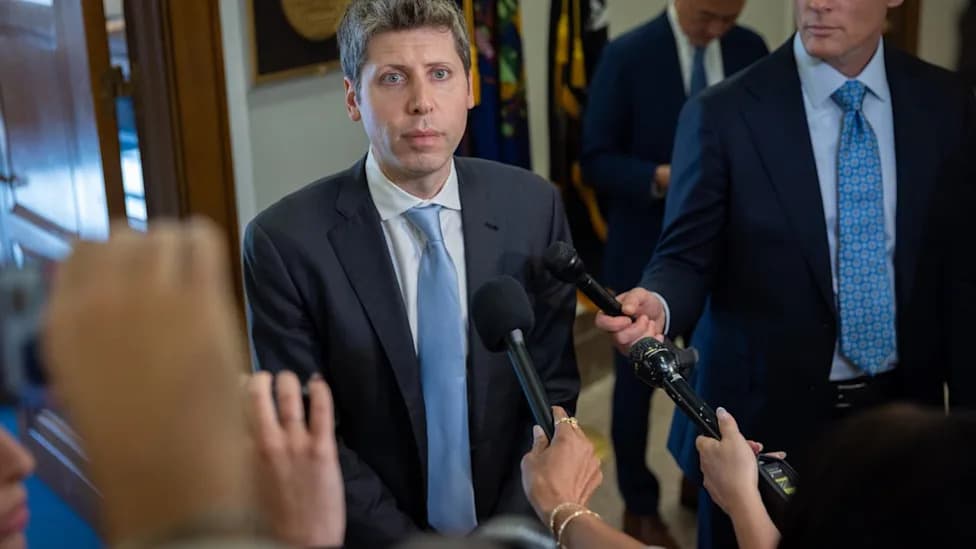
Sen. Mark Kelly (D-Ariz.) on Sunday accused President Donald Trump of trying to "buy votes" with a conditional proposal to send $5,000 to every adult American if Republicans retain control of both chambers of Congress after the 2026 midterms.
Kelly's Criticism
Appearing on CBS News' Face the Nation, Kelly said that while targeted help for seniors and working-class families is important, the timing and political conditions attached to the $5,000 pledge make it suspect. "This is just a payoff, and he's trying to buy votes," Kelly said, adding that the measure looks more like a campaign inducement than a responsible economic plan.
"You got to remember, this is a guy that gave a big tax cut to the wealthiest Americans... He's taking food benefits away from people that are having a hard time affording food, even children, in order to help out his family and his friends. I think people should see this for what it is."
The $5,000 "Trump Dividend" Proposal
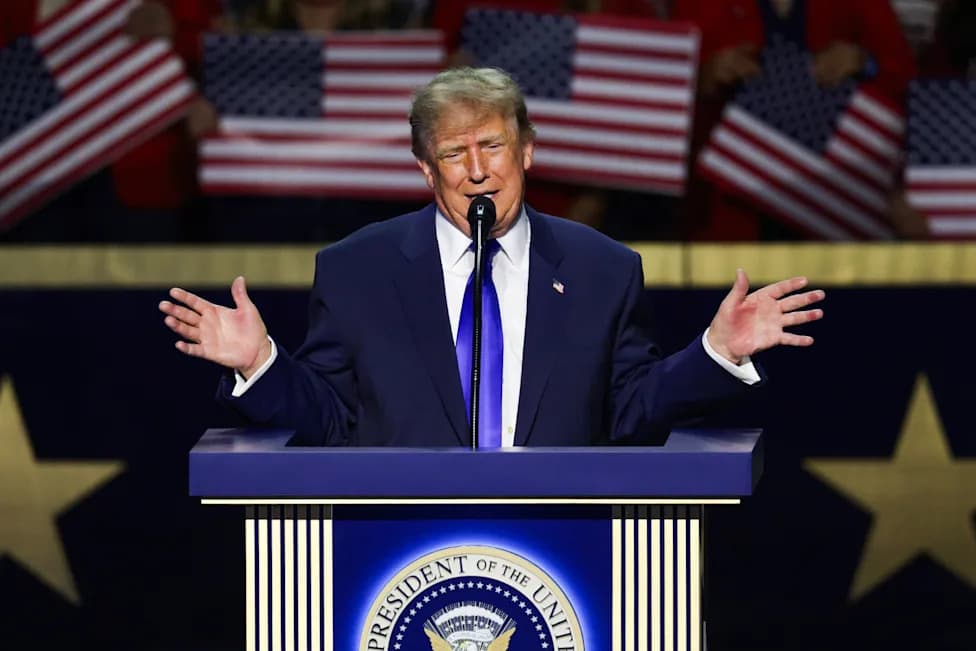
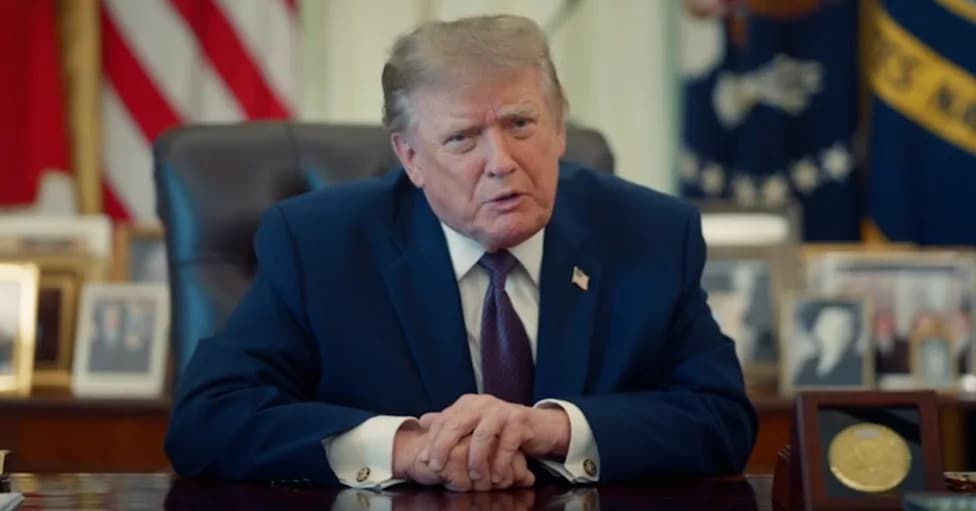
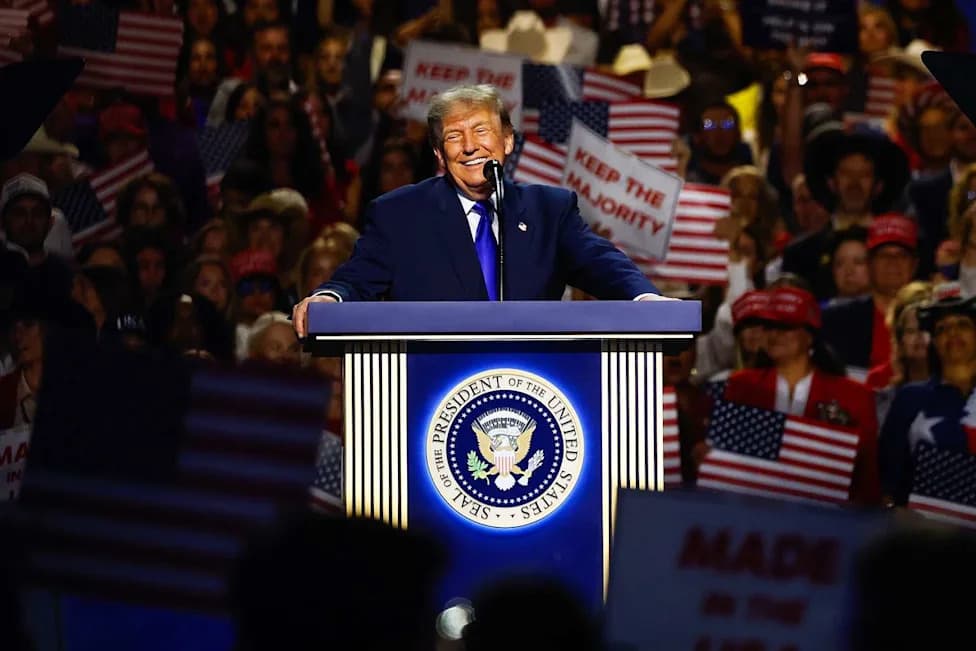
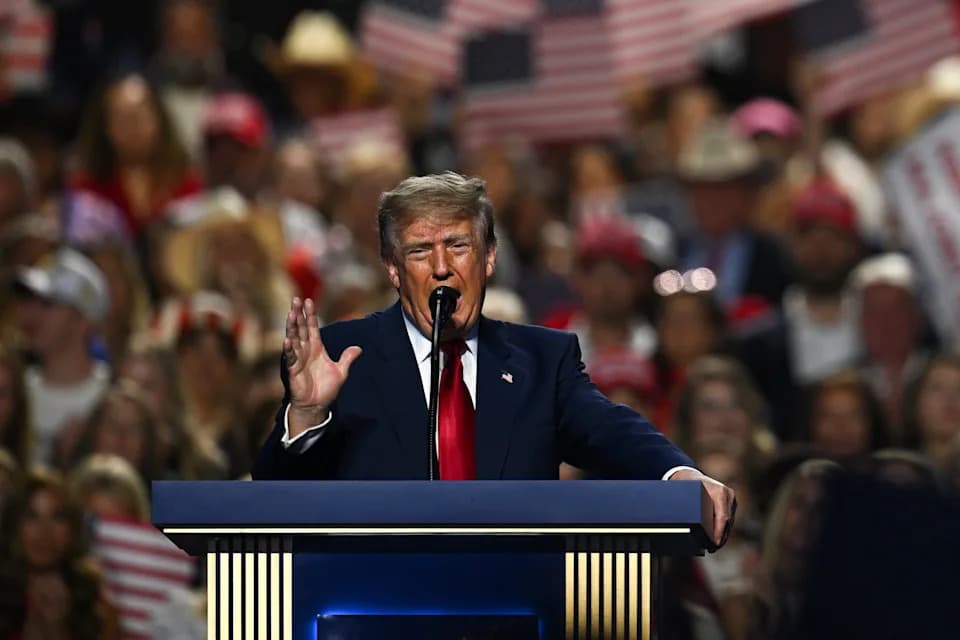
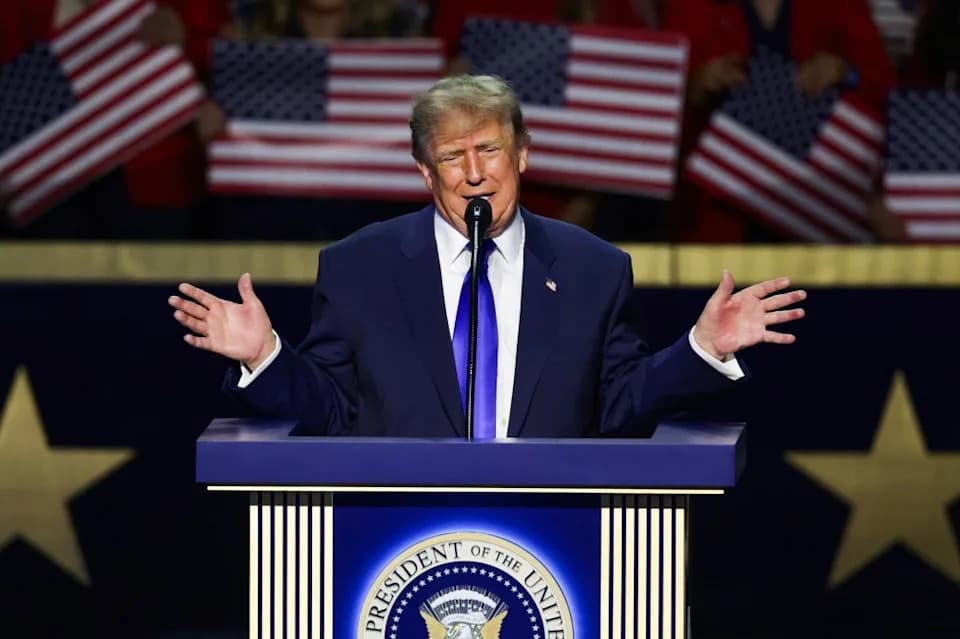
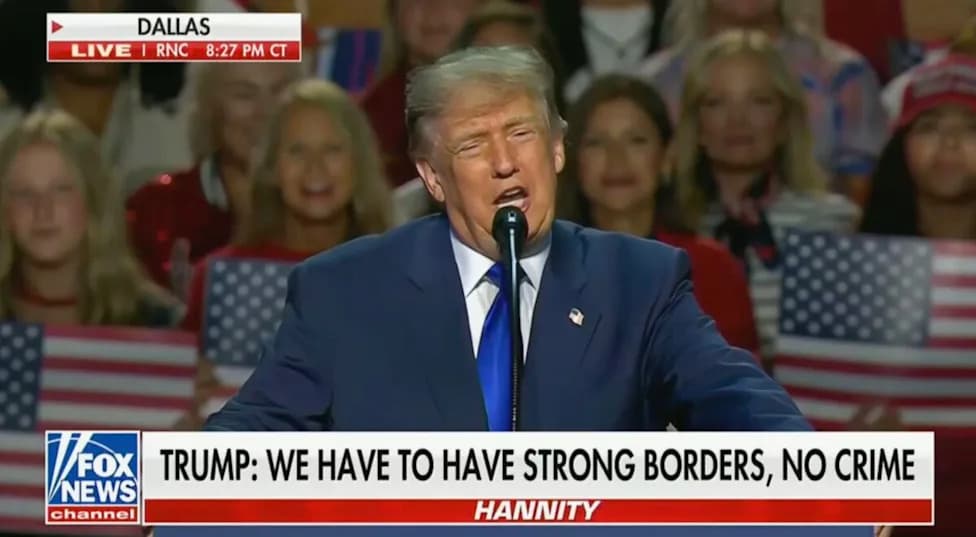
The $5,000 payment — often described by supporters as a "Trump Dividend" — was unveiled at the Republican Party's first midterm convention last September and reiterated by Trump in a recent video. The president has said every adult U.S. citizen would receive the payment if Republicans keep both the House and Senate.
Analysts estimate the plan could cost more than $1 trillion if paid to the adult population, and any payment program on this scale would require congressional approval. The White House has not released a detailed funding mechanism or legislative plan for delivering the checks.
Other Direct Payments Under Way
The announcement arrives as the administration rolls out other direct-payment efforts. Nearly 21 million Medicare Part B beneficiaries are expected to receive a one-time $90 payment this month funded through the Medicare Improvement Fund. About 950,000 HealthCare.gov customers are also receiving $500 ACA-related refund checks financed by unspent user fees collected from insurers.
Critics argue these programs, together with the $5,000 pledge, amount to election-year spending designed to boost support. The White House and allies counter that the payments are targeted relief for Americans facing rising health-care and living costs.
Political Reactions and Polling
Democrats including Rep. Jamie Raskin have called the proposal a "political bribe," noting that Congress controls federal spending. White House spokesman Davis Ingle told Newsweek critics consistently doubted the president's ability to deliver and framed the payments as part of a record of results.
Polling shows mixed reactions. An Economist/YouGov survey of likely voters found 45% opposed to the $5,000 checks and 43% in favor; 61% said Trump probably or definitely would not deliver the payments even if Republicans retained Congress. A Verasight survey measured electoral impact: 33% reported the pledge made them less likely to vote Republican, 15% said more likely, and 52% said it made no difference.
Democratic Alternatives
Asked what Democrats would offer beyond opposition, Kelly pointed to legislation he and Sen. Chris Van Hollen (D-Md.) are pursuing: a tiered surtax on incomes above $1 million to fund tax reductions for many middle-income households. Kelly said that proposal would provide relief to individuals and couples earning up to roughly $160,000 per year and described tax and structural reforms as more sustainable than one-off, election-conditioned payments.
Kelly also identified tariffs and the conflict with Iran as contributors to higher household costs, saying reversing tariff policy and ending military engagements would help lower prices over time.
Origins and History of Dividend Ideas
The dividend concept evolved from several proposals and experiments: a DOGE Dividend idea emerged in early 2025 after a private-sector proposal to return savings from efficiency reforms; a tariff dividend was floated as a possible $2,000 rebate before the figure grew to $5,000 in campaign messaging. The administration has sometimes pointed to smaller, targeted payments — such as a $1,776 "warrior dividend" to eligible service members in December 2025 — as proof the government can deliver direct checks.
What Comes Next
Any move to enact a $5,000-per-adult payment would require a legislative vehicle and clear funding sources — neither of which the White House has provided. The proposal is likely to be a major campaign issue in the run-up to the midterms, with Democrats emphasizing sustainable tax and cost-reduction policies and Republicans highlighting the potential immediate relief of lump-sum payments.
Help us improve.