The NHTSA-linked filing tied to the July 6, 2025 Buena Vista Township crash shows a Level 2 Tesla driver-assist system was marked “Verified Engaged” within 30 seconds of a collision that killed 82-year-old Stephen Field. Tesla's submission identified a 2019 Model 3 and acknowledged the fatality but redacted the software build and omitted whether the road was within the system's operating area. That redaction leaves unclear whether Autopilot or Full Self-Driving was in use and has renewed scrutiny of Tesla's reporting and transparency.
Federal Records Show Tesla Driver-Assist Was Active Before Fatal New Jersey Crash
Photo Credit: iStock
Federal crash records have renewed scrutiny of Tesla's driver-assistance technology after a July 6, 2025, collision in southern New Jersey in which an 82-year-old man was killed.
What Happened
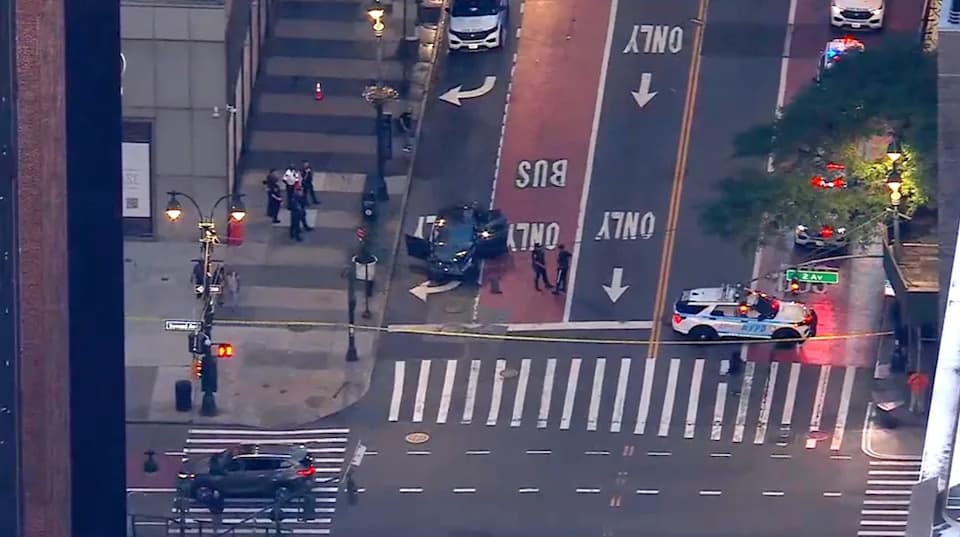
New Jersey State Police responded on July 6 to County Route 671 and Chestnut Avenue in Buena Vista Township after a Tesla Model 3 struck a Honda Civic that was in the middle of a left turn. The Civic's driver, 82-year-old Stephen Field, later died of his injuries. The Tesla driver and three passengers were hospitalized with moderate injuries.
What The Records Show
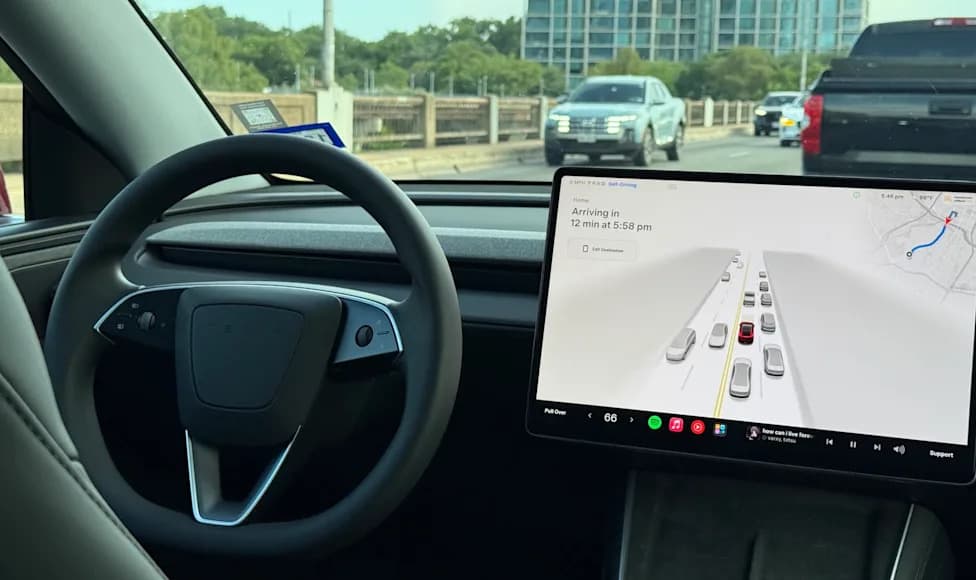
Electrek reviewed a report filed with the National Highway Traffic Safety Administration (NHTSA) that appears to link the crash to a separate Tesla submission. Tesla identified the vehicle as a 2019 Model 3 and reported a fatality, and the company marked a Level 2 driver-assistance system as “Verified Engaged” within 30 seconds of the impact.
However, Tesla's filing omitted several potentially important details: the software build was redacted, the narrative description of the crash was sparse, and the report did not state whether the roadway was within the system's documented operating area. Because of the redaction, the submission did not clarify whether the vehicle was using Tesla's standard Autopilot or the company's Full Self-Driving (FSD) package.
The filing also listed the Tesla's pre-impact speed at 4 mph, a detail that leaves uncertainty about the vehicle's behavior in the final moments before the collision.
Investigation and Oversight Questions
An NHTSA Standing General Order requires manufacturers to report crashes when systems classified as Level 2 driver-assistance were active shortly before an impact. NHTSA is already scrutinizing Tesla's crash-reporting practices, and reporters have asked New Jersey investigators whether they received the vehicle's raw telemetry from Tesla or only the automaker's summary.
Public Reaction And Broader Concerns
Readers and safety advocates have expressed growing concern about transparency, product labeling, and the risks of advanced driver-assistance software being used in real-world conditions. Commenters on Electrek reflected that anxiety:
“The more I read these, the more I'm not sure if I want to put my daughter or family in a Tesla,” one reader wrote.
“The dead man didn't sign up to be a beta victim,” another said. “And it doesn't matter if overall FSD leads to fewer accidents when strictly avoidable ones occur.”
Why This Matters
The Buena Vista Township crash has refocused debate over how Tesla markets and deploys its driver-assistance features and how transparent the company is when filing federally required reports. Questions about whether investigators receive full telemetry, the difference between Autopilot and FSD behavior, and the limits of Level 2 systems are central to regulators, safety advocates, and the public as similar incidents continue to attract attention worldwide.
Help us improve.