Apocephalus borealis (the zombie fly) lays eggs inside foraging bees; larvae feed on flight muscles and hemolymph, disrupt behavior, and typically kill the host within about a week. Infected bees often leave hives at night and gather around lights, and the parasite can be associated with secondary infections such as deformed wing virus. Discovered in honeybees in 2008–2009, the fly is considered a notable biological threat that may contribute to hive collapse alongside other stressors.
Zombie Flies Hollow Out Bees — Could Apocephalus borealis Be Driving Hive Collapse?
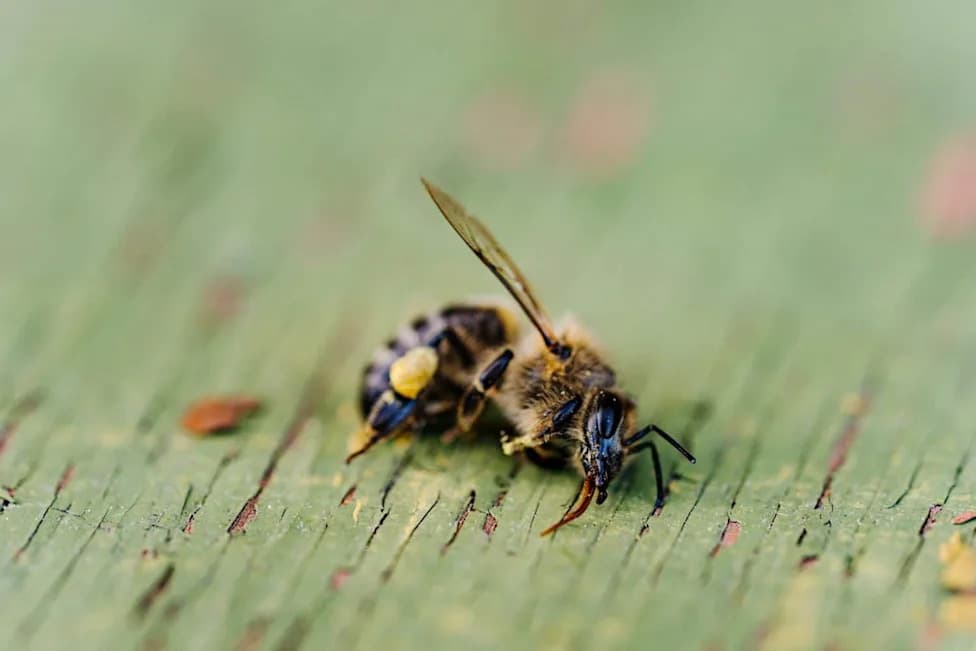
Close-up of dead honey bee on green surface with pollen. Extinction of insects due to treatment of fields with harmful pesticides, an environmental disaster.© Elena Shishkina/Shutterstock.com
Apocephalus borealis, commonly called the "zombie fly," is a small phorid fly that parasitizes bees across North America. Its females lay eggs inside living bees, and the developing larvae consume key tissues and alter host behavior in ways that may contribute to broader hive losses. Scientists are still investigating how important this parasite is compared with other stressors, but its effects on individual bees are dramatic and well documented.
How the Parasite Works
Female zombie flies find bees while they are foraging or even in flight. Using a needle-like ovipositor, the fly inserts eggs into the bee’s abdomen. Those eggs hatch within days; the larvae feed on the bee’s hemolymph and flight muscles in the thorax, progressively undermining the insect’s physiology.
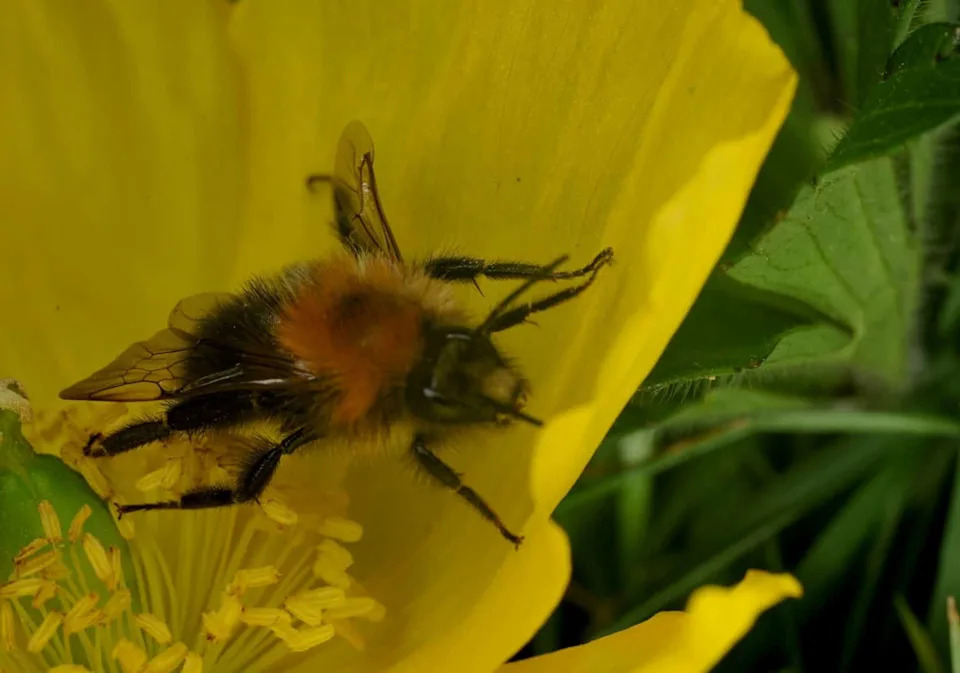
Bees in North America are targeted by parasitic flies that lay eggs in their bodies.©valda butterworth/Shutterstock.com
Behavioral Changes and Death
As the larvae develop, infected bees exhibit striking behavioral changes. Diurnal bees often begin leaving their hives at night, congregating around artificial lights, moving erratically, walking in tight circles, and eventually losing the ability to stand. Typically within about a week the host dies; mature larvae then emerge from a gap between the bee’s neck and abdomen, burrow into soil and pupate into adult flies that continue the cycle.
Broader Health Implications
Parasitism by A. borealis does more than kill individual bees. Researchers have detected deformed wing virus and other pathogens in flies and infected hosts, suggesting the parasite can vector or facilitate secondary infections. Laboratory and field studies also report that parasitic infection may substantially shorten the lifespan of bumble bees—by as much as about 70% in some cases—heightening concerns about impacts on pollinator populations.

Scientists didn't know that zombie flies infected honey bees until a chance discovery at San Francisco State University.©Charlie Wittke/Shutterstock.com
Discovery and Possible Link to Colony Collapse
Scientists first recognized that A. borealis infects honeybees following an accidental discovery by Dr. John Hafernik at San Francisco State University in 2008–2009. He found clusters of dead honeybees by an outdoor light, collected them, and later observed fly larvae emerging from the carcasses. That observation expanded attention beyond bumble bees and paper wasps to include managed honeybee colonies.
Open Questions and Next Steps
Why infected bees abandon hives at night is not settled. Hypotheses include: healthy nestmates detect and eject sick individuals; or infected bees voluntarily leave the colony in an altruistic act to reduce contagion. While A. borealis is unlikely to be the sole cause of colony collapse disorder, its ability to alter host behavior, carry viruses, and rapidly complete its life cycle makes it an important biological threat to study. Continued research on the fly’s ecology, interactions with pathogens, and prevalence across regions will be essential to assess its role in hive declines and to develop mitigation strategies.
Key takeaway: Zombie flies are a documented, behavior-altering parasite of multiple bee species and may be a significant biological contributor to pollinator declines, alongside pesticides, habitat loss, and disease.
Help us improve.