The U.S. Departments of Education and Justice issued advisory guidance on Sept. 25 urging K-12 schools and colleges to prepare for swatting — false emergency reports meant to provoke armed responses. The documents recommend drafting response plans, training staff who may field calls, running exercises, and coordinating campus security with outside law enforcement. The guidance stresses treating all violent-threat reports as initially credible, notes swatting often comes in waves and can originate abroad, and reminds colleges of Clery Act obligations.
Federal Guidance Urges Schools To Train Staff and Draft Plans to Counter 'Swatting'
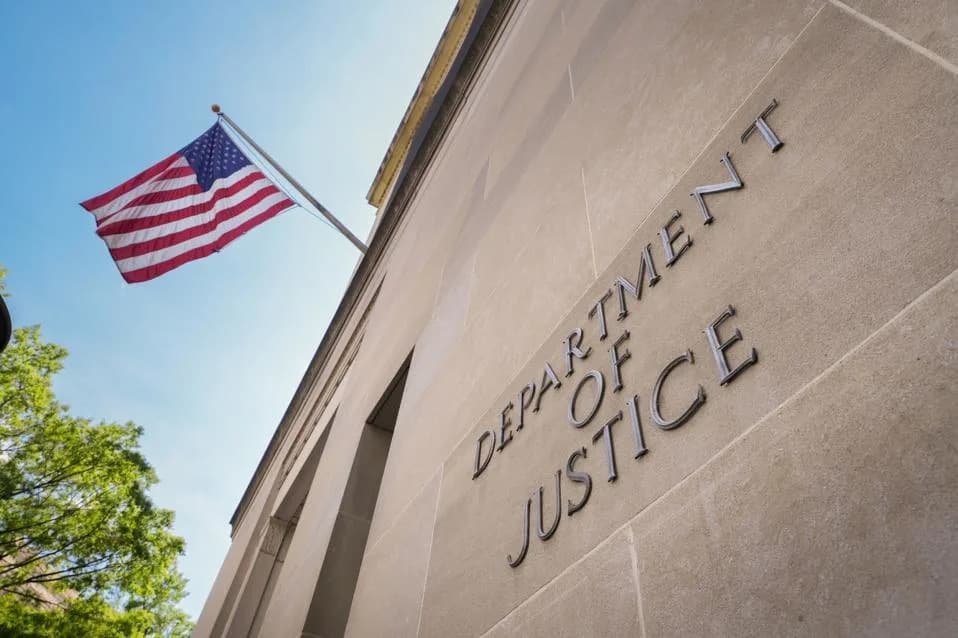
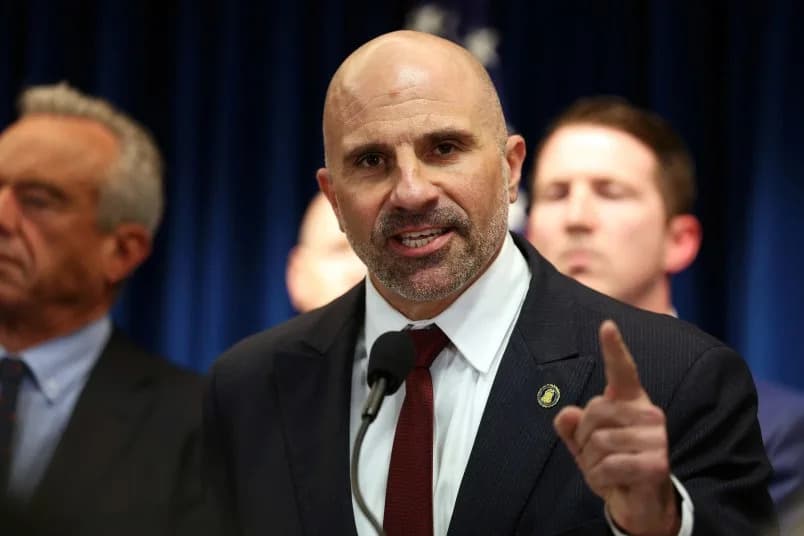
The U.S. Department of Justice was one of the federal agencies this month to issue guidance to K-12 schools and colleges on swatting, the illegal practice of making false reports to try to trigger a public law enforcement response.Getty Images
The U.S. Departments of Education and Justice on Sept. 25 issued advisory guidance urging K-12 schools and colleges to prepare for swatting — the criminal practice of making false emergency reports designed to provoke an armed law-enforcement response. The guidance emphasizes planning, staff training, coordination with outside agencies, and initial safety-first responses while determining the credibility of threats.
What the Guidance Recommends
The guidance is advisory, not mandatory, but outlines practical steps institutions can take to reduce harm and disruption from swatting incidents:
- Draft response plans: Develop protocols for receiving, evaluating, and responding to suspicious or potentially false emergency reports.
- Train staff: Prioritize training for employees likely to receive or answer emergency calls, including techniques to prompt identifying information and de-escalation strategies.
- Run exercises: Hold tabletop exercises and drills to rehearse roles, communications, and coordination with local law enforcement.
- Form evaluation teams: Convene a group of campus officials to assess threats and decide appropriate actions when a report appears suspicious.
- Coordinate security and police: Plan how campus safety teams will work with external law enforcement to balance rapid response with risk reduction for students and staff.
Context and Risks
Swatting calls typically involve anonymous actors falsely reporting an ongoing violent incident — such as a shooting or bomb threat — to prompt a large emergency response. Agencies warn the tactic can create panic, cause trauma, risk the use of force against innocent people, divert public safety resources, and produce significant taxpayer costs through personnel deployment, equipment use, lost classroom time, and property damage.
The guidance notes that swatting incidents often come in waves and that some communications received in the United States may originate from abroad. It points to recent campus episodes — including a fall surge of fabricated calls reported by The Associated Press, a Villanova University incident where callers broadcast fake gunfire, and a summer lockdown at Pasadena City College after a false shooting report.
Legal and Federal Context
The departments stress that while the guidance does not impose obligations on K-12 schools or colleges, colleges remain subject to federal rules under the Jeanne Clery Campus Security and Campus Crime Statistics Act. That law requires institutions to maintain threat protocols (student alerts, community contact lists, shelter-in-place orders) and may require reporting whether incidents proved real or false in annual crime statistics.
Signed: Nicholas Kent, Under Secretary, U.S. Department of Education; Stanley Woodward Jr., Associate Attorney General, U.S. Department of Justice.
Federal Advice and Practical Steps for Individuals
The FBI has issued public guidance urging people to review and limit publicly available personal information that could be used to target them for swatting. The agency recommends that families and colleagues develop a response plan in case a swatting incident occurs.
Recommended immediate actions for schools: review and update emergency-response plans, identify staff who will receive calls and train them on caller-engagement and de-escalation techniques, conduct joint exercises with local police, and maintain clear communication channels with students, parents, and staff.
This guidance builds on earlier federal efforts to help schools and colleges reduce the risk and impact of swatting while emphasizing that safety must come first as institutions verify threat credibility.
Help us improve.