NSPM‑7, a White House directive, has prompted a DOJ effort — Joint Task Force Vanguard — to prioritize investigations of political violence and online threats. The task force has focused on interstate “875” threat prosecutions, making it easier, officials say, to bring charges for menacing social‑media posts. High‑profile cases cited by prosecutors include threats attributed to users in Maryland, Indianapolis, and Albany. Supporters argue the work disrupts dangerous violence; critics warn it risks criminalizing dissent.
NSPM‑7 Fuels DOJ Crackdown On Online Threats — Raises Free‑Speech Concerns
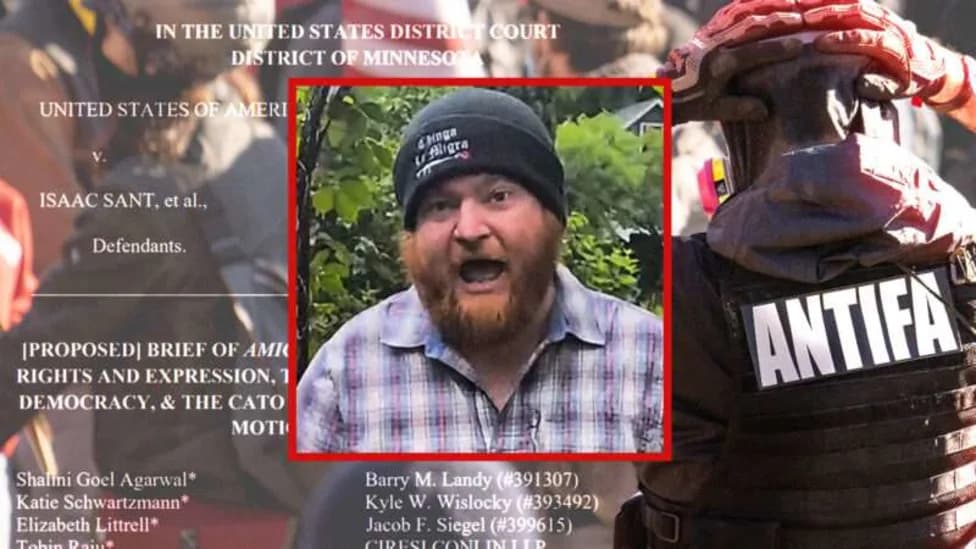
National Security Presidential Memorandum 7 (NSPM‑7), the Trump White House directive that encouraged federal law enforcement to treat certain progressive beliefs as potential indicators of domestic terrorism, has reshaped investigations and prosecutions across the country. The policy is cited in broad conspiracy cases, has been invoked in violent‑protest prosecutions, and is now influencing how prosecutors and investigators treat menacing social‑media posts.
What NSPM‑7 Directs
According to administration statements, NSPM‑7 instructs federal agencies to prioritize ideologies such as “anti‑Americanism, anti‑capitalism, and anti‑Christianity” and to treat extremism tied to migration, race, and gender as possible motivating factors for domestic terrorist activity. Officials say the aim is to disrupt organized political violence; critics warn the directive risks sweeping in protected dissent and lawful protest.
Joint Task Force Vanguard And '875' Cases
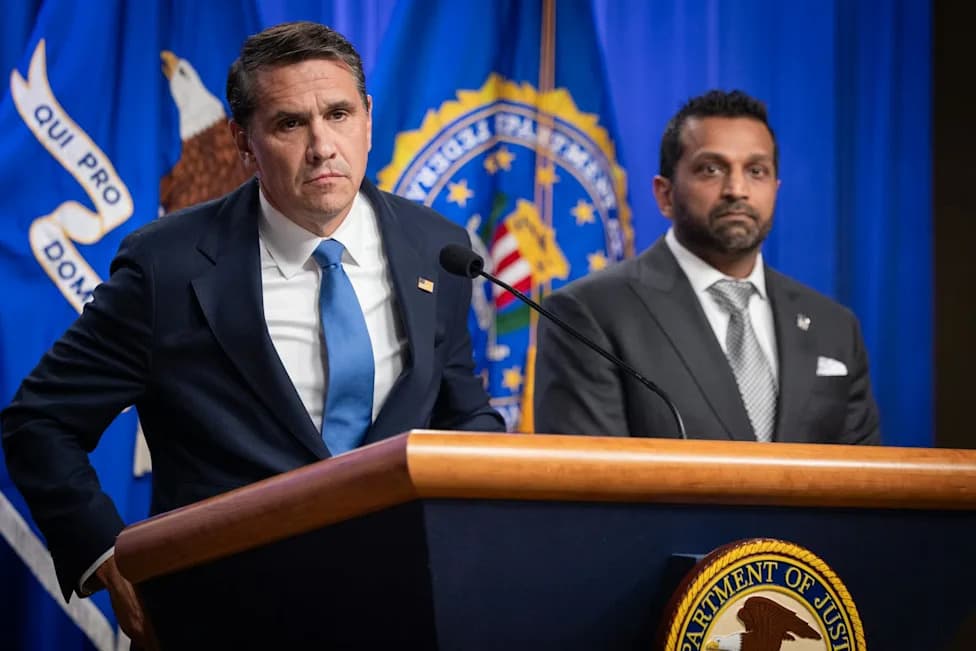
To implement the memorandum, the Department of Justice assembled Joint Task Force Vanguard, a multiagency effort that the FBI and DOJ say focuses on investigating, prosecuting, and disrupting political violence and intimidation. Much of the enforcement activity has centered on interstate threat prosecutions under statutes commonly referred to as “875” cases (18 U.S.C. § 875), which cover interstate communications that threaten violence.
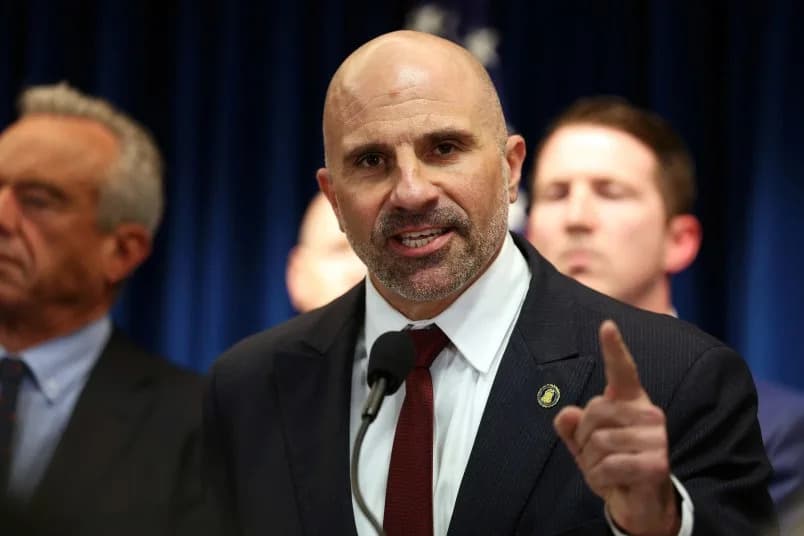
“Good luck trying to get an 875 charge from a U.S. attorney, you know, five or 10 years ago,” FBI co‑Deputy Director Chris Raia said in a bureau video. “We're really getting a lot of support from our partners in the DOJ, and the U.S. Attorney's Office and going after these folks.”
Notable Prosecutions Cited
Recent cases illustrate how online posts are being handled under Vanguard's priority. Federal prosecutors charged Donald Franklin Swope of Maryland after he tagged President Trump, multiple law‑enforcement agencies, and media outlets in a Facebook post prosecutors say read: “I will behead you Donald J. Trump and no longer will MY people bare your mark!!” Swope faces counts for threatening the president and attempting to intimidate a public official.
In another case, Alexander Jakeway of Indianapolis was charged after allegedly tweeting violent exhortations from an account with the display name “wicked ass douchebag.” Prosecutors cited messages that urged killing immigration enforcement agents. Jakeway pleaded guilty to an interstate threats count and received one year of probation; the DOJ credited Vanguard in its release.
Federal authorities also charged 75‑year‑old James Michael Breen Jr. in Albany after he allegedly posted on X that the world would be a “better place” if President Trump and a named supporter were assassinated. Agents executed a search warrant and say Breen confirmed making the posts but denied any actual intent to carry out violence.
Officials' Rationale And Civil‑Liberties Concerns
A DOJ spokesperson told TPM that “political violence is a scourge on our democracy, and it is increasingly organized, radical, and dangerous. Ignoring this is not an option.” The department says Vanguard's mission includes investigating and disrupting entities and individuals engaged in political violence and intimidation that suppress lawful political activity or obstruct the rule of law.
Critics, including some former prosecutors, have compared aspects of the campaign to COINTELPRO‑style tactics and warn that emphasizing ideology as an indicator risks chilling lawful dissent and protest. Civil‑liberties advocates say robust legal safeguards are necessary to prevent overbroad enforcement.
How Enforcement Is Carried Out
FBI officials describe a joint mission center that co‑locates staff from Homeland Security Investigations, the IRS, Treasury, and other agencies. Much of the workload involves reviewing online posts to decide whether they merit criminal charges, referral to local Joint Terrorism Task Forces (JTTFs) for intervention, or noncriminal disruption such as a welfare check or a warning visit.
Whether a knock on the door suffices or a prosecution follows depends on the content, context, and investigators' assessment of intent and immediacy. Observers caution that consistent, transparent standards are essential to balance public safety and free speech.
What To Watch
Expect continued attention to interstate threat prosecutions and more public discussion about where the line falls between criminal threats and protected political expression. Lawmakers, civil‑liberties groups, and courts are likely to shape how NSPM‑7's priorities translate into everyday enforcement.
Help us improve.