The Independent Monitoring Board warns that HMP Winchester is operating as a "high-risk" prison: overcrowding, ageing infrastructure and staffing shortages are limiting rehabilitation and resettlement. Self-harm and prisoner-on-prisoner violence remain high, drug finds have surged and many people leave without accommodation or employment. The IMB praised staff professionalism but called for systemic action; the Ministry of Justice says an independent review will inform long-term reforms.
Report: HMP Winchester Deemed 'High-Risk' as Rehabilitation Opportunities Fall Short
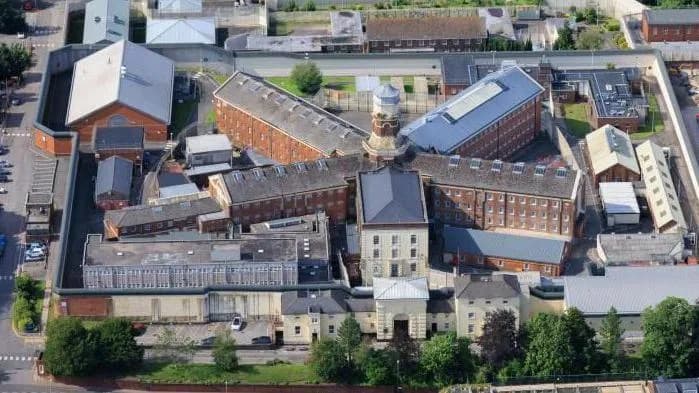
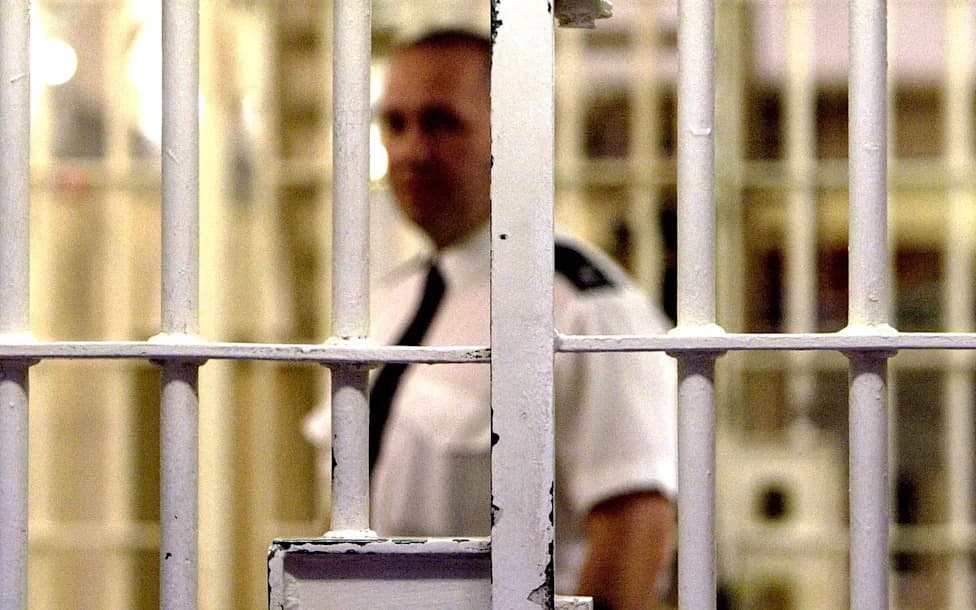
HMP Winchester is providing limited opportunities for the resettlement of its prisoners, the report found [Getty Images]
A report by the Independent Monitoring Board (IMB) has found that HMP Winchester, a 19th-century men's prison and young offender institution in central Winchester, provides limited opportunities for rehabilitation and resettlement while struggling with violence, self-harm and widespread drug misuse.
Key Findings
The IMB highlighted severe staffing shortages, an overcrowded and ageing estate (parts of which are described as no longer fit for purpose), and insufficient purposeful activity. Built in 1846, the prison holds about 664 Category B and C prisoners and is coping with "constant pressures of accommodating and caring for a complex population," according to IMB Winchester chair Cord Oestmann.
"Staff are often required to focus on keeping prisoners safe, leaving limited opportunity to support rehabilitation and resettlement," said Cord Oestmann.
The board recorded a range of operational and welfare concerns: an inadequate education offer, too few meaningful work opportunities, and activity constraints caused by staffing pressures and a high turnover in the population. The IMB reported that as many as 36% of prisoners left without accommodation and employment rates six weeks after release were as low as 7%.
Self-harm remained at very high levels with 532 incidents recorded in 2025–26 (down from 784 the previous year, but still about 15% above the average for comparable prisons). Violence was significant: the report recorded roughly 27 prisoner-on-prisoner assaults per month and noted that serious assaults had more than doubled.
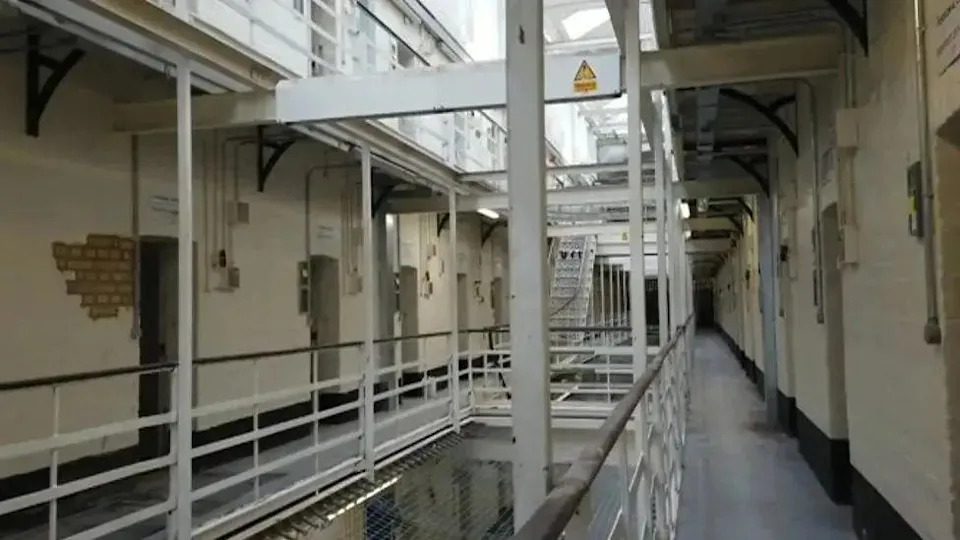
Prisoners climbed on netting between wing landings out of "fear, frustration, or while intoxicated" [BBC]
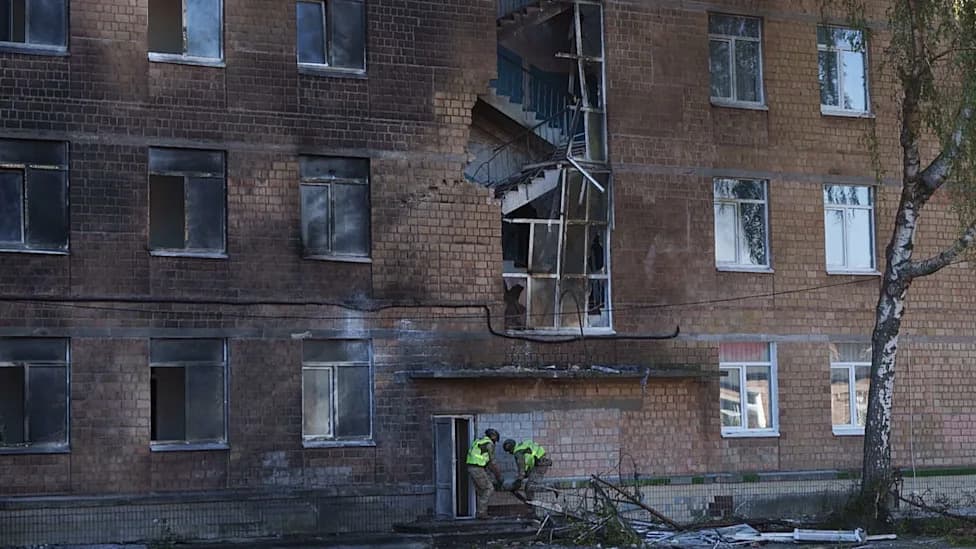
Other issues included water leaks, vandalism, extreme temperatures, and vermin (rats described as "common visitors"). Officers used force on prisoners about 80 times per month, body-worn cameras were used inconsistently, and the care and separation unit was said to be under severe strain. Some prisoners were reported to spend as little as three hours a day out of their cells, and inmates were observed climbing on netting or beams between wing landings—often driven by fear, frustration, or intoxication.
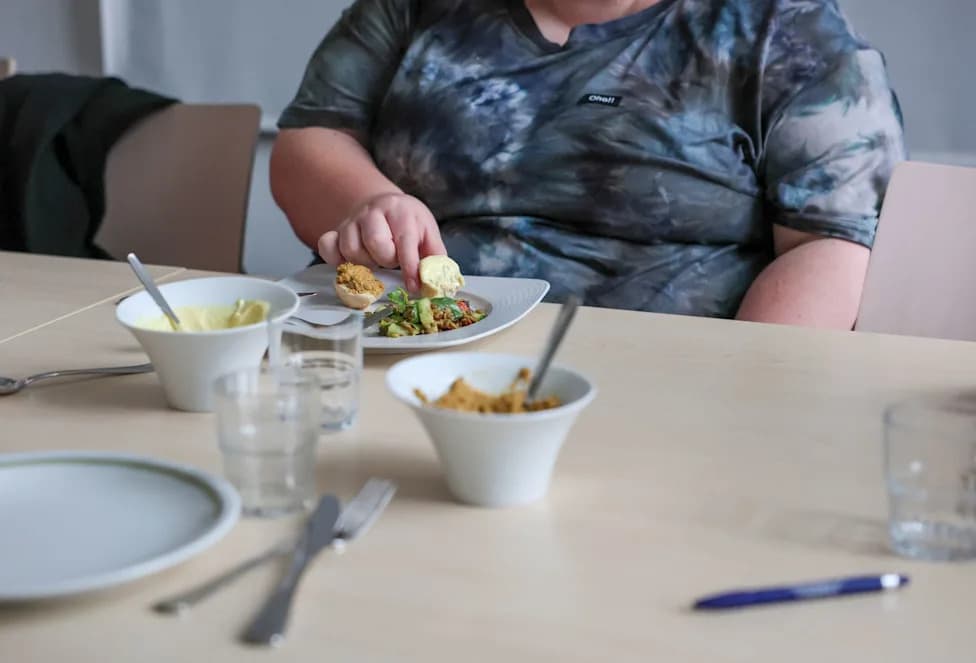
Illicit substances were a major concern: drug finds increased by 114%, and around 28 litres of illicitly brewed alcohol were discovered, reportedly made from fruit served with prison meals. The IMB also noted the high cost and limited effectiveness of remediating cells after dirty protests—one bio‑cleaning cost approximately £3,000 yet left residual contamination and odour.
Context and Response
Earlier in the year, HM Inspectorate of Prisons reported "persistent" problems with violence and drugs, describing the prison as deteriorating and overcrowded. Two years prior, a critical inspection had placed HMP Winchester under "urgent notification"; subsequent work by staff led inspectors to end that notification, and the IMB acknowledged staff professionalism and compassion in supporting prisoners with complex needs despite difficult conditions.
Ministry of Justice response: The MoJ said the report recognised progress made by staff and reiterated that an independent review of the prison system—led by former Home Secretary Amber Rudd—will help shape a long-term plan to deliver safer prisons, reduce reoffending and better protect the public.
Help us improve.