The article examines a sharp rise in Personal Independence Payment (PIP) claims in typically affluent parts of England, using Winchester — which has seen a 138% increase since 2019 — as a focal example. Research from the Nuffield Trust and analysis by The Telegraph show faster growth in ADHD, autism and other disability claims among wealthier teenagers and adults, narrowing the gap with deprived areas. Drivers include private diagnosis, greater ability to navigate claims and appeals, reduced stigma and PIP’s non‑means‑tested design. The trend presents fiscal pressures and policy choices about fairness and eligibility.
Revealed: Surge In Middle‑Class PIP Claims — Winchester Sees 138% Rise Since 2019

A hand, belonging to a man in a white shirt, gently pulls a £10 note from a jar labelled 'Welfare'
Winchester — a city steeped in English history from King Alfred to Jane Austen — now illustrates a striking contemporary trend: a steep rise in Personal Independence Payment (PIP) claims in generally affluent, middle‑class communities. Since 2019 Winchester has recorded a 138% increase in PIP claims, and outside Bracknell Forest it has the highest PIP rate among England’s least deprived areas, with nearly one in 20 adults now receiving PIP.
Winchester As A Case Study
While disability and benefit claims have historically been associated with deprivation, recent analyses show the gap between deprived and affluent areas narrowing. Research by the Nuffield Trust and analysis by The Telegraph reveal that PIP claims for conditions such as ADHD and autism have risen fastest in wealthier communities — particularly among 16‑ and 17‑year‑olds — even as deprived areas continue to record high absolute numbers.
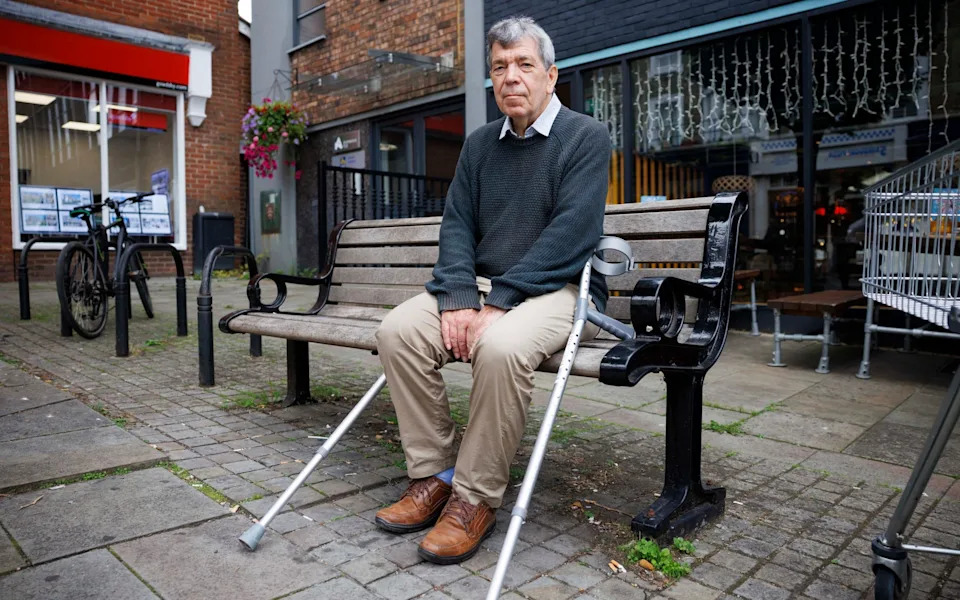
Robert Fellows, 78, attributes the rise of locals signing up to PIP to a changing of attitudes towards work among the young - Jamie Lorriman
Data And Trends
Key findings include:
- In the 10% least deprived areas of England, PIP claims rose from 57,051 to 131,137 between July 2019 and July 2026 — a 130% increase.
- In the most deprived areas, claims rose by 102% over the same period.
- Among 16–17‑year‑olds, PIP for ADHD and autism rose from 0.8% to 2.5% in prosperous areas (a >3.1× increase) and from 2.1% to 5.1% in the most deprived areas (~2.4×).
- The Telegraph found claims rose faster in richer areas for 23 of 30 conditions examined, including ADHD (262% vs 208%), anxiety (196% vs 171%), autism (95% vs 54%) and osteoarthritis (116% vs 72%).
- PIP spending in England and Wales increased by 89% between 2020–21 and 2024–25 — more than £12 billion extra.
What’s Driving The Rise?
Experts and local leaders point to several overlapping factors:
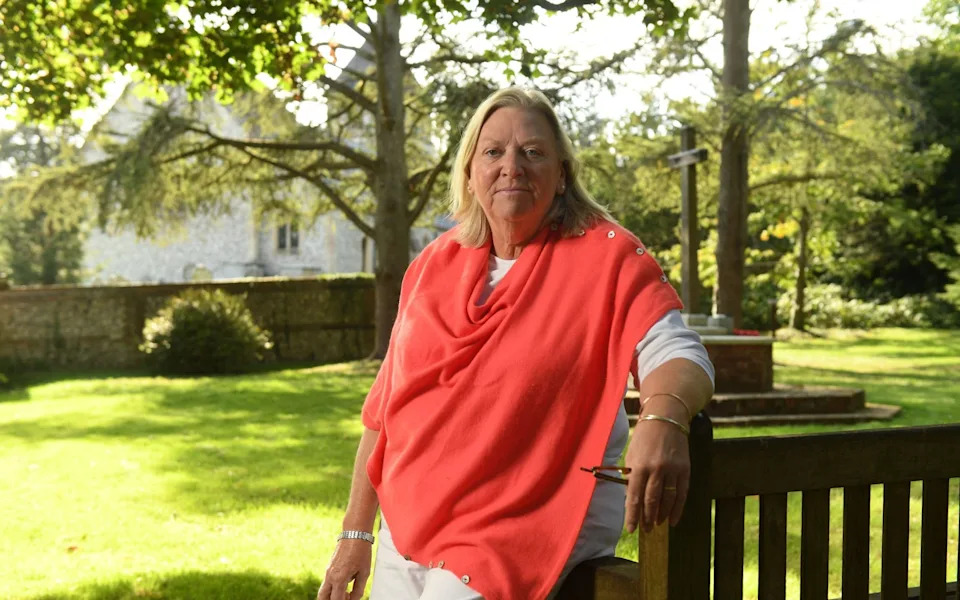
'There is a well-informed population here who know how to navigate the system,' says Caroline Horrill, leader of Winchester council - Russell Sach
- Access To Diagnosis: Affluent families are more able to obtain quicker private assessments for conditions such as ADHD and autism, raising recorded diagnosis rates.
- Ability To Navigate The System: Households with higher education and resources often have the knowledge, time and legal support to complete applications and pursue appeals.
- Reduced Stigma: Claiming benefits, particularly for mental‑health or neurodivergent diagnoses, carries less social stigma than in the past.
- PIP’s Design: Unlike many benefits, PIP is not means‑tested and was intended to cover disability‑related costs rather than lost earnings — making it accessible across income levels.
- Economic Pressures: Cost‑of‑living strains may be prompting even middle‑income families to seek eligible support.
Voices From Winchester
“I guess young people aren't prepared to work now,” says Robert Fellows, 78, a recently retired draughtsman, reflecting a view held by some locals who worry the culture of claiming is changing. Others describe seeing young people receive diagnoses and remain at home while parents work.
Local council leader Caroline Horrill says Winchester’s highly educated population is often better able to navigate the benefits system and secure diagnoses and awards. Conversely, some claimants — including those with clear, serious impairments — say they only learned about PIP through medical advice and feel justified in claiming support they have paid for via National Insurance.
Policy Implications
Analysts warn the rapid, nationwide rise in health‑related benefit claims presents fiscal and policy choices. Tom Waters of the Institute for Fiscal Studies notes the UK’s pattern is unusual compared with other developed countries and suggests the increase is widespread across local authorities. Economist Paul Johnson and others highlight that PIP’s non‑means‑tested status, combined with growing diagnostic rates and appeals, has likely contributed to rising expenditure.

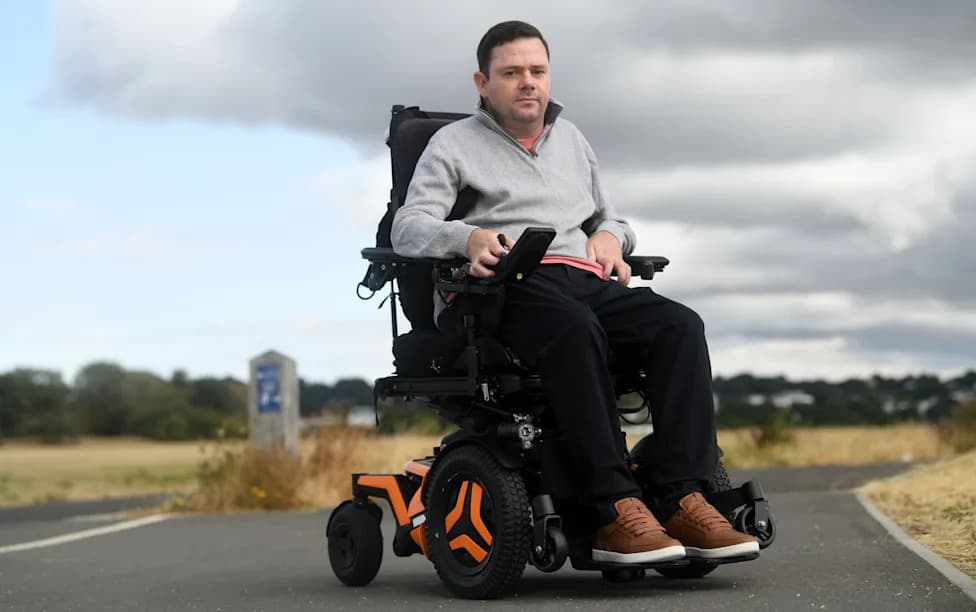
Winchester has seen a 138 per cent increase in PIP claims since 2019 - Jamie Lorriman
Policymakers face trade‑offs: whether to sustain higher PIP spending, tighten eligibility or change the structure of benefits — decisions that have consequences for public finances and public confidence. The Winchester example crystallises tensions between legitimate support for disabled people and concerns about fiscal sustainability and perceived fairness.
Takeaway: The rise in PIP claims among middle‑class areas reflects a complex mix of better diagnosis and advocacy, structural features of PIP, reduced stigma, and economic pressure. Addressing it will require careful policy design that balances fairness, access and fiscal responsibility.
Help us improve.