Tempe police used a Grappler to stop and impound a Corvette clocked at roughly 140 mph after two nights of alleged fleeing in September 2025 and said they booked the driver on a felony. A year later, a search of the Maricopa County Superior Court public index turned up no case under the name the department released. Arizona law allows a 20-day impound for reckless driving or racing and gives prosecutors up to seven years to file many felonies; the episode highlights tension between rapid enforcement tactics and the slower prosecutorial process.
Grappled and Impounded: Tempe Stops 140‑MPH Corvette — A Year Later, No Felony Case Appears in Superior Court
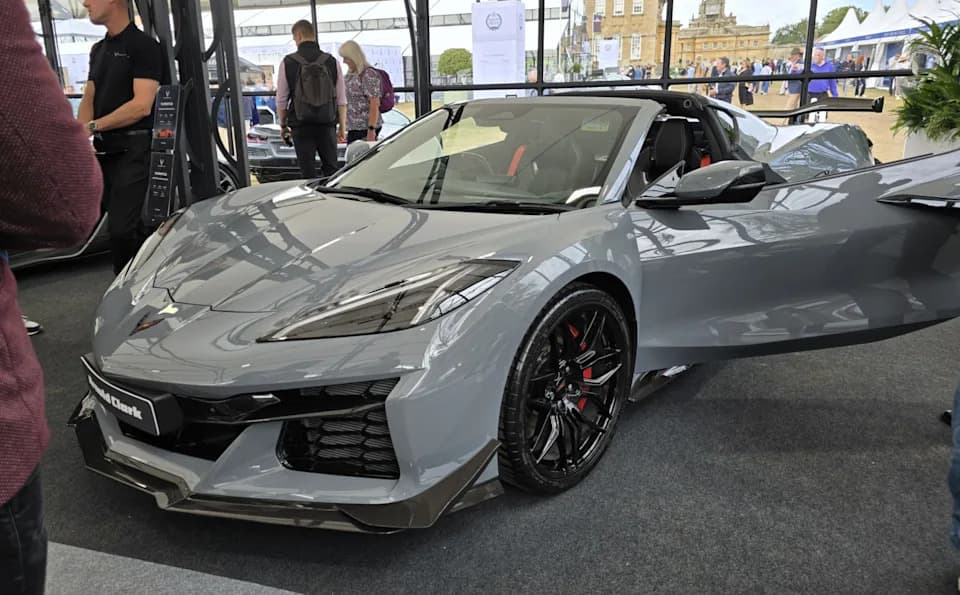
A C8-generation Corvette Z06 on display. File photo; not the car Tempe police stopped. Photo:Calreyn88 / Wikimedia Commons,CC BY-SA 4.0
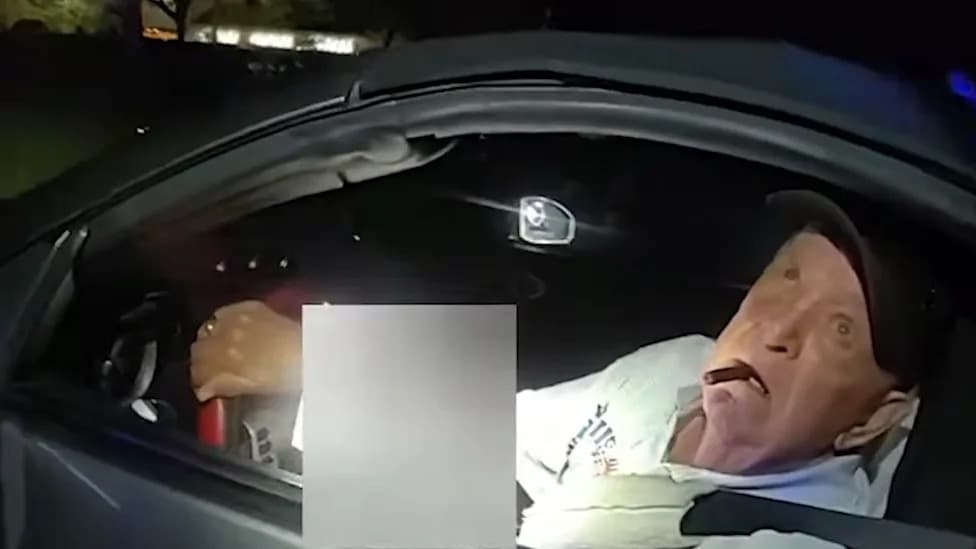
On the night of Sept. 9, 2025, a white C8 Corvette crossed the Mill Avenue Bridge over Tempe Town Lake at triple-digit speeds captured by the car's own camera. Tempe police say the in-car readout showed roughly 140 mph (Arizona's Family reported 142 mph) and that the driver ran red lights. A motorcycle officer attempted a stop that night but the driver escaped.
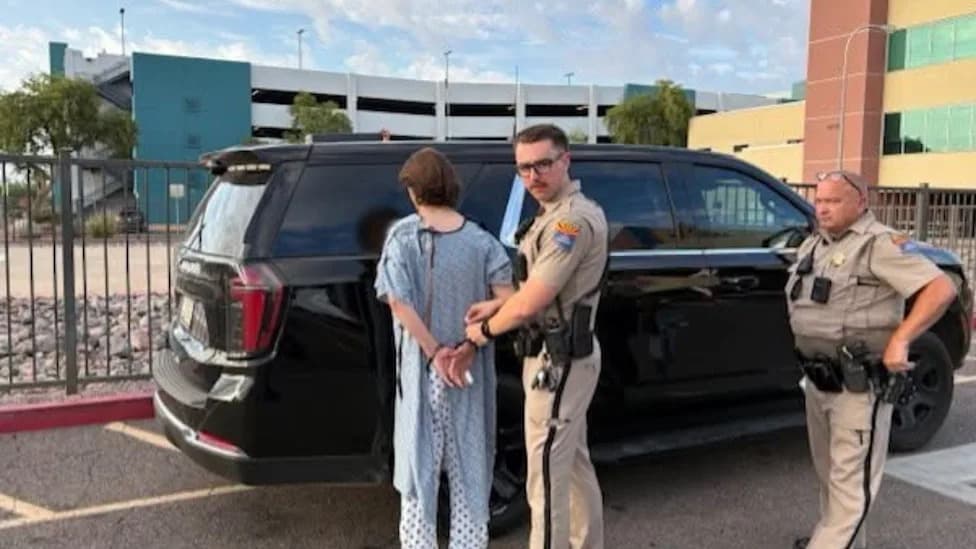
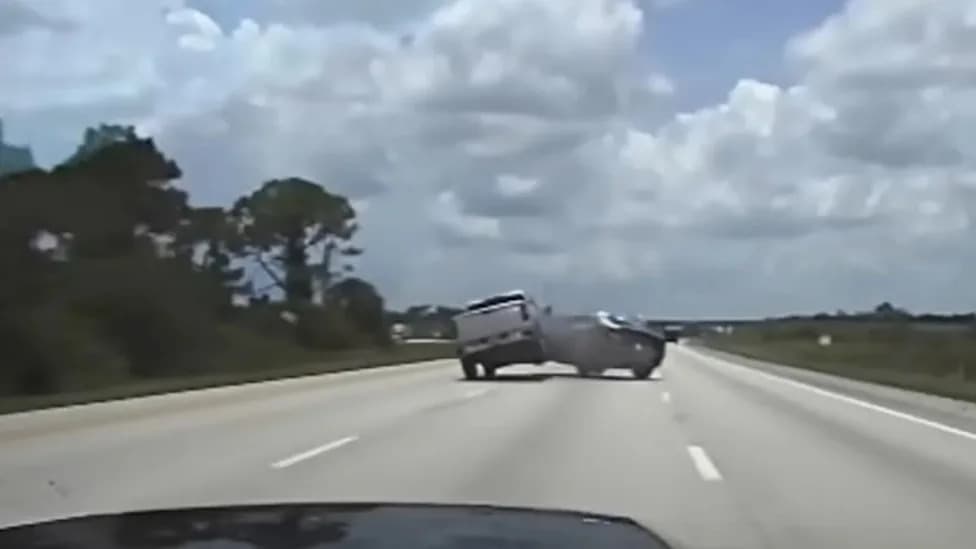
On Sept. 10, officers located the same Corvette. The department says the driver "even tried to run from police" again. This time a patrol unit deployed a Grappler — a nylon net launched from a push bumper that wraps a fleeing vehicle's rear tire and drags it to a controlled stop. Tempe impounded the Corvette and, according to the department, "booked the driver on a felony." Police identified the arrestee as Mazen Alassmari; local reporting described the booking as for felony flight.
Public Messaging and the Search for a Court Record
Tempe publicized the stop, posting the Grappler video in October 2025 under the caption "We hear you. We act." as part of its Vision Zero traffic-safety campaign. But a year later the paper trail for the driver is harder to find. On Sept. 30, 2026, a search of the Maricopa County Superior Court public criminal index for the name released by Tempe police produced no matches. The index was functioning — searches for other names returned results — but no case under that name appeared.
Why No Online Case Might Not Mean No Charges
An absence from the online index does not prove the driver was not charged, nor does it prove the allegations. Booking is not the same as a filed charge: the Maricopa County Attorney's Office decides whether to file felony charges, and cases may sit under review for months. Records might appear under a different spelling, prosecutors could pursue related offenses as misdemeanors in municipal court (whose indexes are separate), or the matter could still be pending. Tempe police issued no public follow-up after the October 2025 post.
Key Arizona Laws And Potential Penalties
- Felony Flight (ARS 28-622.01): Willfully fleeing or attempting to elude a marked police vehicle with emergency signals is a class 5 felony. Under ARS 13-702 a class 5 ranges from six months (mitigated) to 2.5 years (aggravated), with a presumptive term around 1.5 years; ARS 13-902 allows up to three years' probation.
- Excessive Speed: Driving more than 20 mph over the limit is a class 3 misdemeanor — 140 mph exceeds that threshold on any Tempe road.
- Reckless Driving (ARS 28-693): A class 2 misdemeanor, potentially carrying up to a 90-day license suspension.
- Racing (ARS 28-708): Prohibits exhibitions of speed or attempts to set speed records and can apply to a single vehicle. First conviction is typically a class 1 misdemeanor; a second within 24 months can escalate to a class 6 felony with mandatory custody days before release.
Impound Rules, Fees And Insurance
Arizona law (ARS 28-3511) requires officers to remove and impound vehicles when the driver is suspected of reckless driving or racing and the officer reasonably believes allowing the driver to continue would pose a risk of serious bodily injury or death. The statutory hold is 20 days. The law also specifies that insurers owe no duty to pay for immobilization or impoundment fees. Tempe charges a separate $150 administrative fee for vehicles held under the 20-day law in addition to private towing and storage charges; owners may request a poststorage hearing by appointment on weekdays.
Damages From Deployments And Notice Deadlines
The Grappler has drawn controversy. In October 2023 Tempe grappled a white Buick Verano thought to match a suspect vehicle; it was the wrong car. Officers ordered a woman and her daughter out at gunpoint and the net punctured the Buick's gas tank, leading to a total-loss determination near $10,000. Tempe reimbursed roughly $500; the owner never filed a formal claim. Under ARS 12-821.01, anyone with a claim against a city must file a notice of claim within 180 days naming a specific amount and the supporting facts; a late claim is barred. If the city does not respond within 60 days the claim is effectively denied.
Timing And The Bigger Question
Statute-of-limitations rules matter: prosecutors have seven years from discovery to file class 2–6 felonies and one year to file misdemeanors. That means a felony flight arising from the September 2025 incidents can be filed as late as September 2032; related misdemeanors would have had to be filed by roughly September 2026. For the driver Tempe named, any filed felony would eventually appear in the Superior Court index.
Tempe's Grappler stopped the Corvette in one night and the city impounded the car. A year later, no felony case under the named driver appears in the online Superior Court index. That raises a policy question communities must weigh: are aggressive enforcement tools such as vehicle-grappling devices and quick impound statutes effective public-safety measures, or do they risk removing dangerous vehicles while the slower, evidence-driven work of securing criminal convictions lags or is bypassed?
Help us improve.