Deanna Bratter of Crocs described the "Old Crocs. New Life" takeback program and the broader industry challenge at PlanetHaus during New York Climate Week. The pilot began in late 2023, expanded nationwide, and later reached Europe, Canada, Singapore and South Korea; the initiative funnels usable shoes to Soles4Souls and damaged pairs to recyclers such as ReCircled. The Footwear Collective coordinates cross-industry experiments (including a Goodwill collection of 30,525 pounds) to scale recycling and redistribution, and Crocs learned consumers prefer discounts over novelty rewards when returning shoes.
Why Crocs Wants Its Old Clogs Back — Inside the 'Old Crocs. New Life' Takeback Program
Why Crocs Wants Its Old Clogs Back
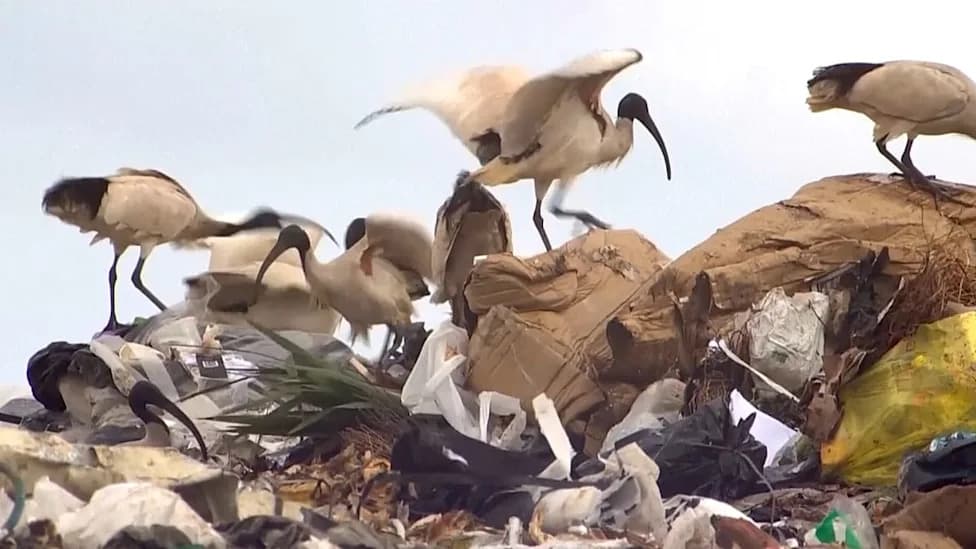
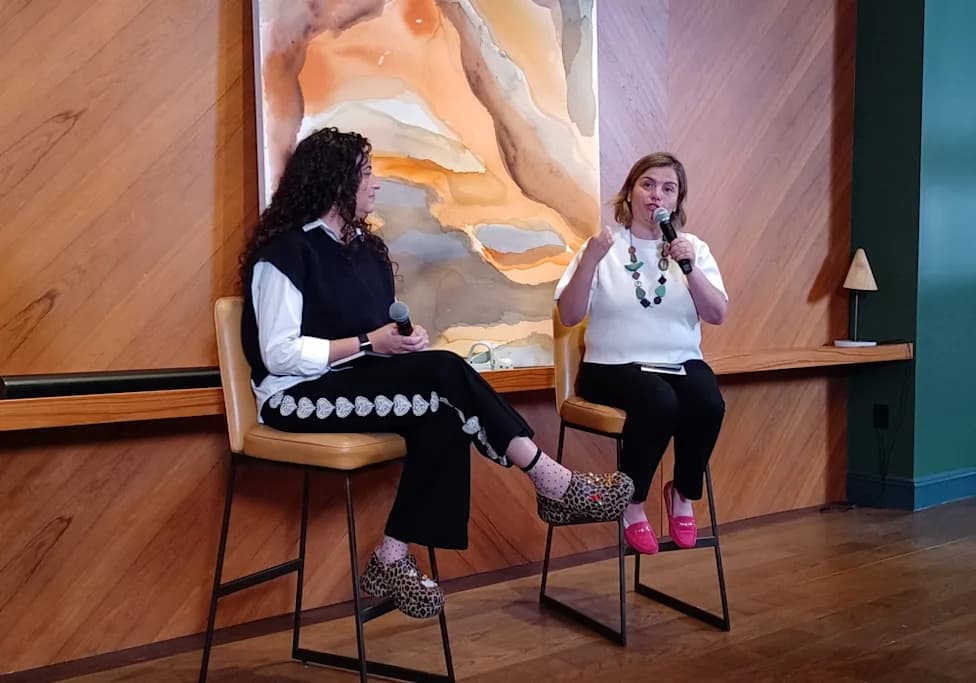
Old shoes are more than worn-out fashion — they're a mounting environmental and social problem. At PlanetHaus during New York Climate Week, Deanna Bratter, Chief Sustainability Officer at Crocs Inc., framed the issue: the footwear industry produces more than 23 billion pairs a year, roughly 1 billion of which end up in landfills, while about 500 million people worldwide still lack adequate footwear.
The Takeback Program
In late 2023 Crocs launched "Old Crocs. New Life," a takeback pilot in 10 U.S. states inviting customers to drop off unwanted Crocs in any condition or request a free mail-back kit via the company website. Six months after the pilot began, the program expanded across the United States, and later rolled out to Europe and Canada in 2025 and to Singapore and South Korea in April.
Where Old Crocs Go
Crocs routes gently used clogs to partners such as Soles4Souls for redistribution to micro-entrepreneurs and families in developing countries. Severely worn or damaged shoes that can’t be re-worn are sent to circular-logistics partners like ReCircled, where they are sorted, deconstructed, ground down and fed into post-consumer recycled material streams. Crocs has also worked with organizations that run recycling trials, including FastFeetGrinded, SuperCircle and TerraCycle.
Industry Collaboration
Bratter emphasized that Crocs alone can only do so much. "Even if Crocs takeback works, and it's working really well, we're still a rounding error in the footwear industry's emissions," she said, noting that system-level solutions require collective action across the supply chain. That is the mission of The Footwear Collective, which partners with brands and nonprofits to test models and scale solutions.
"So we have not only a consumption challenge in the fashion and footwear industry, we also have a waste challenge, and then we have a need challenge," said Bratter.
Proofs of Concept and Results
Last October, The Footwear Collective worked with 50 Goodwill Southern California locations to collect 30,525 pounds of end-of-life shoes. Homeboy Threads sorted and analyzed the collection before sending materials on to recycling and recovery partners for trials and further processing.
What Crocs Learned
Crocs discovered several practical lessons during the pilot. First, resale is not currently economically viable: the cost to sort, clean, photograph and resell clogs that retail for under $50 means "the value capture isn't there," Bratter said. Second, consumer incentives matter. Crocs initially offered a limited-edition Jibbitz charm to people who returned shoes, but more than 90% of respondents in a follow-up survey preferred a discount on a new pair, so the company pivoted to offer coupons — which also generate useful participation data.
Materials and Design Insights
The Collective's work has highlighted materials trends that could improve circularity. EVA foam is a common component across many sneaker brands and is also central to Crocs' construction. Crocs displayed a pair of pistachio-colored clogs made with at least 25% post-consumer recycled material sourced from the takeback program; the inner strap was debossed with the message: "Keep It Going."
Next Steps
The Footwear Collective is running experiments and gathering real-world data — including a campaign to collect 1 million "shoe stories" to better understand how people use and part with footwear. Both Bratter and The Footwear Collective acknowledge many unknowns remain, but they view iterative pilots, partnership and shared learning as the most promising path to reduce waste and scale circular solutions across the footwear industry.
Help us improve.