Labour's conference in Liverpool combined celebratory atmosphere with a worrying lack of bold policy action. Supporters cheered the prime minister, yet crucial debates on apprenticeships, NEETs and the cost of living drew tepid engagement and often slid into technocratic fixes. The leadership's emphasis on ending the triple lock in 2030 and headline pledges such as nationalising water felt more like election positioning than a program to tackle deep structural challenges. The writer argues that truly bold reforms — overhauling PIP, tightening disability criteria and introducing automatic planning consent for qualifying developments — were notably absent.
Labour’s Conference: Celebration, But Short On Bold Reform
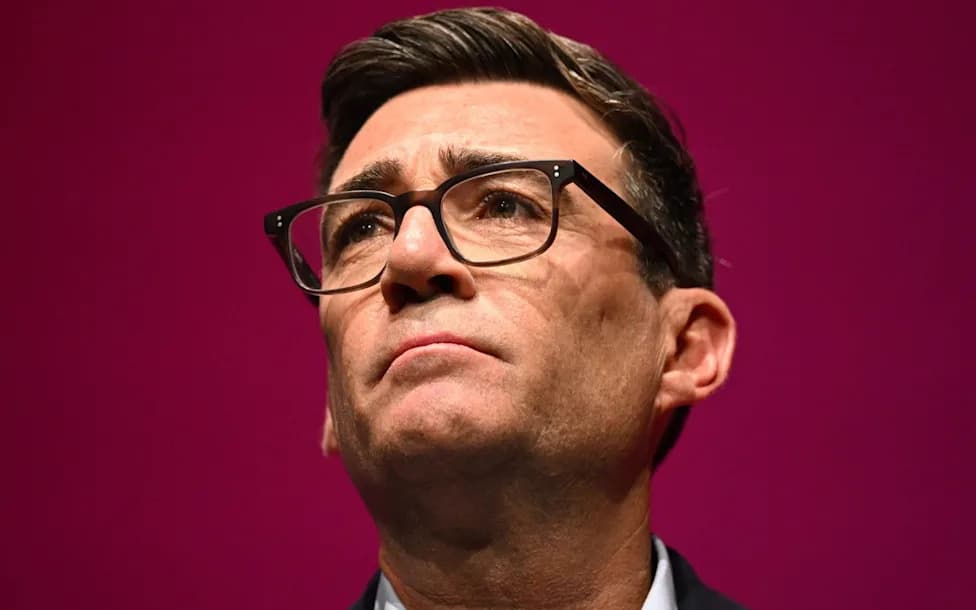
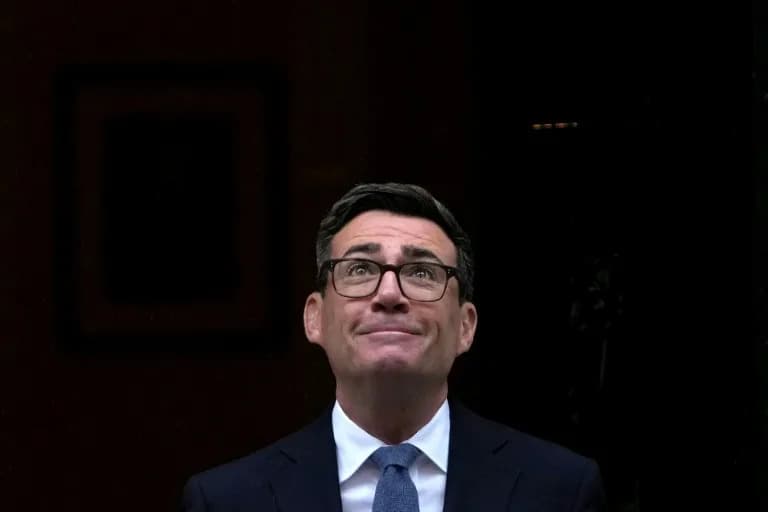
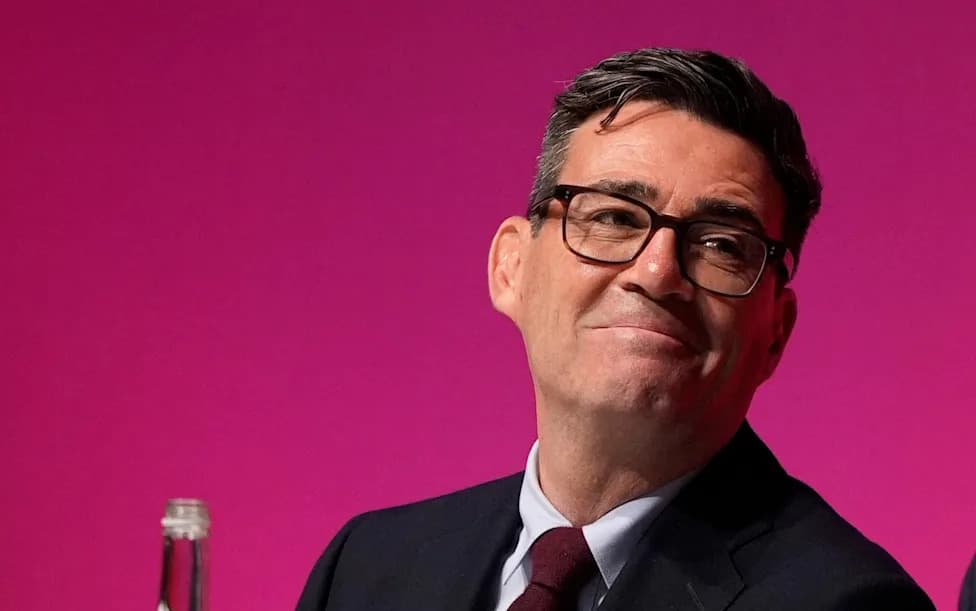
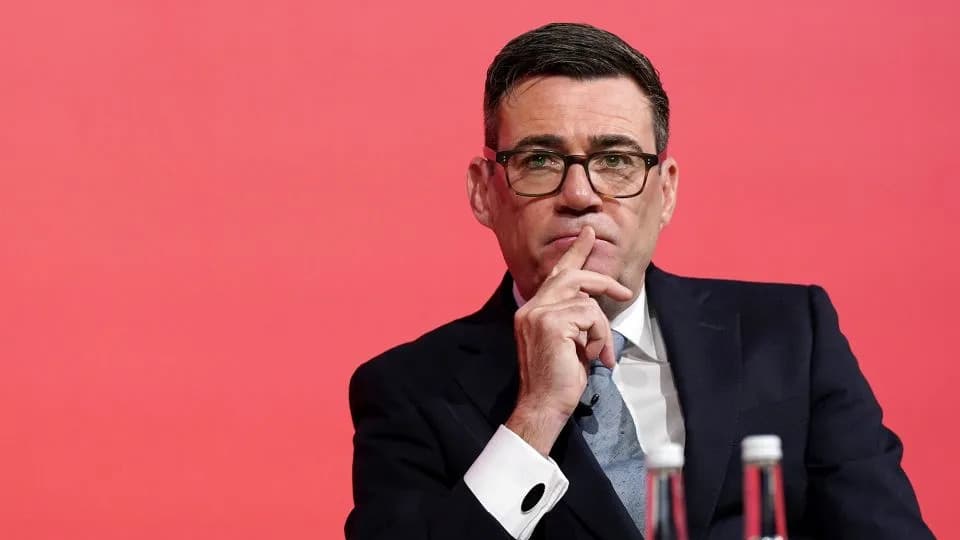
Burnham plans to spend the next three years fighting an election campaign rather than getting things done - Getty Images
A curious paradox hung over Labour's conference in Liverpool: a mood of celebration and vindication inside the arena contrasted with an unexpectedly muted political debate about the party's future direction.
Scenes From Liverpool
Inside the venue, supporters chanted "Burnham Baby Burnham" to the tune of "Disco Inferno" while queuing for coffee, and outside the arena speakers looped the Game of Thrones soundtrack to celebrate the self-styled "King of the North." Activists brandished placards for causes as varied as freeing Lucy Letby and pedestrianising parts of the M6. The book corner drew readers to Andy Burnham's Head North and Adam Rutherford's How to Argue with a Racist.
Energy Without Direction
Despite those moments of theatre, the conference often felt subdued. Crucial questions about what Labour will do to materially improve life in Britain before 2029 received scant attention. A fringe panel on apprenticeships — relevant amid a growing NEETs (young people not in education, employment or training) crisis — was half-empty, and discussion slipped into technocratic minutiae about regional mayor brokerage pilots and funding tweaks. A separate debate on the cost of living tilted toward proposals for "cleverly designed" rent controls and energy subsidies that would require intrusive data collection.
Stuck In The Rabbit Hole
Faced with an overburdened state, the centre-Left reflex seemed to be layering on more governance: further devolution, coordination hubs, extra data gathering, new quangos and calibrated "policy dosages." Those approaches felt circular, procedural and uninspiring — the kind of incrementalism that risks alienating grassroots activists seeking serious reform.
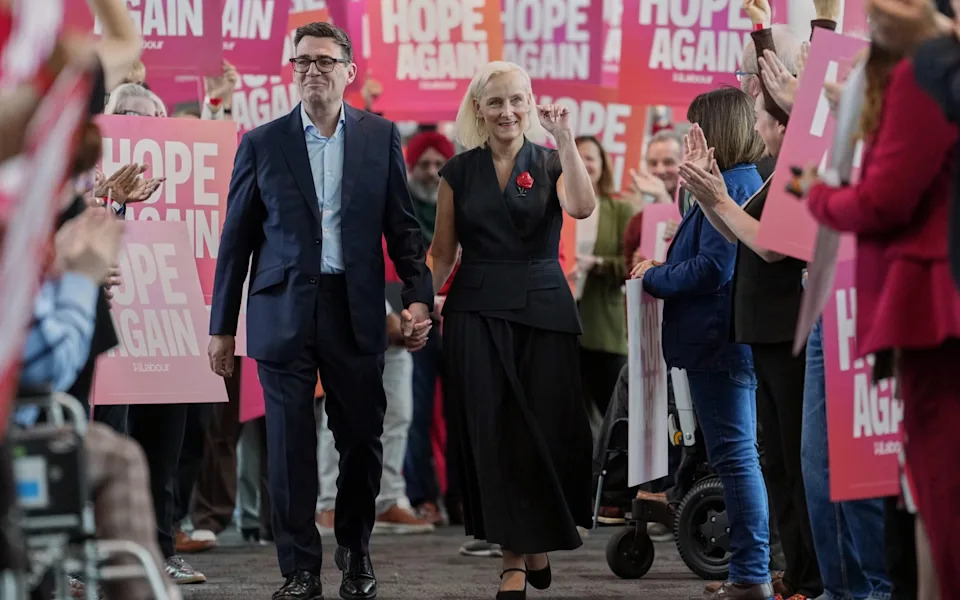
Placard-wielding activists were out in force supporting Andy Burnham and his wife Marie-France van Heel - AP
Policy Posture: Electoral Shape More Than Structural Fixes
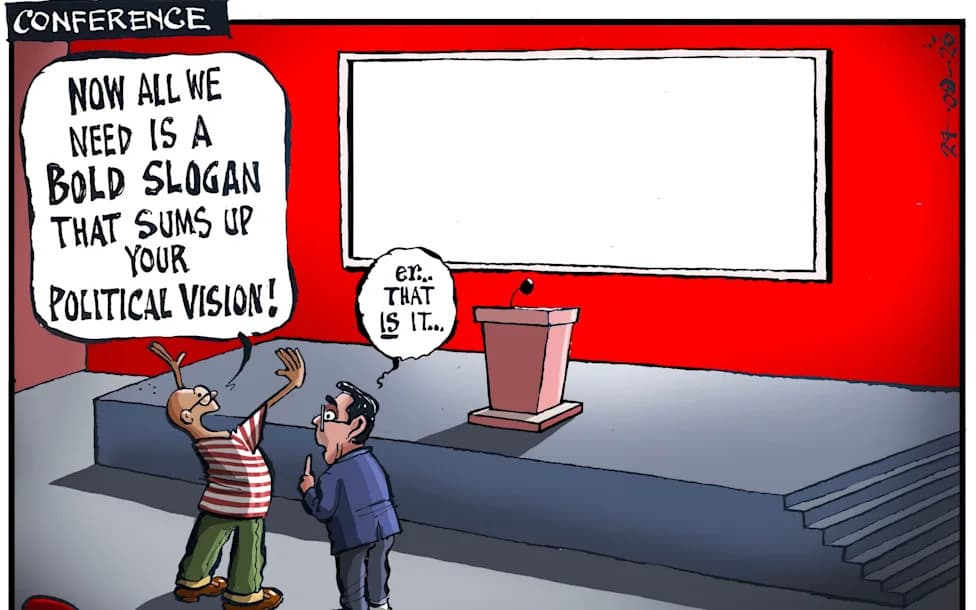
The conference functioned more as a starting gun for the party's 2029 election campaign than as a platform for decisive reform. The leadership's central announcement — a proposal to end the triple lock in 2030 — alongside pledges to build more council homes, nationalise water and establish a state-owned electricity company, read as electoral positioning rather than a coherent plan to resolve deep structural problems.
What Boldness Would Look Like
If the leadership wanted to demonstrate genuine courage, the speech could have set out a program of immediate, contentious reforms to be drafted and implemented: an overhaul of Personal Independence Payments (PIP) with tighter medical criteria where appropriate; tougher, clearer rules for disability benefits; and automatic planning consent for developments that meet robust minimum standards to unblock housebuilding.
Politics And Prudence
Some inside Labour warn that Mr Burnham is haunted by the missteps of recent Conservative leaders: the risks of over-promising measurable quick wins, as argued in critiques of Rishi Sunak's approach, and the backlash from springing controversial plans without groundwork, as with Theresa May's "dementia tax" episode. Yet the alternative — spending three years primarily on an election campaign without delivering structural reform — carries its own hazards.
Conclusion: The Liverpool conference offered spectacle, slogans and policy skirmishes, but it did not deliver a clear, courageous program to fix the structural problems that will determine whether Britain improves materially before 2029.
Help us improve.