Sen. Martin Heinrich blocked unanimous consent on the GOP-backed Ratepayer Protection Act, saying it fails to compel data centers to pay for necessary grid upgrades. The House had passed the bill 417-3, but Heinrich proposed the stronger GRID Savings Act to give FERC authority over very large users; that effort was objected to. With the Senate leaving soon, passage before the midterms looks unlikely as policymakers grapple with rising AI-driven electricity demand.
Sen. Heinrich Blocks GOP Ratepayer Protection Act, Urges Stronger Law to Make Data Centers Pay
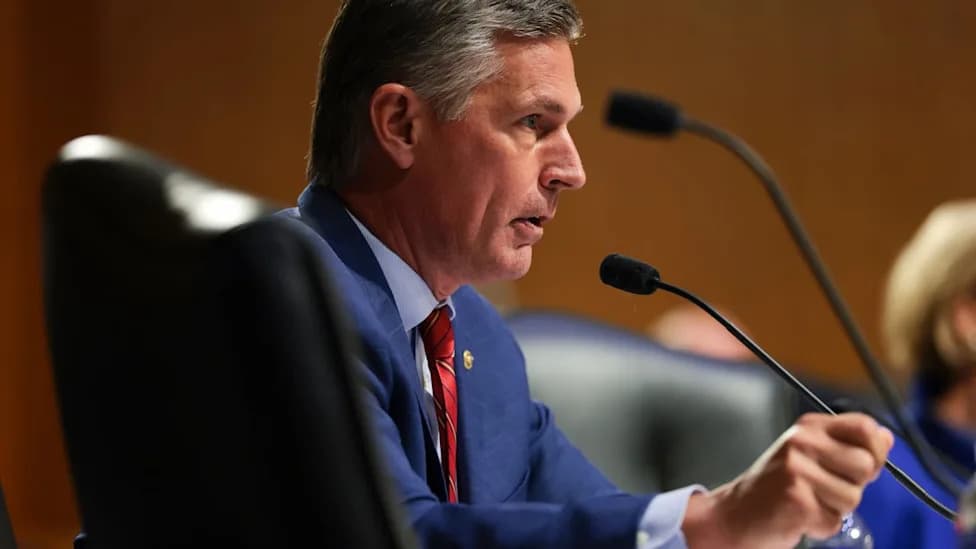
Senate Democrat blocked a data center utility cost bill from passing before the election hero image
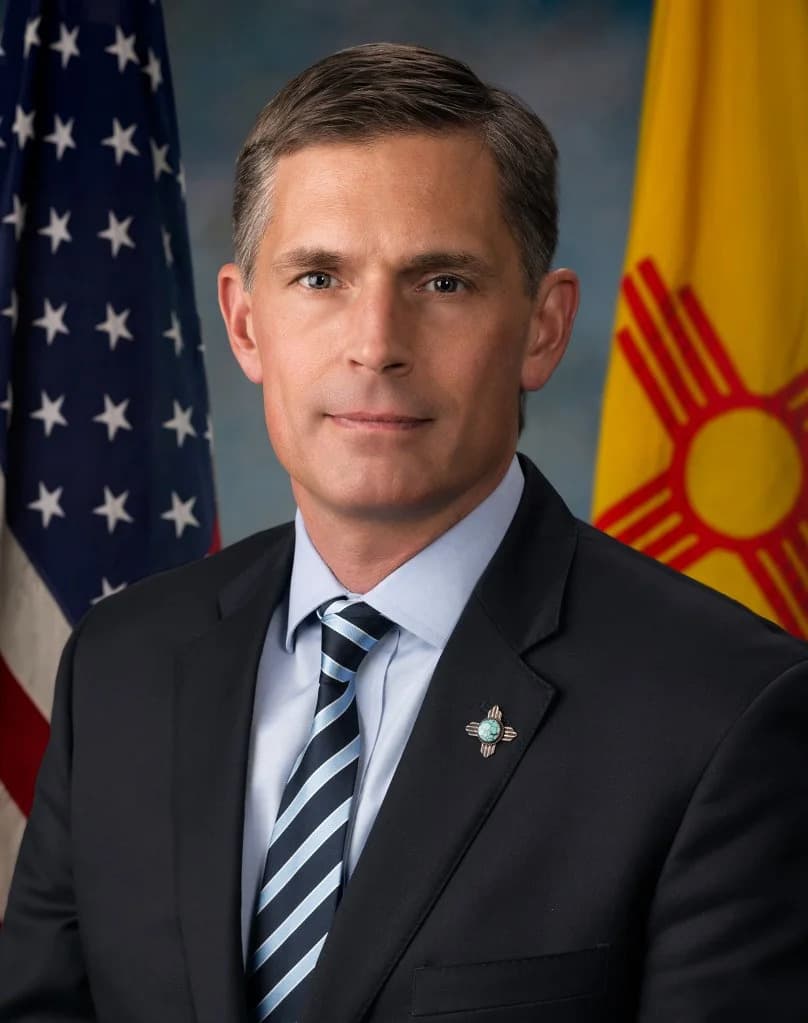
Sen. Martin Heinrich, New Mexico's senior Democrat and ranking member on the Senate Energy and Natural Resources Committee, on Thursday objected to unanimous consent to advance the Republican-backed Ratepayer Protection Act, saying the bill lacks meaningful enforcement to ensure data center operators shoulder the costs of grid upgrades.
What Happened
Sen. Jon Husted (R-Ohio) had asked the Senate to approve the measure by unanimous consent — a fast-track procedure that avoids a recorded roll-call vote — but Heinrich’s objection blocked that path. With the Senate scheduled to adjourn in two weeks, the bill is unlikely to move before November’s midterm elections.
What the Bill Would Do
The Ratepayer Protection Act would require states to hold proceedings to decide whether very large data center operators (those drawing 100 megawatts or more) should pay for new electric infrastructure tied to their demand. However, the bill does not compel states to adopt such rules nor does it mandate that tech companies actually cover those costs, which is the core of Heinrich’s objection.
"It's not enough for us to tell states to consider making data centers pay for grid updates," Heinrich said on the Senate floor. "Rather than voluntary pledges or suggestions to states, Congress needs to pass real legislation with real teeth."
An Alternative Proposed
Heinrich then offered a unanimous-consent request for the GRID Savings Act of 2026, an alternative measure that would give the Federal Energy Regulatory Commission (FERC) authority over facilities pulling 150 megawatts or more and would require such operations to cover the infrastructure costs their demand imposes. That request was objected to by Sen. Bernie Moreno (R-Ohio).
Sen. Husted, who faces a competitive reelection contest, said he would continue pressing the legislation: "It is a shame that this opportunity has been missed today, but I will be back to push this issue forward."
Context
The House approved the Ratepayer Protection Act the previous evening by a 417-3 margin; the three opposing votes came from progressive Democrats Reps. Summer Lee (PA), Delia Ramirez (IL), and Rashida Tlaib (MI). The bill builds on a White House pledge that was later expanded to include nearly 200 utilities, data center developers, and governors asking signatories to commit — on a voluntary basis — to having developers, not consumers, cover certain grid-upgrade costs.
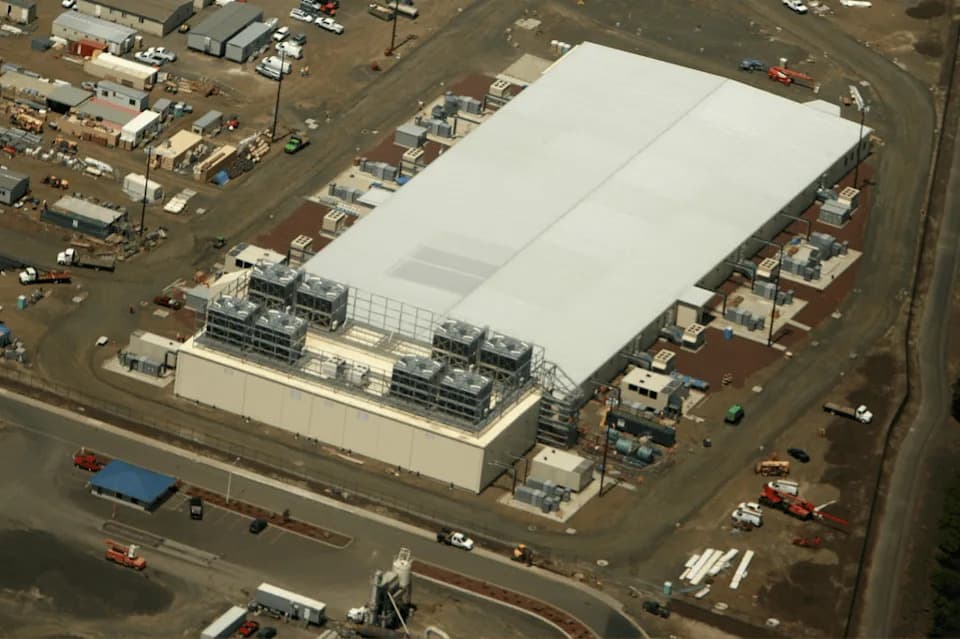
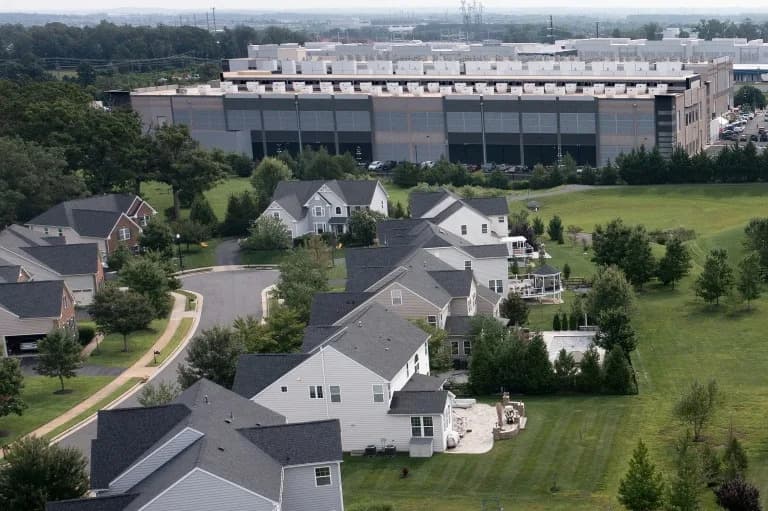
Data center electricity demand has become a policy flash point as investment in artificial intelligence drives large new facilities and higher power draws. The House Energy and Commerce Committee had approved the bill 52-0 in July before the full House vote.
Outlook
Given the objection, the close Senate calendar, and competing proposals about how to apportion infrastructure costs, movement on federal legislation appears unlikely before the midterm elections. The debate highlights a broader policy question: how to balance rapid AI-driven demand growth with equitable cost allocation for grid upgrades.
Help us improve.