Michelle Bisnoff, 59, was convicted by a federal jury in Orange County for running a Ponzi‑style scheme that siphoned nearly $2 million by falsely promoting Esos Rings Inc. as a booming smart‑ring business with major retail deals and prominent backers. Prosecutors say investors were told of deals with Target, Walmart sales, and buyback promises — claims investigators found were untrue. Officials allege most investor funds paid for Bisnoff's personal expenses and Ponzi‑type payouts; she faces sentencing Jan. 21 in Santa Ana.
Smart‑Ring Ponzi: Jury Convicts Woman in Scheme That Stole Nearly $2 Million
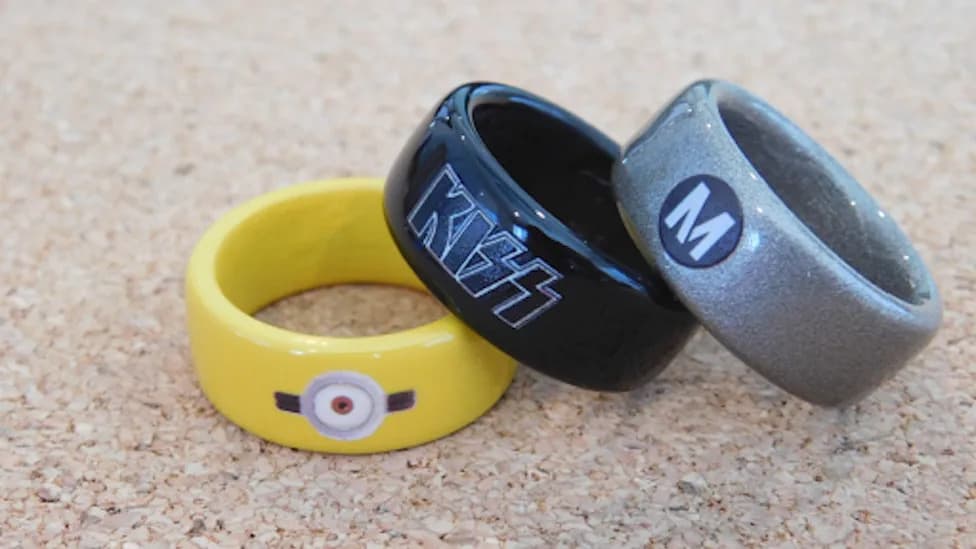
Photo Credit: U.S. Attorney's Office for the Central District of California
A federal jury in Orange County has convicted Michelle Bisnoff, 59, of Boca Raton — a former resident of Pacific Palisades and Santa Barbara who has used the names Michelle Angeline Silverstein and Shelly Silverstein — for operating a Ponzi‑style scheme that defrauded investors of nearly $2 million by promoting a fictional boom in smart‑ring sales and fabricated retail partnerships.
Conviction and Charges
Jurors found Bisnoff guilty on multiple felony counts: six counts of securities fraud, six counts of wire fraud and two counts of money laundering. Prosecutors say Bisnoff presented herself as the U.S. business developer for McLear Ltd.'s patented payment rings and then represented that she controlled a key patent and led Esos Rings Inc., a company she portrayed as rapidly expanding and profitable.
False Claims to Investors
According to federal prosecutors and reporting by the Los Angeles Times, Bisnoff told investors their funds would be used to expand inventory and fulfill orders being shipped to major retailers such as Target and Walmart. She also allegedly claimed investment or endorsement from big names including Apple Inc. and Roc Nation and promised investors that Esos would repurchase their shares at a premium.
What Investigators Found
Federal investigators determined those claims were false or misleading: Esos Rings had minimal revenue, no verified distribution agreement with Target, and no investments from Apple or Roc Nation. The Justice Department reported Esos sold six rings on Walmart.com, three of which were later returned. Officials say most of the invested money was diverted to Bisnoff's personal expenses — including rent — and to Ponzi‑style payments used to sustain the scheme.
Next Steps
Bisnoff is scheduled to be sentenced on Jan. 21 in U.S. District Court in Santa Ana.
Broader Context
Prosecutors and reporters note this case alongside other recent investor scams that resulted in criminal convictions or substantial consumer losses: a co‑founder of a celebrity‑backed eco‑bank was sentenced to 14 years for a $248 million fraud; federal agents completed a record cryptocurrency seizure before a guilty plea in a separate case; and consumers have lost savings after falling for fake banking or product claims.
Takeaway: The conviction highlights the risks of high‑tech product hype and the importance of verifying retail partnerships, patents and financial claims before investing.
Help us improve.