Victor Hugo Villalobos Almazan and Nayeli Noemi Montoya Rodriguez pleaded guilty to bank fraud after selling two San Diego properties they did not own and routing about $962,000 in proceeds through accounts they controlled. Villalobos received 27 months in federal custody and Montoya 10 months. Investigators say conspirators used lookalike email accounts, forged transfer documents and international wire transfers to move funds to Mexico and Jordan. The FBI urges owners and buyers to enable recording alerts and watch for red flags of owner-impersonation fraud.
Couple Sentenced After Selling San Diego Properties They Didn’t Own; Nearly $962K Routed to Mexico and Jordan

Image Credit: Shutterstock.
A husband and wife who admitted taking part in a scheme to sell San Diego real estate they did not own were sentenced to federal prison after nearly $962,000 in fraudulent sale proceeds were routed through bank accounts they controlled and moved overseas.
Case Details
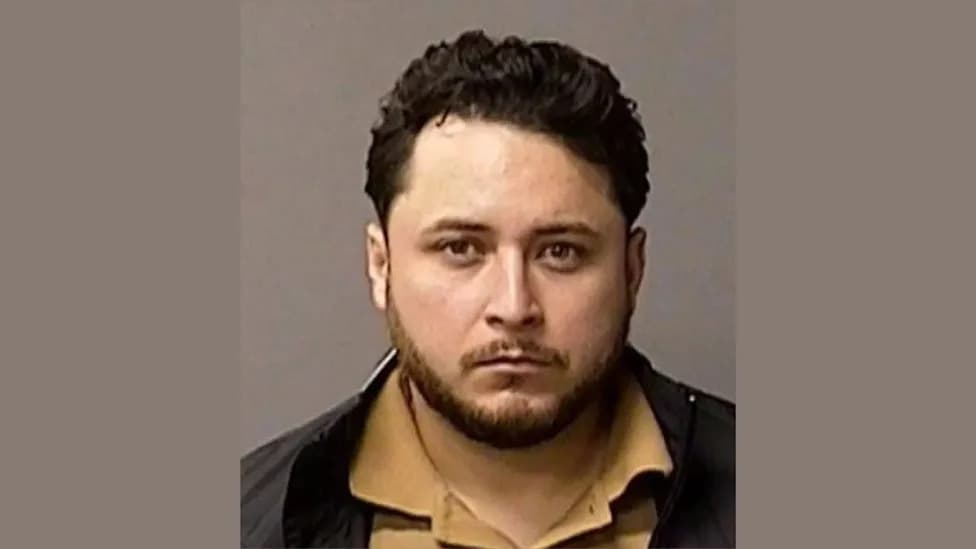
Victor Hugo Villalobos Almazan, 48, was sentenced to 27 months in federal custody, and his wife, Nayeli Noemi Montoya Rodriguez, 48, received a 10-month sentence. Both Mexican nationals entered the United States on tourist visas. U.S. District Judge Dana M. Sabraw imposed the sentences on September 4, 2026, after the couple pleaded guilty to bank fraud in June 2026.
How the Scheme Worked
According to the U.S. Attorney's Office for the Southern District of California, members of the conspiracy impersonated legitimate property owners, created email addresses that closely resembled those of the real owners, and used forged documents to transfer title and sell properties to unsuspecting buyers.
The conspirators conducted the transactions almost entirely by email, which let them avoid meeting buyers in person and helped conceal their identities. They opened bank accounts using business names similar to the legitimate owners’ entities, deposited closing proceeds into those accounts, and then transferred funds abroad.
Properties, Proceeds and Transfers
- Two San Diego properties were involved in the scheme, generating more than $962,000 in sale proceeds.
- One transaction involved 3873 36th Street. Montoya admitted receiving $400,748.41 from that sale and transmitting nearly all of it to accounts in Mexico in April 2023.
- A second transaction involving 555 Hollister Street produced $561,463.25. Villalobos acknowledged withdrawing those proceeds by international wire transfers to accounts in Mexico and Jordan and via cash withdrawals.
Investigation, Arrest and Charges
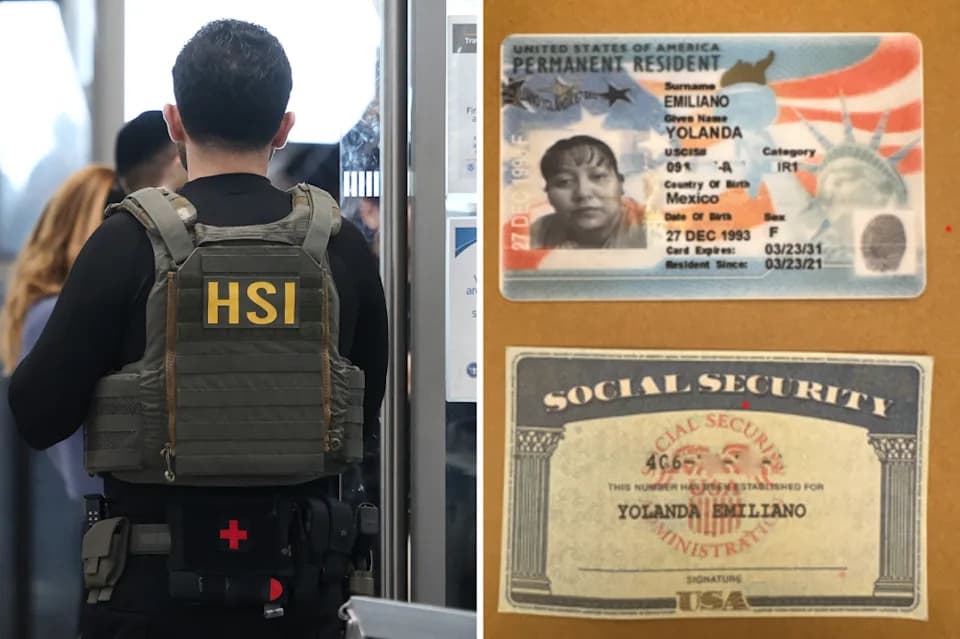
Homeland Security Investigations (HSI) and IRS Criminal Investigation led the probe, with Assistant U.S. Attorneys Christopher Beeler and David Kete prosecuting the case. Federal agents arrested Villalobos and Montoya on November 25, 2025, when they arrived at George Bush Intercontinental Airport in Houston on a flight from Mexico. They appeared in federal court the next day on charges including conspiracy to commit wire fraud and aggravated identity theft.
Surveillance evidence in the original complaint included photos of Villalobos dropping off documents to complete one fraudulent transfer and bank footage showing Montoya withdrawing funds from an account that received sale proceeds. A federal grand jury later returned a 15-count indictment charging the pair with wire fraud, aggravated identity theft, and money laundering; the case was resolved when they pleaded guilty to bank fraud in June 2026.
Prevention and Reporting
The FBI’s Internet Crime Complaint Center (IC3) warns that criminals can harvest owner information from public records, data brokers, stolen credentials, or phishing schemes, then create fake IDs, email addresses and phone numbers to carry out fraud.
Recommendations for property owners and buyers:
- Enable recording-notification services with your county recorder, register of deeds, appraisal district or county clerk to receive alerts when documents are recorded in your name.
- Watch for warning signs: sellers who communicate only by email/text, refuse in-person meetings, pressure for quick closings, provide inconsistent property details, or ask that proceeds be sent to unrelated accounts or names.
- Buyers can verify sellers by sending a certified letter to the address on the property’s tax record. Property owners should review title insurance to see if it covers forgery or legal costs to restore ownership.
- Report suspected owner-impersonation fraud to the FBI’s IC3 at IC3.gov and include supporting details such as email headers, IP addresses, phone numbers, social media accounts, and bank information.
Agencies involved: Homeland Security Investigations, IRS Criminal Investigation, U.S. Attorney’s Office for the Southern District of California.
Help us improve.