Divers filmed a stone wall and a large circular megalith about 75 feet below Lake Van in eastern Turkey. Matthew LaCroix suggests the fitted stonework and a >150‑foot causeway could belong to a lost city older than recorded history, but no stones have been independently dated. Geologists and archaeologists disagree on age—estimates range from thousands to tens or hundreds of thousands of years—and experts say sonar mapping and underwater archaeological study are needed to resolve the question.
Underwater Stone Wall and Megaliths Found in Lake Van — Discovery Near Alleged Noah’s Ark Site Raises Questions
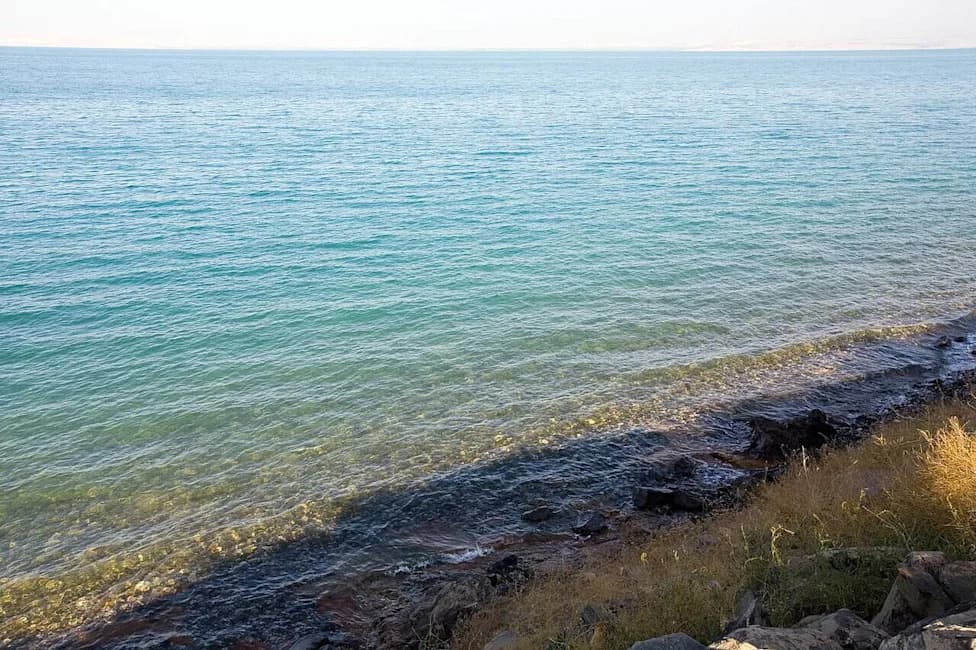
Lake Van, eastern Turkey, where divers have filmed a submerged stone structure | Image Credit: Wikimedia Commons / EvgenyGenkin (own work)
Divers exploring the bed of Lake Van in eastern Turkey have filmed a substantial stone wall and a large circular megalithic feature about 75 feet below the surface. Independent researcher Matthew LaCroix, who publicized the footage on his show The Lost Civilizations Podcast, says the stonework may mark the edge of a city that predates recorded history.
What Was Found
The visible wall rises in seven courses of fitted stone to more than eight feet and includes three stepped levels leading toward a large circular structure on the lakebed. LaCroix and the dive team reported a linear feature they interpret as a causeway, which LaCroix measured at more than 150 feet and which appears to continue into areas of low visibility.
Who Filmed It
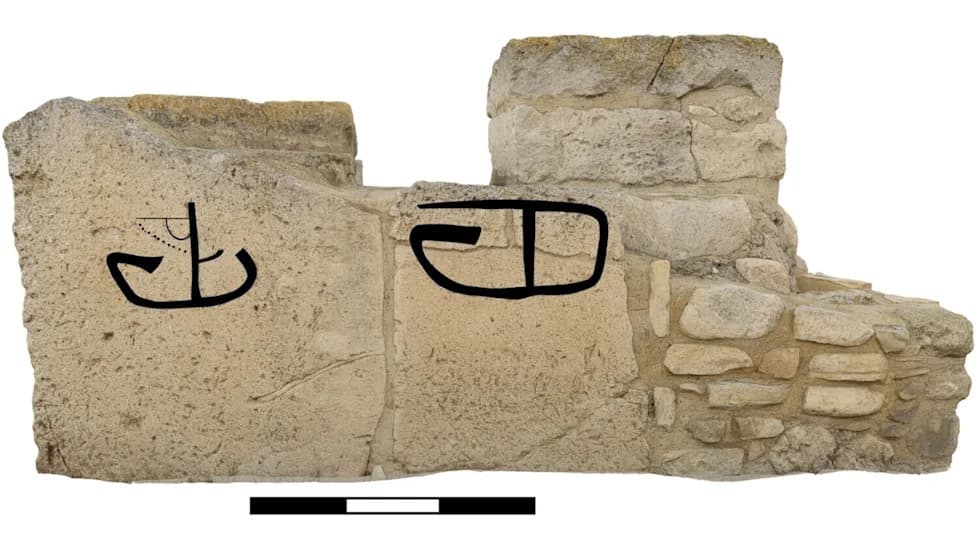
Turkish underwater filmmaker Tahsin Ceylan first drew attention to built features in this part of Lake Van in 2017. Recent footage by videographer Brandon Barnes and dives in 2025 with LaCroix have produced clearer images, including a capstone LaCroix describes as bearing a six‑spoked motif sometimes called the "Flower of Life."
Age And Interpretation — Disagreement Remains
The central dispute is the age and origin of the structures. LaCroix argues from geological reconstructions that the features must predate the refilling of the basin. Geologists note that lava flows from Mount Nemrut blocked Lake Van's outlet during the Pleistocene; many date that sealing flow to the middle Pleistocene (on the order of ~250,000 years ago), though some estimates cited by proponents of an older site place the event much later (e.g., ~40,000 years).
Expert Caution: Most archaeologists favor a far younger date for the visible masonry. Some suggest an Urartian origin (~3,000 years ago), while others propose medieval builders reused older stones.
What’s Missing
No stones recovered from the lake have been independently dated, and no controlled archaeological excavation has yet established that the features belong to an urban settlement. Until sediment cores, material sampling, radiometric dating and stratigraphic excavation are performed, the site's provenance and age remain speculative.
Practical Challenges And Next Steps
Lake Van's lack of an outlet means fine sediment remains suspended for long periods, making underwater visibility highly variable; LaCroix reports clear conditions typically last only from about 5 a.m. to 11 a.m., and his own bottom time at the circular structure was roughly eight minutes. Experts say high‑resolution sonar mapping, remote sensing, and investigation by trained underwater archaeologists will be required to determine whether the causeway and other features are man‑made and to trace their extent.
Context: The lake lies roughly 90 miles from Mount Ararat, the mountain some traditions identify as the resting place of Noah's Ark; proximity alone does not establish any link between the finds and the Ark narrative.
Reported Sources: The Lost Civilizations Podcast, National Geographic, Anadolu Agency, ScienceDirect, Daily Mail. Further peer‑reviewed analysis and independent fieldwork are needed to evaluate competing interpretations.
Help us improve.