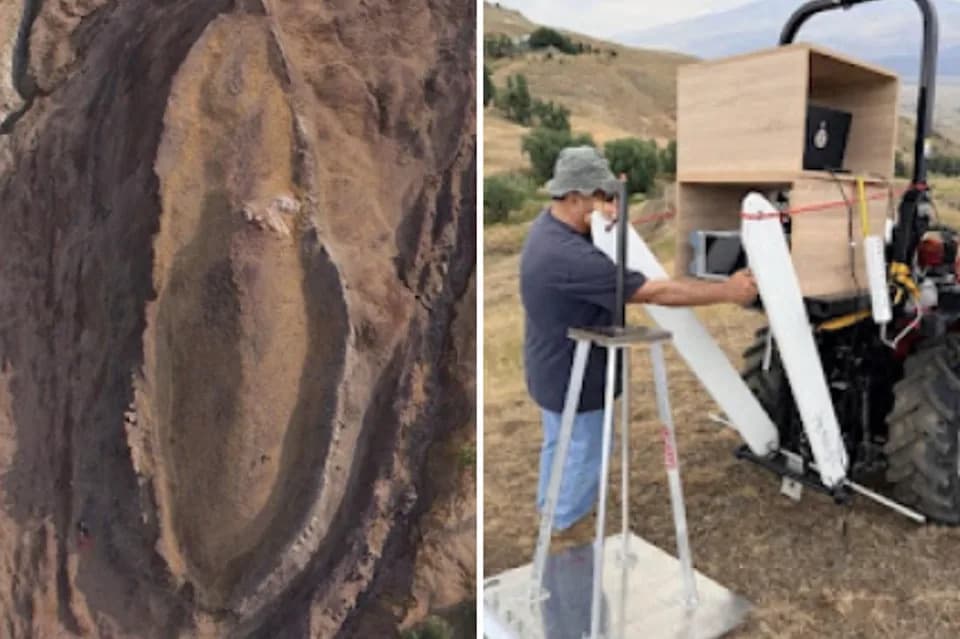
An international team studying the Durupınar formation near Mount Ararat says new evidence shows the boat-shaped mound is "100%" man-made and may be the remains of Noah's Ark. Scans reportedly reveal a three-part lower layer with chambers and tunnels; core drilling struck a very hard layer that shattered a drill bit. Organic material has been recovered and is being tested for decayed or mineralized wood. The researchers emphasize that independent laboratory analysis and peer review are still needed before a definitive conclusion can be drawn.
Researchers Say Durupınar Formation Near Mount Ararat Is '100% Man-Made' — Noah's Ark Debate Reignited
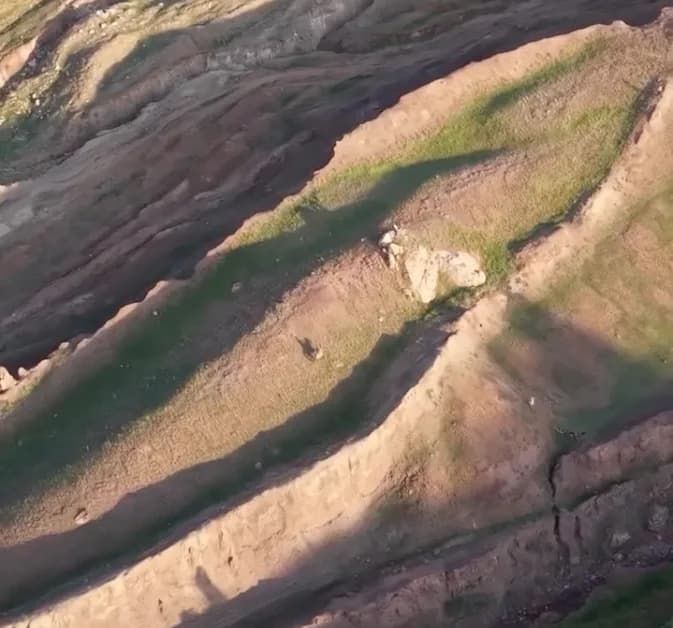
Noah's Ark Scans/Instagram
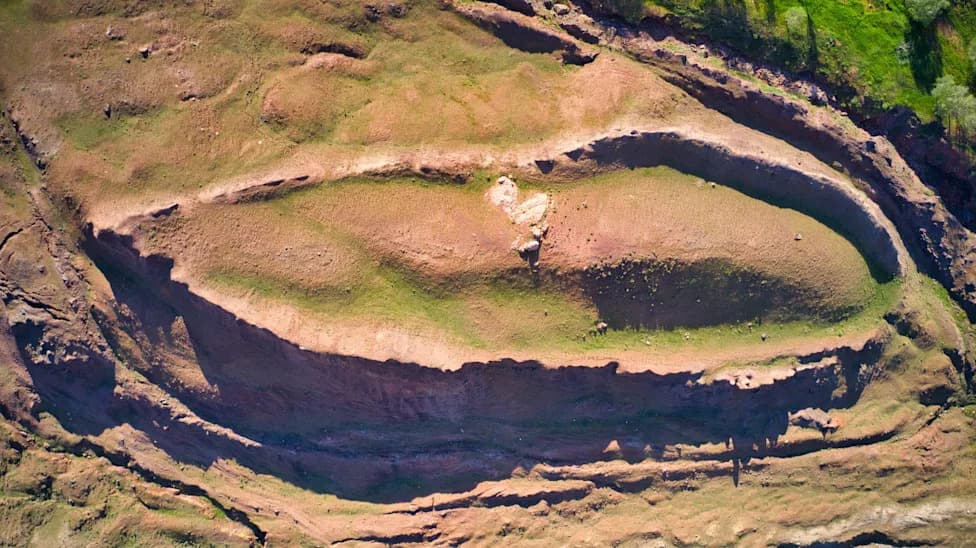
A team investigating a boat-shaped mound near Mount Ararat in eastern Turkey says new evidence indicates the Durupınar formation is an ancient man-made structure and could be the remains of Noah's Ark.
New Claims and Ongoing Tests
In a September 22 interview with the Daily Mail, members of an international research team said they have now “100 percent confirmed” that the Durupınar site is man-made rather than a naturally sculpted geological feature. The researchers report the formation is not simply solid bedrock or typical limestone and describe a complex internal arrangement that they say merits further study.
“This destroys the theory the site is a solid limestone block shaped into a boat by glaciers and weathering after coming down the mountainside,” said Andrew Jones, founder of Noah's Ark Scans, which has led much of the recent fieldwork. “And it also refutes the theory that this is bedrock around which mud flowed to form the shape.”
The team reports that ground-penetrating scans show the lower layer of the formation divided into three distinct sections, with numerous chambers, corridors and tunnel-like voids—features the researchers note are reminiscent of the biblical description of a vessel with three decks. Andrew Jones, a software developer who first visited the site in 1997, said the project has recovered organic material that is now undergoing laboratory analysis for evidence of decayed or mineralized wood.
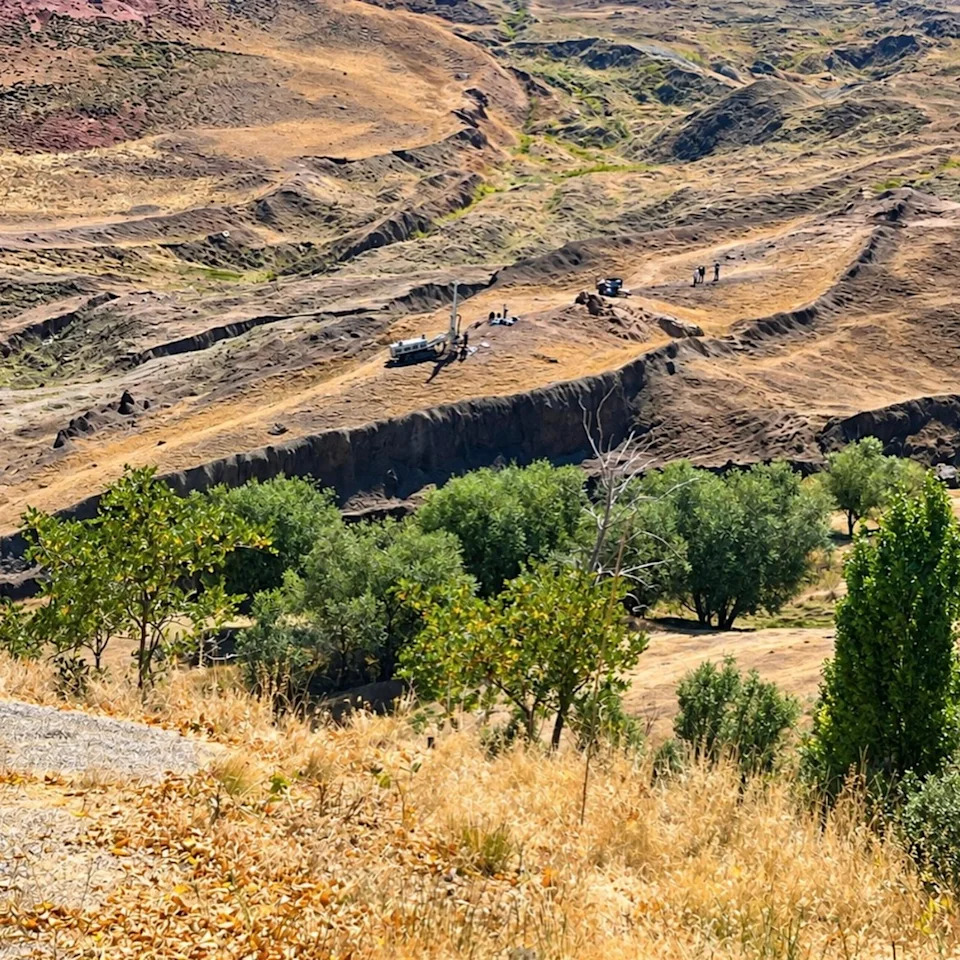
Noah's Ark Scans/Instagram
Core Drilling Encountered Hard Material
In a press release dated September 23, Jones described a breakthrough during core drilling: after penetrating softer overlying deposits, the drill bit struck an unexpectedly hard layer and shattered. The team says this could indicate petrified wood or heavily mineralized organic material, but they emphasize that independent laboratory confirmation is required to determine the exact composition.
Previous scientific investigations concluded the Durupınar formation is a natural geological feature, and those conclusions are still cited by many geologists. Jones and his collaborators stress that their most recent samples are still being analyzed and that final conclusions must await independent testing and peer-reviewed publication.
What This Means: The new fieldwork and reported finds have revived public interest and scientific debate. While the team presents provocative new data, the claim that the site is Noah's Ark remains unproven until independent laboratories verify the organic material and other samples.
Location and Background: The Durupınar site lies near Mount Ararat in eastern Turkey and has attracted investigators and enthusiasts for decades. Interpretations that link the site to the biblical Ark draw on both the mound's distinctive boatlike shape and historical interest in locating flood narratives' archaeological traces.
Help us improve.