Senator Luis Donaldo Colosio Riojas and federal deputy Iraís Reyes have reportedly introduced an initiative to tighten consumer protections for digital sales in Mexico. The proposal would require storefronts to disclose at sale whether a purchase is an ownership or a license, ensure some continued access after servers shut down, and mandate a local Mexican address for enforcement. The measure follows a 2026 antitrust complaint related to Sony and aligns with international preservation campaigns, but final text, scope and penalties remain unconfirmed.
Mexico Proposes Rules For Digital Sales: Require License Disclosure, Preserve Games, And Mandate Local Addresses
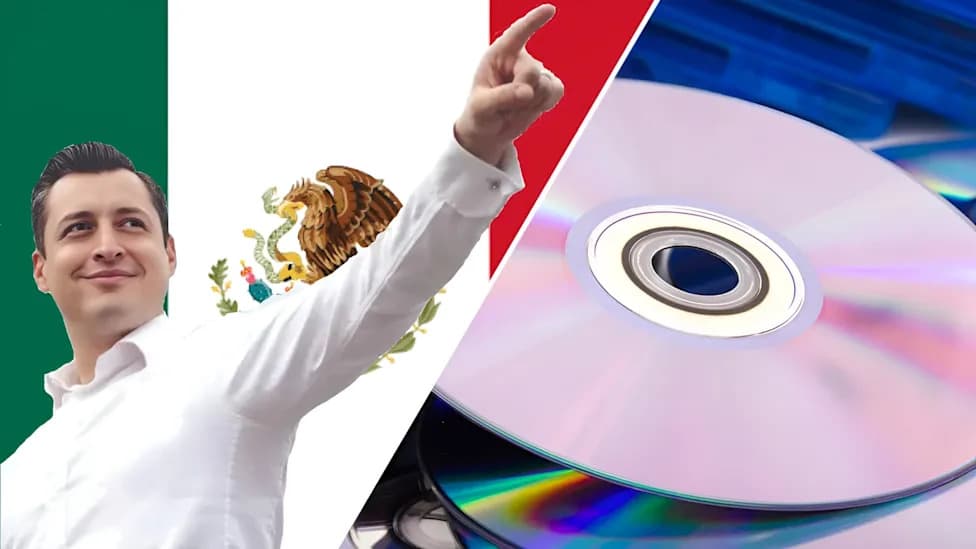
Image: Eurogamer
Mexican lawmakers have proposed new consumer protections aimed at how digital games and other downloadable products are sold and maintained in Mexico. Senator Luis Donaldo Colosio Riojas and federal deputy Iraís Reyes have reportedly introduced an initiative that would require clearer disclosure at the point of sale, preservation measures for purchases when servers are shut down, and a local business presence for digital storefronts operating in Mexico. Reported details remain provisional: no bill number, final legislative text or timetable has been confirmed.
What The Proposal Would Do
The initiative centers on three reported measures:
- License Disclosure: Sellers would need to make clear, at the point of sale, whether customers are purchasing ownership of a product or merely obtaining a license to use it. Backers say this distinction is often buried in long terms of service and can leave buyers paying full price for items they do not truly own.
- Preservation Of Access: Purchasers would retain some form of continued access to titles after official support or servers end. Available reporting does not specify the technical or legal mechanism companies would be required to provide.
- Local Enforcement Point: Companies selling digital goods in Mexico would be required to maintain a local Mexican business address so consumer-protection authorities and customers have a reachable legal entity for disputes.
“Everything you buy online must be yours, and if it isn’t, they must expressly tell you that what you acquired is a license,” Colosio and Reyes reportedly said in the initiative's publicity, as cited by Vandal El Español.
Why Now
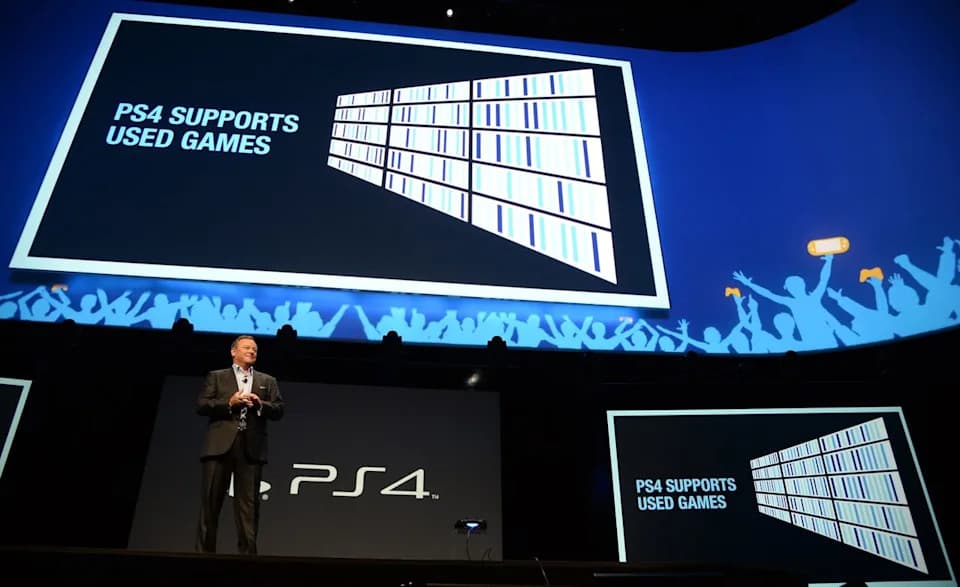
The initiative follows an antitrust complaint the two lawmakers reportedly filed in 2026 against Sony, prompted by reporting that Sony plans to stop producing physical PlayStation games from 2028. Supporters argue a shift toward digital-only distribution could concentrate control over pricing, terms and access with platform operators, making clearer consumer protections necessary.
The proposal also lines up with international advocacy such as the Stop Killing Games campaign, which pushes for rules that prevent purchased games from becoming completely unplayable after publishers end server support.
Open Questions And Pushback
Significant details are still unresolved: no official legislative text has been published; it is unclear which existing laws would be amended; whether preservation duties would apply only to online-dependent games or more broadly is unspecified; and no penalty framework for noncompliance has been reported.
Platform operators and publishers counter that digital licenses reflect software copyright, ongoing infrastructure costs and practical limits on maintaining servers indefinitely. Available reporting did not include a response from Sony to this specific initiative.
What Happens Next
The draft proposal highlights broader tensions between national consumer protections and global digital platforms. If advanced through Mexico’s legislature, the rules could influence policy debates elsewhere about ownership, long-term access and accountability for digital purchases.
Help us improve.