The Consumer Rights Wiki has catalogued at least 44 explicit instances — and points to hundreds more — where Sony’s own wording describes PlayStation digital purchases as "owned." Plaintiffs argue that terms like "buy," "purchase," and "own" could reasonably lead consumers to expect a lasting right, while Sony maintains purchases are revocable licenses and seeks private arbitration under PSN terms. With Sony ending disc production in January 2028 and digital sales comprising the majority of purchases, a public trial could set important precedent for how platforms disclose digital ownership.
Wiki Documents 44+ Times Sony Said Players “Own” Digital Games — Lawsuit Targets PlayStation Store Language
Credit: ROBYN BECK/AFP via Getty Images
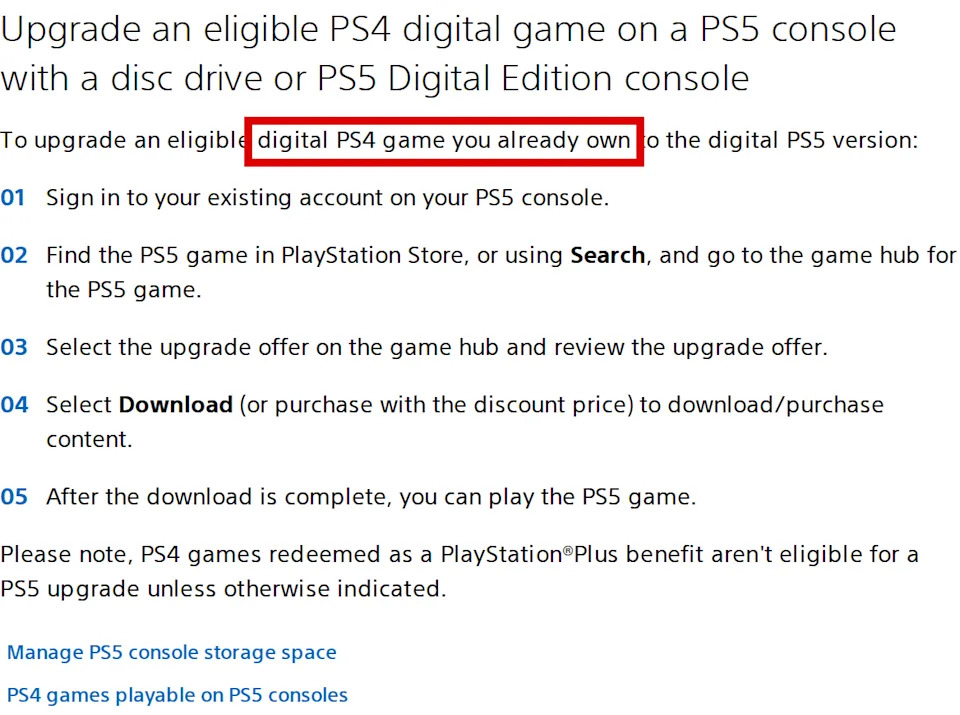
Consumer Rights Wiki has compiled at least 44 documented instances — and points to hundreds more — where Sony’s own pages use words such as "buy," "purchase" and "own" when referring to digital PS4 and PS5 games. That archive now plays a central role in an ongoing lawsuit challenging how Sony describes purchases on the PlayStation Store.
What the Lawsuit Says
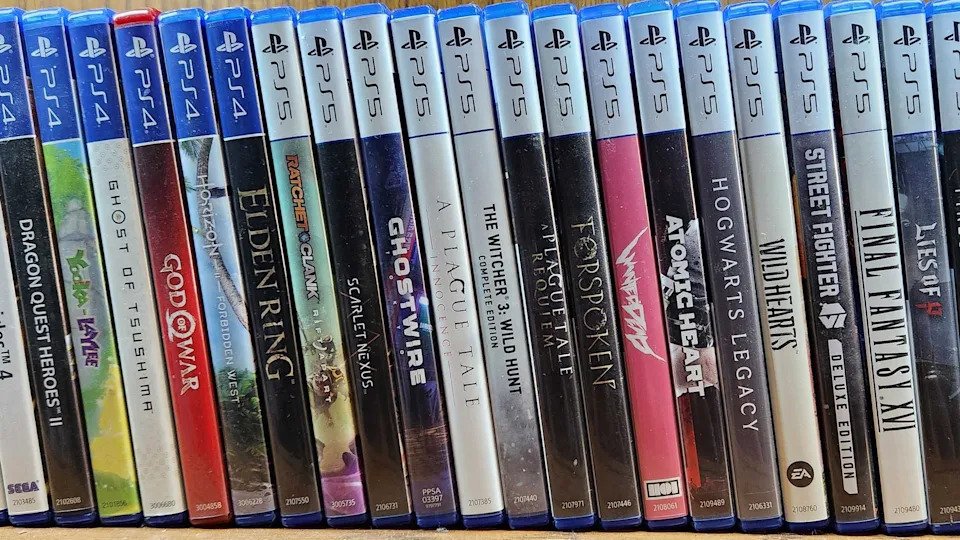
The plaintiffs argue that Sony’s repeated use of ownership language could reasonably lead consumers to believe they receive a lasting right to use the game — not a short-term, revocable license. They emphasize that buyers expect durable access when they click "Purchase" and receive a download, especially when store pages and account libraries use ownership-oriented wording.
Whose games, exactly? | Credit: Zak Killian/Future
Sony’s Defense
According to Sony, "reasonable consumers would not be misled" into thinking they obtain ownership of digital games; rather, purchases grant a limited, revocable license that lasts only while Sony provides the service.
Sony is also asking the court to move the dispute into private arbitration, citing PlayStation Network terms that, the company says, all four plaintiffs accepted. If arbitration is enforced, the matter would likely be resolved privately, often with modest payouts to plaintiffs.
Evidence From the Wiki
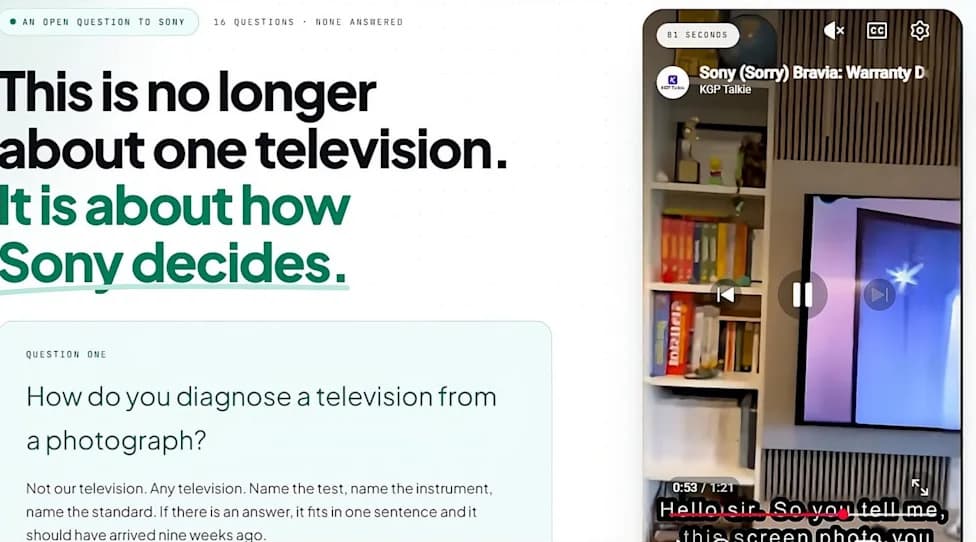
The Consumer Rights Wiki — founded by consumer advocate and YouTuber Louis Rossmann and built with community contributions — catalogs quotes, live links, archived snapshots and screenshots that highlight where Sony’s materials use ownership language. The archive is intended to demonstrate a pattern that contrasts with Sony’s current legal position.
There are many more examples like this on the Consumer Rights Wiki page about the lawsuit. | Credit: Screenshot of Sony Interactive Entertainment website — source:Consumer Rights Wiki, licensed underCC BY-SA 4.0. Screenshot by unknown author. No modifications.
Why This Matters Now
The issue has taken on added urgency because Sony announced it will stop producing physical game discs in January 2028, making the PlayStation digital store the primary channel for new game purchases. Industry reporting suggests a large majority of PlayStation purchases are already digital (estimates up to about 85%), which makes clarity around what "purchase" means more important for consumers.
Many players are also concerned about recent price increases on major releases — a trend from roughly $60 to $70 and now up to $80 for some high-profile titles — which amplifies frustration when buyers feel they don’t truly "own" what they paid for.
Possible Outcomes
If the court sends the case to arbitration, the dispute will likely be resolved privately with limited public impact. If the case proceeds to a public trial — potentially in California — a court ruling could set significant precedent on how companies describe digital sales and what disclosures they must make to consumers.
Bottom line: The Wiki’s archive strengthens the plaintiffs’ argument that Sony’s own communications sometimes imply ownership of digital games, contradicting the company’s present legal stance. Many consumer advocates are watching closely for whether the courts will allow a public hearing and a potential legal precedent on digital ownership and disclosure.
Help us improve.