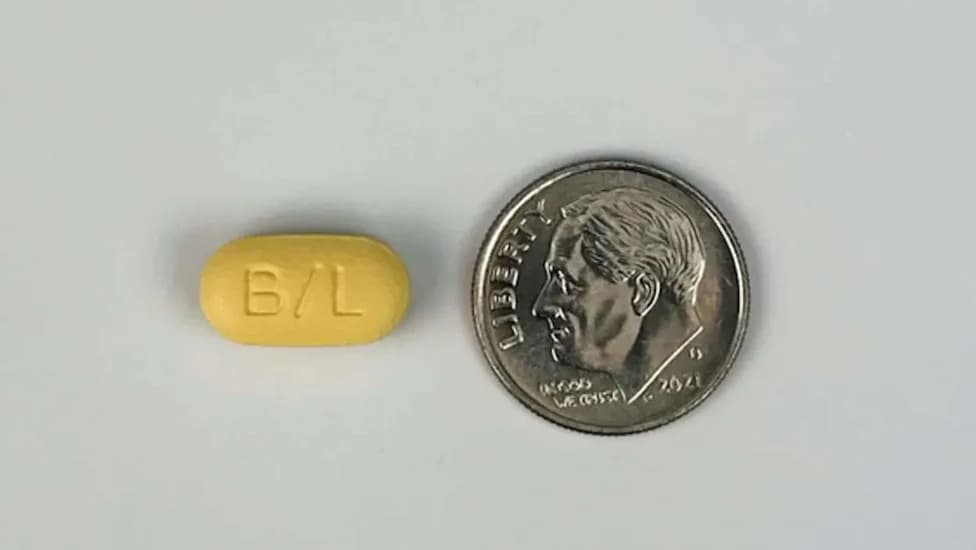
Mirum Pharmaceuticals reported that brelovitug met the 24‑week composite primary endpoint in the AZURE‑1 Phase IIb/III trial, with 56% (300 mg) and 45% (900 mg) of patients achieving virologic response plus ALT normalization. Week 48 data showed sustained and deepening viral suppression and increased ALT normalization rates, indicating durability. The drug was generally well tolerated, with injection‑site reactions the most common adverse event and no serious events reported through 24 weeks. Mirum expects AZURE‑4 readout in Q4 2026 and plans a US BLA in H1 2027 aiming for potential launch in Q4 2027.
Mirum's Brelovitug Meets Primary Endpoint in AZURE-1; Durable 48‑Week Data Support US BLA Plans
Mirum will now await results from its second Phase III HDV study on brelovitug
Mirum Pharmaceuticals reported positive results from its AZURE-1 Phase IIb/III study of brelovitug, an investigational therapy for chronic hepatitis delta virus (HDV). The 48-week trial met its 24-week primary composite endpoint and showed sustained, deepening viral suppression and increasing rates of liver enzyme (ALT) normalization through week 48.
Trial Design and Primary Endpoint
AZURE-1 (NCT06907290) enrolled treatment‑naïve patients with chronic HDV and randomized them into three arms: weekly subcutaneous brelovitug 300 mg, weekly brelovitug 900 mg, and a delayed‑start arm that began 300 mg weekly after a 24‑week wait. Investigators evaluated a composite outcome at 24 weeks: virologic response plus alanine transaminase (ALT) normalization. Mirum defined virologic response as a ≥2 log10 reduction in HDV RNA from baseline or undetectable HDV RNA.
Efficacy Results
At the 24‑week primary endpoint, 56% of patients in the 300 mg arm and 45% in the 900 mg arm achieved the composite outcome of virologic response plus ALT normalization. These results met the trial’s primary endpoint and indicate meaningful antiviral activity with associated biochemical improvement.
Durability and Safety Through Week 48
Data from the Phase IIb portion through week 48 demonstrated durability of effect: rates of viral suppression deepened and ALT normalization rates increased with continued treatment. Brelovitug was generally well tolerated. The most common adverse event was injection‑site reaction; no treated patients experienced a serious adverse event by 24 weeks, and no new safety signals emerged through week 48.
Nancy Shulman, Mirum's executive vice president of clinical development, said brelovitug has late‑stage evidence as a “well‑tolerated, convenient, single‑agent” therapy that produces increasingly deep responses over time, including in patients with substantial liver inflammation, cirrhosis and clinically significant portal hypertension.
Norah Terrault, AZURE‑1 investigator and chief of the GI and liver division at USC Keck School of Medicine, described the combination of virologic response and ALT normalization as an encouraging signal for a long‑term treatment option and an important advance for patients with HDV.
Next Steps and Competitive Context
Mirum expects readout of a second late‑stage study, AZURE‑4 (NCT07298330), in Q4 2026. The company plans to include data from AZURE‑1 and AZURE‑4 in a US Biologics License Application (BLA) it anticipates submitting in H1 2027, targeting potential market entry in Q4 2027 if regulatory review proceeds as planned. Should brelovitug be approved, it would enter a market currently led by Gilead Sciences’ Hepcludex (bulevirtide‑gmod), which received US approval for chronic HDV in May 2026.
Overall, the AZURE‑1 results position brelovitug as a promising single‑agent option for chronic HDV, with evidence of sustained antiviral effect, biochemical improvement, and an acceptable tolerability profile to support further regulatory discussions.
Help us improve.