Recent studies find that while technology once allowed resource production to match population growth, ecological resources began to decline in the early 1960s, creating a decades-long overshoot. Fossil fuels largely masked that mismatch by boosting yields and extraction, but they are finite and now worsen climate pressures. Demographic change (potentially billions fewer people by 2200) would help over centuries, but immediate action—ending fossil-fuel dependence and investing in sustainable technologies and resilient food systems—is essential to avoid widespread scarcity.
We May Need Billions Fewer People by 2200 — Why the Planet Is Already Overdrawn

The Dangers of Overpopulation Never Went AwayEschCollection - Getty Images
Recent research warns that a century of fossil-fuel-driven growth has masked the ecological costs of rapid population expansion. Without deep and immediate changes to how we produce energy, food and materials, scientists say the planet may eventually be able to sustain billions fewer people by 2200. But demographic shifts take generations, so urgent technological and economic changes are also required to avoid widespread scarcity and social strain.
What The Studies Found
A paper in Environmental Research Letters analyzed roughly two centuries of population records and ecological-growth models. The authors conclude that while innovation and technology allowed resource output to keep pace with population growth for many decades, that balance began to reverse in the early 1960s. Since then, human demand has increasingly outstripped Earth’s regenerative capacity—creating a decades-long ecological overshoot.
"Earth cannot keep up with the way in which we are using resources," said lead author Corey Bradshaw of Flinders University. "It cannot support even today's demand without major changes... we are pushing the planet harder than it can possibly cope."
How Fossil Fuels Hid The Problem
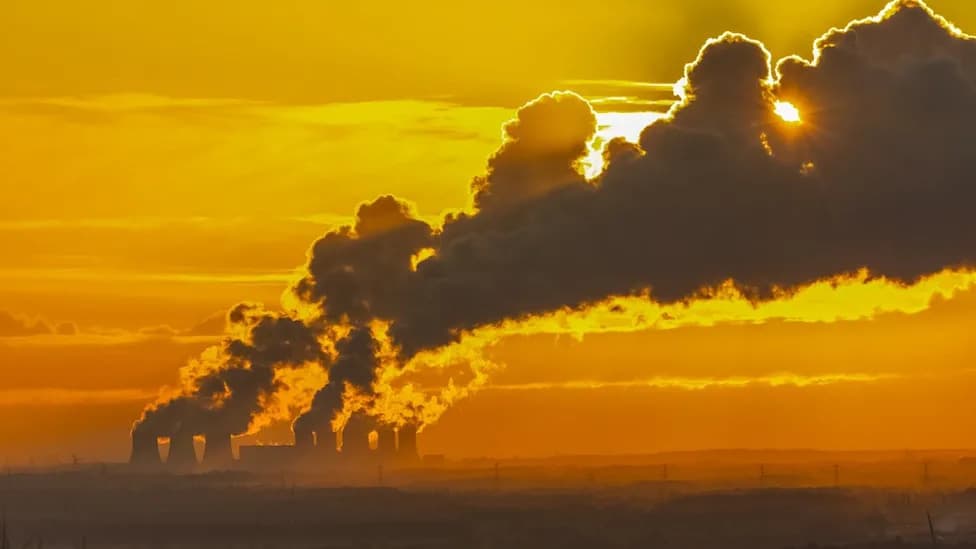
One major explanation: concentrated, finite fossil fuels have temporarily papered over the contradictions between continual population growth and finite biosphere limits. Cheap, dense energy boosted agricultural yields, extraction rates and industrial output, letting economies grow without immediately confronting ecological constraints. As the study notes, many modern economies still presume uninterrupted growth and do not internalize the declining regenerative capacity of ecosystems as climate disruption intensifies.
Signs Of Strain Today
The first signs of ecological stress tend to show up in agriculture and supply chains rather than sudden starvation. The World Economic Forum and other analysts warn that rising fertilizer costs, water stress, soil loss and climate-driven crop disruptions can trigger cascading price shocks and reduce yields. High population density is also associated with greater pandemic risk and widening income inequality—factors that can erode quality of life and social resilience. Under extreme pressure, societies might adopt or impose resource-ceiling approaches such as limitarianism, which places egalitarian limits on individual consumption.
Demographic Projections And Policy Proposals
Today’s global population is roughly 8.3 billion. Some models cited by the Environmental Research Letters paper project a continued rise toward about 12.4 billion around 2070 before an eventual decline. A separate paper in the journal Sustainable Development argues that a long-term target of roughly four billion people by 2200 would substantially reduce CO2 emissions, freshwater and energy use, mineral extraction, plastics production and biodiversity loss. But those demographic changes would span many decades; they are not a near-term fix.
What Needs To Be Done Now
Because demographic shifts and ecological recovery take generations, policy and technology must act faster. Key priorities include accelerating the transition off fossil fuels, investing at scale in low-carbon and regenerative agriculture, redesigning economies to operate within planetary boundaries, and strengthening social systems to manage scarcity equitably. These combined efforts—policy, innovation and behavior change—offer the best chance to avoid entrenched scarcity and social disruption.
History offers cautionary examples: the population debate dates back to Malthus in 1798, and 20th-century warnings such as The Population Bomb and cultural touchstones like the film Soylent Green reflect longstanding anxieties. The new research does not suggest a simple or immediate remedy, but it does make clear that relying on fossil-fuel subsidies to postpone hard choices is both risky and increasingly untenable.
Addressing the challenge will require international cooperation, decisive climate action, and investments in technologies that increase resilience and reduce demand on planetary systems. The window to act is open now; delaying will only make the eventual adjustments more painful.
Help us improve.