Waymo employees say they discovered an AR‑style, unserialized "ghost gun" inside a driverless Jaguar I‑PACE in San Francisco on Sept. 3, remotely brought the car to a stop and alerted SFPD. Police recovered the rifle, suspected marijuana and mace; two juveniles were arrested and booked. The case highlights how interior cameras, account metadata and a staffed first‑responder channel give robotaxi operators a real‑time ability to detect and report potential crimes, raising privacy and legal questions.
Waymo Stopped a Robotaxi, Detected a ‘Ghost Gun’ and Called SFPD — What That Means for Privacy and Policing
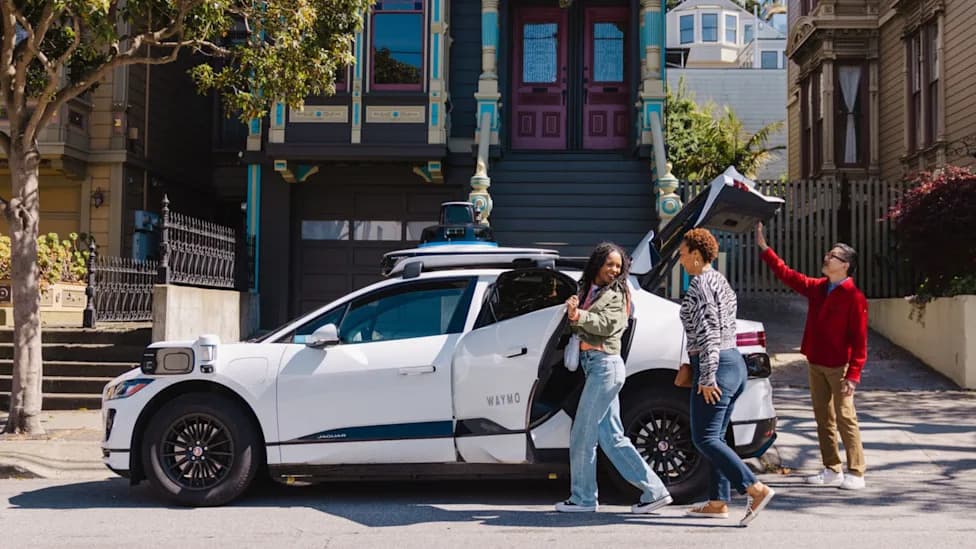
A Waymo Spotted a Rifle, Pulled Itself Over, and Called SFPD on Its Own Riders
A rifle recovered by San Francisco police from a driverless Waymo Jaguar I‑PACE had no serial number. The ride that carried it did.
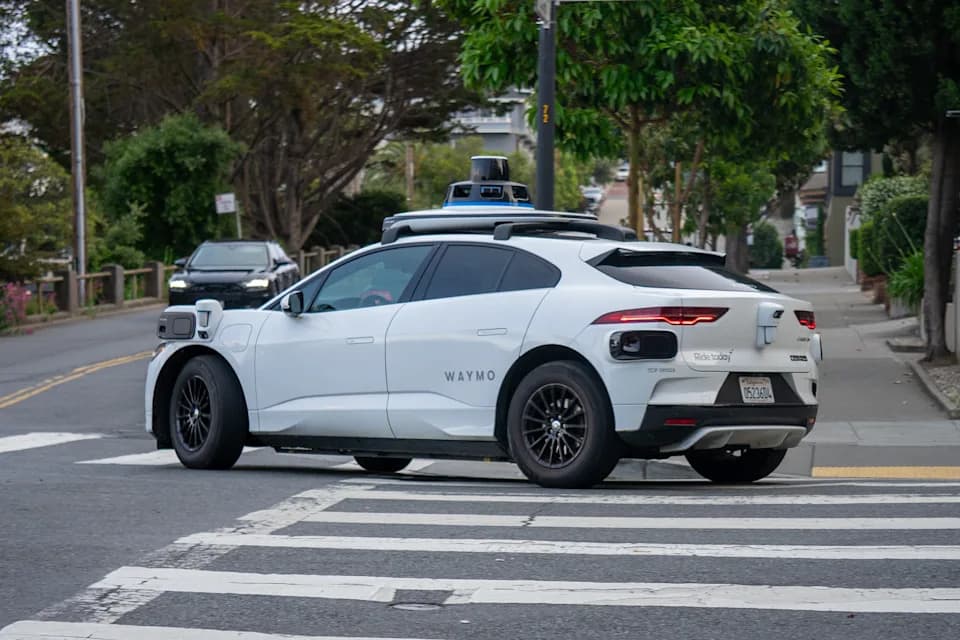
That contrast frames why the Sept. 3 Outer Richmond incident matters: a weapon designed to leave no trace was found inside a vehicle built to leave many. A robotaxi trip generates an auditable trail — an account, payment method, pickup and drop‑off points, timestamps and interior video. According to Waymo, employees detected a firearm in a driverless vehicle at about 4 a.m., brought the car to the curb, alerted emergency services and waited with the doors closed until officers arrived.
What Happened
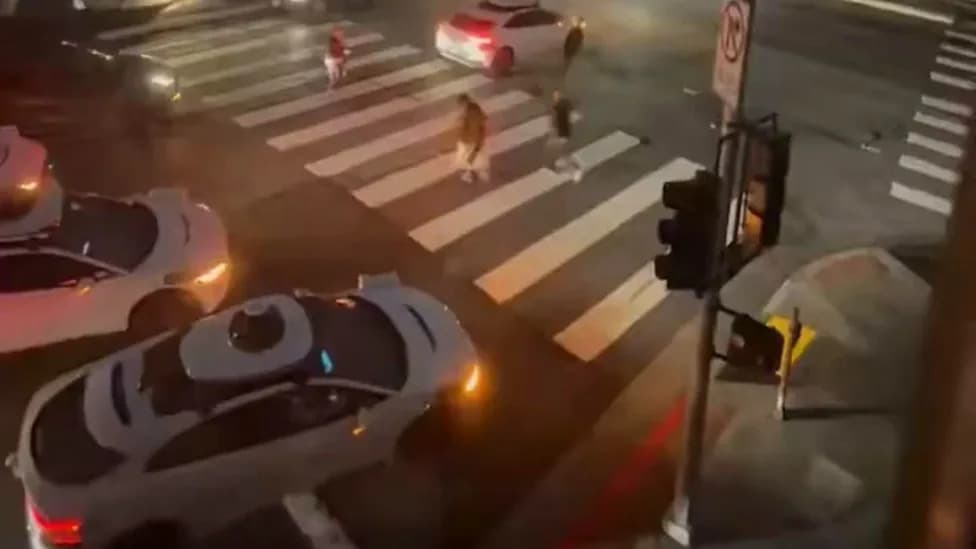
San Francisco Police Department spokesperson Allison Maxie said officers responded to the 800 block of 40th Avenue shortly before 4 a.m. and carried out a high‑risk vehicle stop. Police recovered an AR‑style rifle they characterized as a ghost gun, along with suspected marijuana and mace. Two juveniles, one male and one female, were arrested and booked into the Juvenile Justice Center; their identities were withheld because of their age and the investigation is ongoing.
How Waymo’s Systems Played a Role
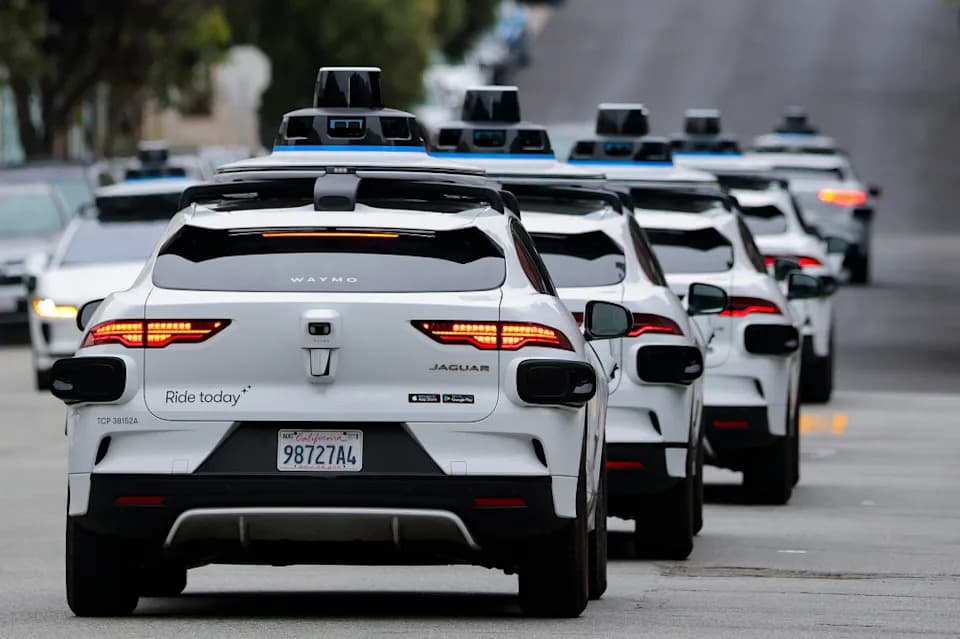
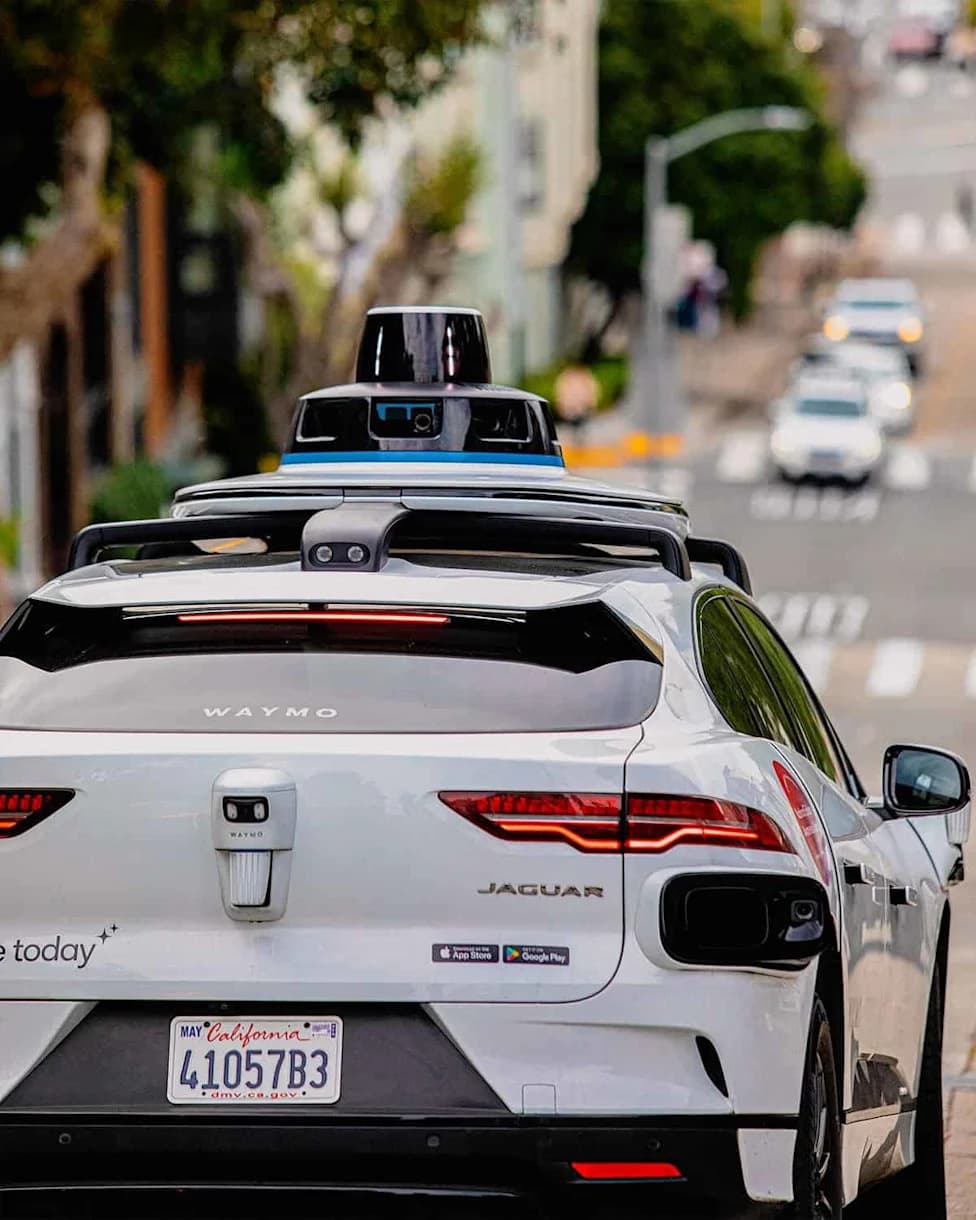
Waymo’s public materials disclose that vehicles include an interior camera and that support staff may review interior footage under certain conditions. The company says interior microphones are active only during rider‑initiated voice calls with Rider Support or when a rider enables them; exterior audio sensors are intended to detect sirens rather than conversations. Waymo also runs a staffed first‑responder program reachable at 1‑877‑503‑0840, and says its team has trained thousands of first responders.
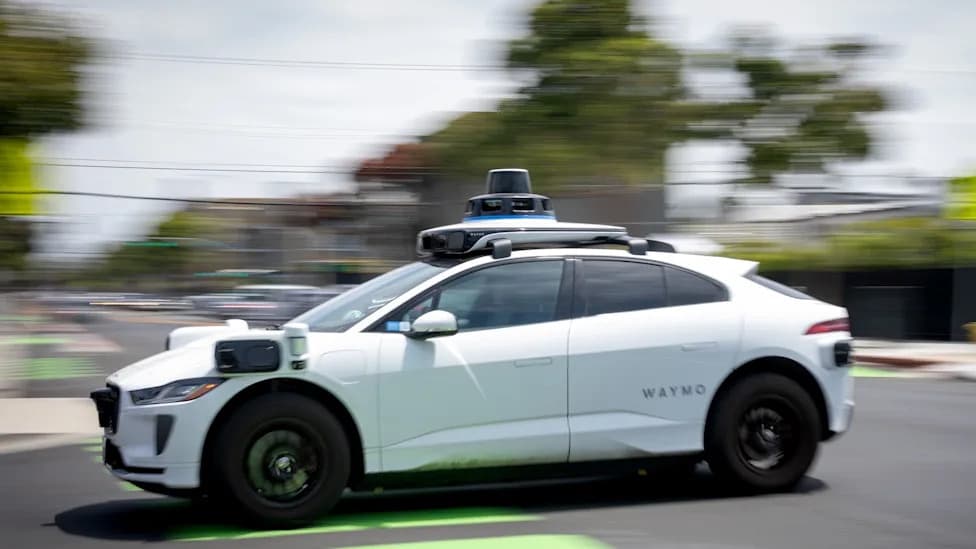
The company’s interaction protocol for the I‑PACE explains that driverless vehicles are designed to pull over when they find a safe place, and that windows can be rolled down and doors unlocked so a remote Waymo representative can speak with police. In this case, Waymo staff say they initiated that protocol and cooperated with officers on scene.
Legal And Privacy Implications
California treats unserialized firearms seriously. The Attorney General’s ghost gun reference guide explains that knowingly possessing an unserialized firearm can violate state law (the article references Penal Code section 23920). Waymo says it provides data to law enforcement in response to proper legal process such as search warrants and subpoenas, but its privacy policy also permits disclosures to protect the safety of Waymo, its customers or others — a lower threshold than a warrant and one that can be applied in real time by an employee monitoring a live feed or responding to a report.
That highlights a core shift: constitutional protections around searches of vehicles assumed the person in the car owned the vehicle. A robotaxi breaks that assumption. Passengers are guests in corporate property, and the owner is a company with cameras, staff, and a channel to call police. Practically, the entity most able to report suspicious activity is often the company operating the ride.
Policy Changes And Broader Trends
California’s AB 1777 (effective July 1, 2026) now requires driverless vehicles to carry a two‑way device enabling first responders to reach a human at the operating company, and it created a notice of autonomous vehicle noncompliance issued to the manufacturer (DMV form OL 325). The law reflects a policy choice: the responsible contact for a driverless car may be a person at a desk rather than an occupant behind the wheel.
More broadly, vehicle sensorization — telematics, cabin cameras, automated license plate readers and impaired‑driver detection technologies contemplated by NHTSA rulemaking — is making cars persistent observers. Robotaxis are the most explicit version of that trend: they record, remember and allow remote humans to act on what they see.
The rifle had no serial number. The ride did.
Two teenagers allegedly brought an untraceable rifle into one of the most thoroughly documented vehicles on the street. Whatever the final legal outcome, the incident demonstrates how fleet operators can detect, stop and report suspected illegal activity — sometimes before passengers realize the trip is over.
Would you trust a self‑driving car to call the police on you? The question is becoming practical rather than hypothetical.
Help us improve.