Spain, Portugal and Luxembourg have urged the European Commission to set a binding 2040 renewable energy target, arguing renewables can be deployed at scale and strengthen energy security. Their letter to Commissioner Dan Jorgensen highlights geopolitical risks from fossil fuel dependence, citing recent tensions around the Strait of Hormuz. The proposal clashes with member states that want a broader “clean energy” goal including nuclear power. Spain and five other countries also asked the Commission to consider measures to capture windfall energy profits.
Spain, Portugal and Luxembourg Urge EU to Set Binding 2040 Renewables Target, Prompting Nuclear Debate
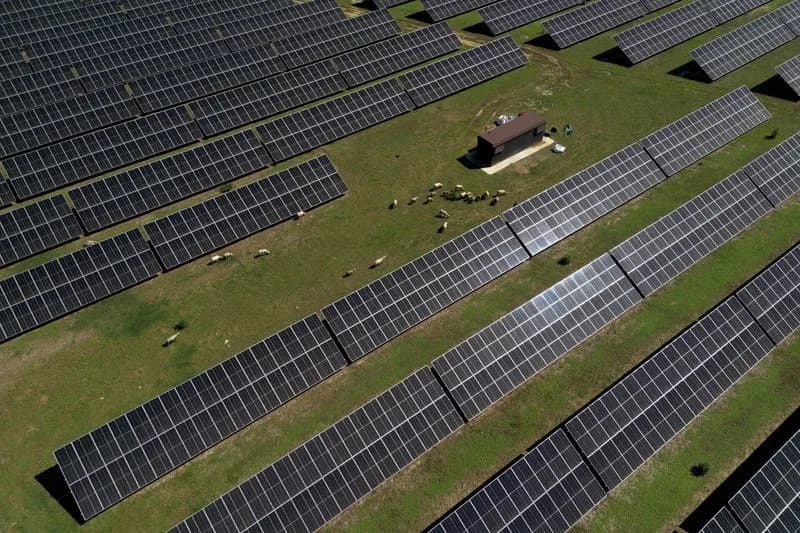
A drone view shows sheep grazing on a pasture next to solar panels, following a major blackout on the Iberian Peninsula, in the village of Hostalric, near Girona, Spain May 7, 2025. REUTERS/Bruna Casas
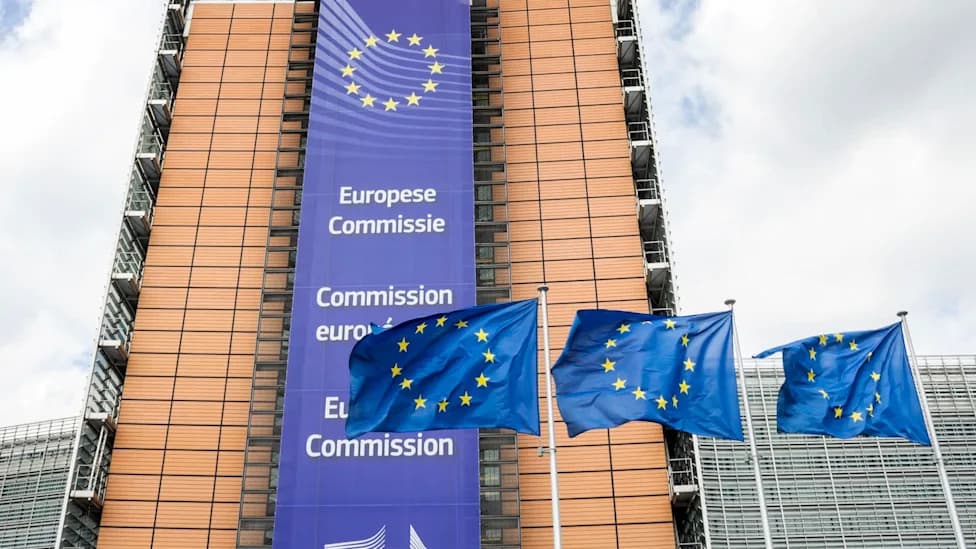
Sept 29 (Reuters) - Spain, Portugal and Luxembourg have formally asked the European Commission to adopt a binding 2040 target for renewable energy, setting up a political clash with member states that want any long-term goal to include nuclear power.
The Commission is preparing a package of energy measures to shape the bloc's strategy after 2030. The EU's current objective is to raise the share of renewables in overall energy consumption to 42.5% by 2030, but there is no comparable 2040 target at present.
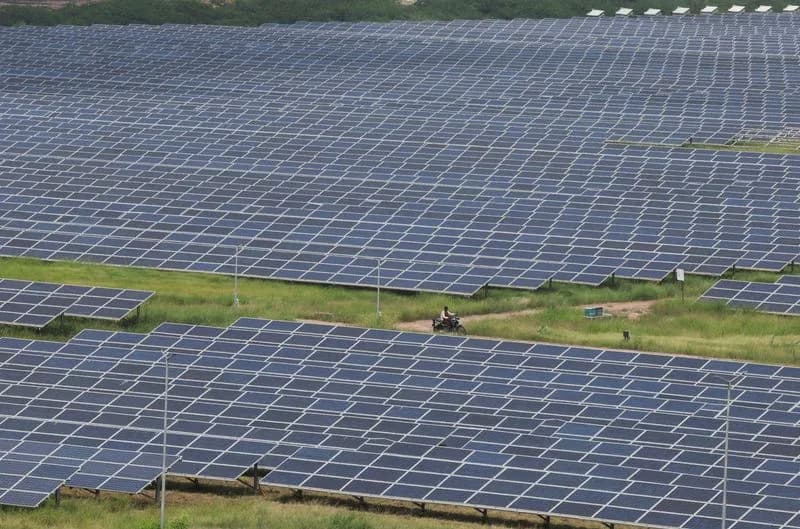
Why the push? In a letter dated 25 September to EU Energy Commissioner Dan Jorgensen, seen by Reuters, the three governments argued that renewables are proven, competitive and can be deployed at scale and on time. Spanish Energy Minister Sara Aagesen told reporters: “Investors need to have clear signals,” explaining Madrid's case for an explicit renewables goal.
“Renewables are proven and competitive solutions that can be deployed in the EU at scale and on time,”
The letter also flagged geopolitical risks tied to fossil fuel dependence, citing the impact of the war with Iran and the consequences of disruptions at the Strait of Hormuz. The governments said such vulnerabilities increase the urgency to accelerate the transition away from fossil fuels.
Counterarguments and the nuclear question — Several EU capitals favour a broader “clean energy” objective that would explicitly include nuclear power. Proponents, including France, Sweden and Finland, argue that nuclear can help cut greenhouse gas emissions and reduce reliance on fossil-fuel imports. Finland's Climate Minister Sari Multala told ministers: “We definitely have to see nuclear as part of the solution.”
However, the EU currently has no target to expand nuclear capacity, largely because some member states such as Austria and Luxembourg oppose nuclear energy on safety and waste-disposal grounds.
Wider context — With households across the EU feeling the squeeze from higher energy and fuel prices amid tensions in the Middle East, Spain and five other member states have also urged the Commission to consider measures to capture windfall profits from companies benefiting from elevated energy prices.
Negotiations over the 2040 framing are likely to be politically charged, reflecting differing national energy mixes, security concerns and public attitudes toward nuclear power and renewables.
(Reporting by Inti Landauro and Kate Abnett; Writing by Mateusz Rabiega; Editing by Ronojoy Mazumdar and Alison Williams)
Help us improve.