The European Commission will maintain its moratorium on new Arctic oil and gas exploration in the revised Arctic strategy due 20 October. The Commission says new Arctic fossil-fuel development is incompatible with EU climate goals, while Norway has urged a rethink and says it will continue drilling regardless. Environmental groups and analysts argue new Arctic supplies would arrive too late to ease near-term shortages; the EU also announced a €200 million investment package for low-carbon projects in Greenland.
EU Keeps Moratorium On New Arctic Oil and Gas Drilling Despite Norwegian Pressure
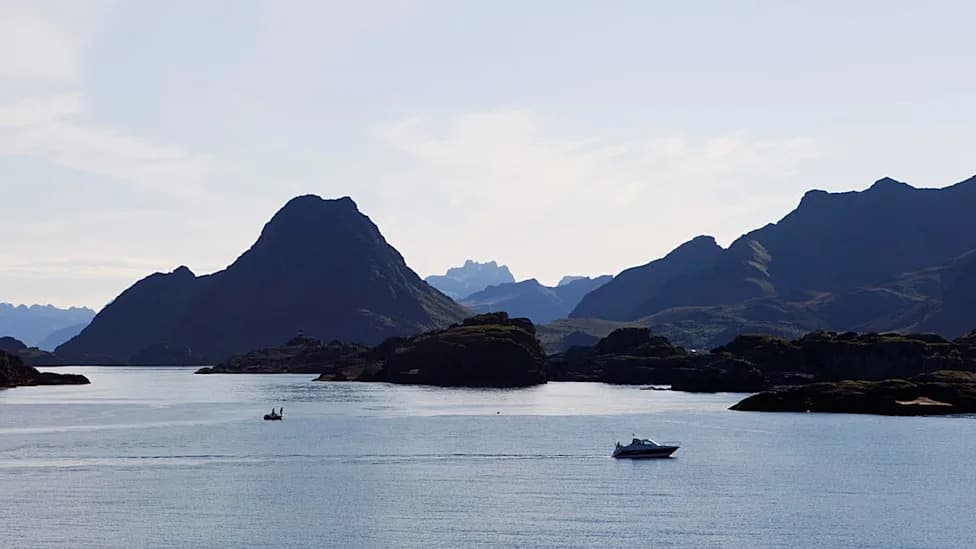
Brussels to keep ban on Arctic oil and gas drilling despite Norwegian pressure
The European Commission will retain its moratorium on new oil and gas exploration in the Arctic in a revised Arctic strategy due to be published on 20 October, a Commission spokesperson told Euronews. The decision stands despite intense lobbying from Norway, a major energy supplier to the EU.
Commission's Rationale
The Commission says new fossil-fuel projects in the Arctic are incompatible with the EU's climate objectives and its goals to prevent environmental degradation while promoting sustainable economic development. "Moving forward, our approach on the moratorium will remain unchanged: our policies have objectives to address climate change and environmental degradation and support sustainable economic development," the spokesperson said.
From Legal Proposal to Political Commitment
When the EU adopted its 2021 Arctic strategy, the Commission initially proposed a multilateral legal obligation to prohibit new Arctic oil and gas exploration. That more ambitious legal measure — supported by Germany — was ultimately converted into a non-binding political commitment. The revised strategy is expected to keep the moratorium non-binding, a choice that could avert a direct confrontation with Norway as the EU navigates energy-supply concerns.
Norway's Position
Norwegian officials have pressed Brussels to reconsider. Energy Minister Terje Aasland has argued that "continued activity in the Barents Sea serves both Norwegian and European interests," citing global market disruption after the war in the Middle East. He also said Norway would continue drilling in the Arctic regardless of the EU's stance. Norway's role in European energy security has grown, with the country supplying a substantial share of the bloc's liquefied natural gas (LNG) imports recently.
Environmental And Analytical Perspectives
Environmental groups and analysts counter that new Barents Sea supplies would arrive too late to substantially ease near-term shortages. A WWF-Norway analysis cited in discussions estimates that new gas from the Barents Sea would not come online until around 2045 and that Norwegian Arctic gas amounts to a small share of current EU imports. The analysis also suggested that demand-side measures — clean power, electrification and energy efficiency — could reduce Europe's reliance on imported fossil fuels far sooner.
"Significant new Arctic supplies would arrive as EU gas demand is expected to fall sharply," WWF-Norway said, noting modelling that sees EU fossil-gas consumption falling markedly by 2040 under low-emission pathways.
Geopolitics and Energy Security
The moratorium decision matters for Brussels because Norway is deeply integrated into the EU's energy-security architecture. Recent supply shocks have shown how quickly Europe can be exposed when other producing regions face disruption. At the same time, the EU must balance climate commitments with short- and medium-term energy security and defence considerations as interest in the Arctic grows among major powers.
Summits, Investments and Reactions
The issue was likely discussed at the Arctic Summit in Rovaniemi on 13-14 September, which brought together heads of state and senior EU officials to debate the region's strategic significance. In a related move, the Commission announced a €200 million investment package for Greenland on 7 September to support low-carbon energy production, storage, Arctic-adapted technologies and resilience.
Paal Frisvold of the Alliance to Preserve the Moratorium on Oil Drilling in the Arctic called the Commission's decision an "important victory" for the climate and said it sends a clear signal about the EU's commitment to accelerating the low-emission transition.
Outlook
The revised Arctic strategy reaffirms the EU's preference for keeping new fossil-fuel development in the region off the table, while leaving room for continued political negotiation with Norway and other partners over energy security, resource governance and the region's strategic future.
Help us improve.