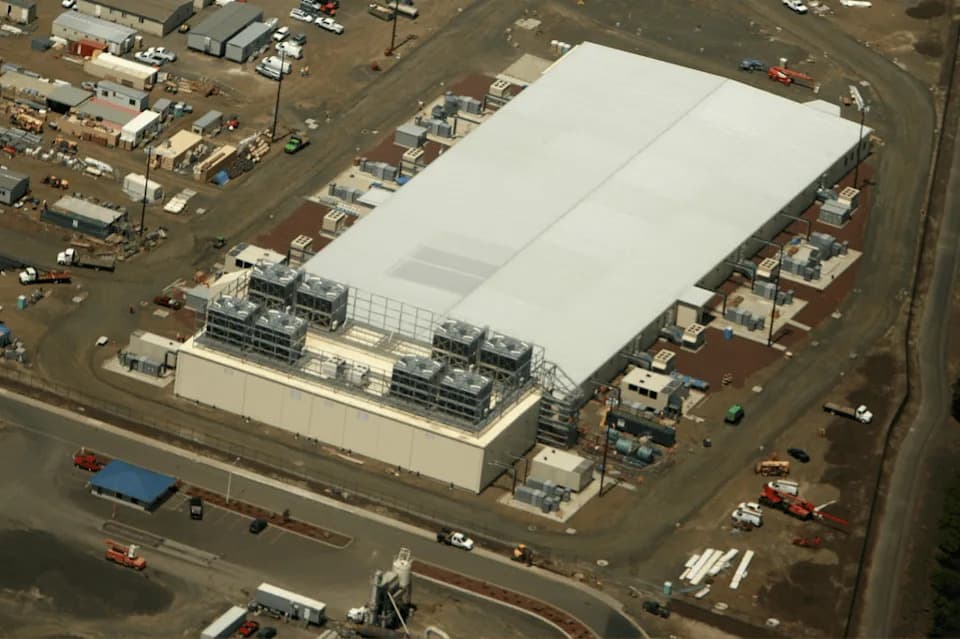
Fervo Energy has brought the first utility-scale enhanced geothermal system online at Cape Station in Beaver County, Utah. A 33 MW unit is producing power as part of a first phase that aims for 100 MW (about 70,000 homes). Phase two will add 400 MW by 2028, and a potential third phase could reach 900 MW. EGS uses deep vertical and long lateral wells and rock fracturing to access water above 400°F (~204°C), giving continuous, baseload-capable clean power — but cost and transmission constraints remain key challenges.
Utah’s Cape Station Brings First Utility-Scale Next-Gen Geothermal Online as AI Drives Up Power Demand
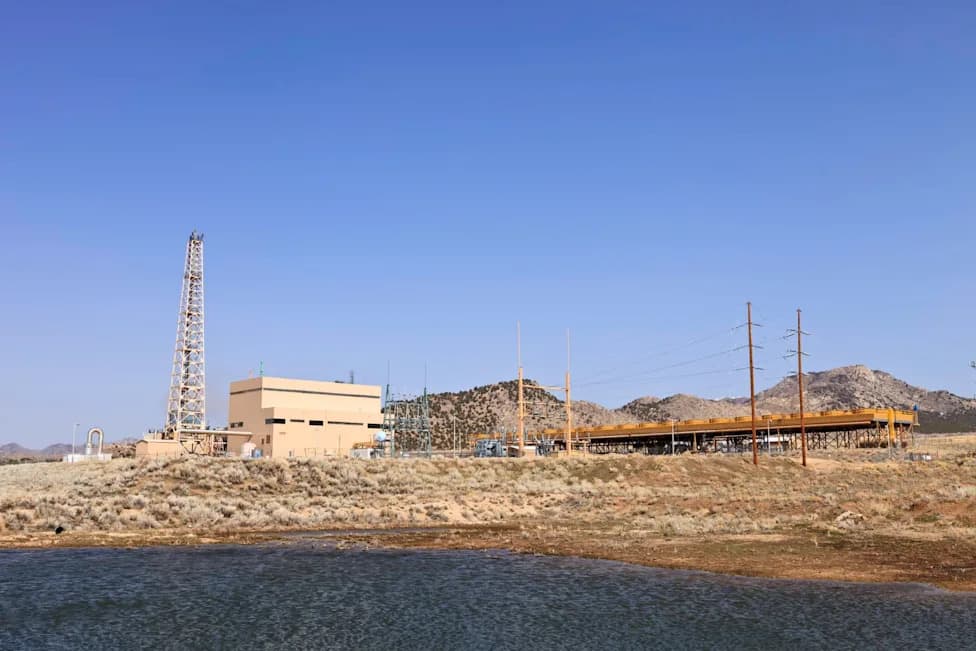
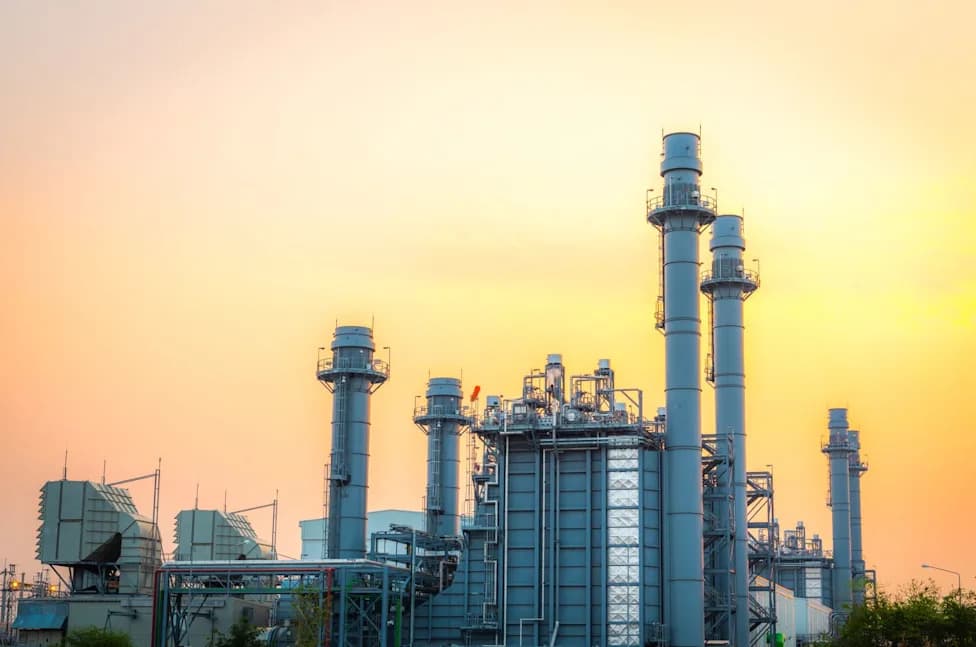
Photo Credit: iStock
Utah has added a new form of reliable, low-carbon electricity to its grid at a moment when demand for power is rising rapidly. Fervo Energy announced that its Cape Station development in Beaver County has produced first power from the first utility-scale enhanced geothermal system (EGS) unit of its kind.
First Power and Project Scale
On Thursday, Fervo said a 33-megawatt unit at Cape Station began generating electricity, marking the first time a utility-scale EGS project anywhere has reached first power. Southern California Edison is the project's primary customer. Cape Station's first phase is expected to reach 100 megawatts — roughly enough to serve about 70,000 homes — with construction on that phase continuing through the end of the year.
A 400-megawatt second phase is under construction and scheduled for completion in 2028; a potential third phase could bring the site up to 900 megawatts of capacity.
Why EGS Matters
As artificial intelligence, data centers and other loads put upward pressure on electricity demand, there is growing interest in power sources that can deliver round-the-clock energy. Unlike wind and solar, geothermal provides continuous generation, making EGS a promising complement to intermittent renewables.
How Cape Station Works
Conventional geothermal relies on naturally occurring underground reservoirs, which are geographically limited. Fervo's EGS approach creates usable reservoirs by applying advanced drilling and subsurface engineering. At Cape Station, wells are drilled roughly 10,000 feet vertically and then extended about 7,500 feet horizontally. Operators fracture rock to access water heated above 400°F (about 204°C). The heat produces steam that spins turbines; the cooled water is then reinjected to be reheated.
“Cape Station works because we treated the subsurface like an engineering challenge. Years of drilling, completion design, subsurface modeling, and flow testing led to this moment, and this is the validation that matters most,” said Jack Norbeck, Fervo co-founder and chief technology officer. “First power is proof the science works.”
Opportunities and Challenges
With Cape Station, Fervo aims to demonstrate that next-generation geothermal can scale beyond pilots into major infrastructure. The company’s earlier Project Red pilot came online in 2023, and Cape Station is its first utility-scale EGS deployment. Company leadership frames the milestone as a potential game changer for the geothermal industry.
However, important hurdles remain. Developers must drive down costs for EGS to be broadly competitive at scale, and expanding generation in the U.S. West faces major transmission bottlenecks that could limit how much new capacity can actually reach customers.
Broader Industry Context
Other players are moving as well: Google has backed enhanced geothermal projects in Nevada to secure steady, low-carbon power for data centers, and testing in Utah has produced record-setting heat output that bolsters confidence in utility-scale EGS potential.
Bottom line: Cape Station’s first power is a notable technical milestone for enhanced geothermal systems. If developers can overcome cost and transmission constraints, EGS could become a durable source of 24/7 clean electricity to help meet growing demand.
Help us improve.