Key Takeaway: President Trump says he would consider easing Iran sanctions and releasing frozen funds if Tehran shows 'concrete progress' on its nuclear program. Prediction markets raised the odds of a U.S.-Iran deal by year-end to about 15%, though traders remain skeptical about Iran's concessions. The standoff over sequencing—who acts first—continues, and tensions have pushed Brent crude up ~1.5%, lifting energy stocks such as Exxon Mobil.
Trump Signals Sanctions Relief If Iran Makes ‘Concrete’ Nuclear Progress; Traders Raise Deal Odds
Trump Offers Iran Sanctions Relief for Nuclear Progress as Traders Raise Deal Odds
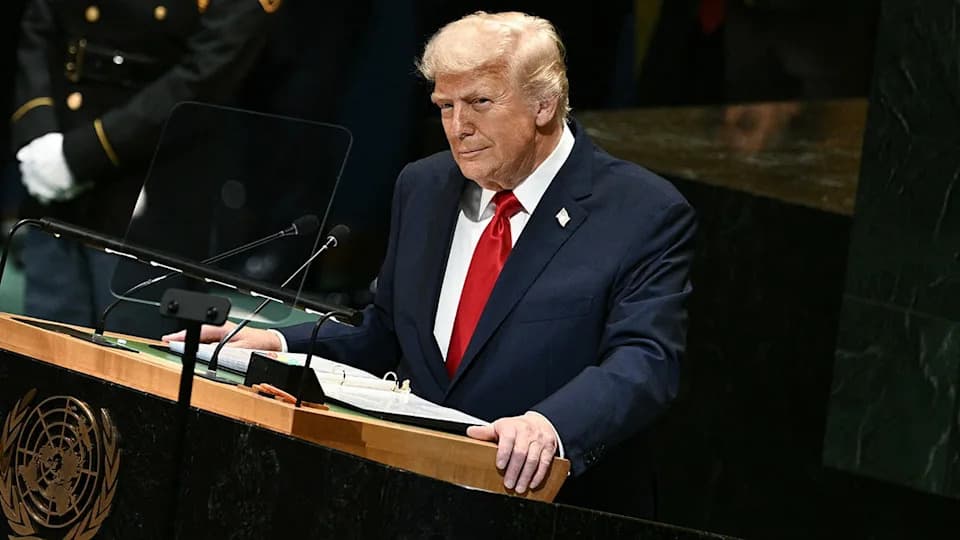
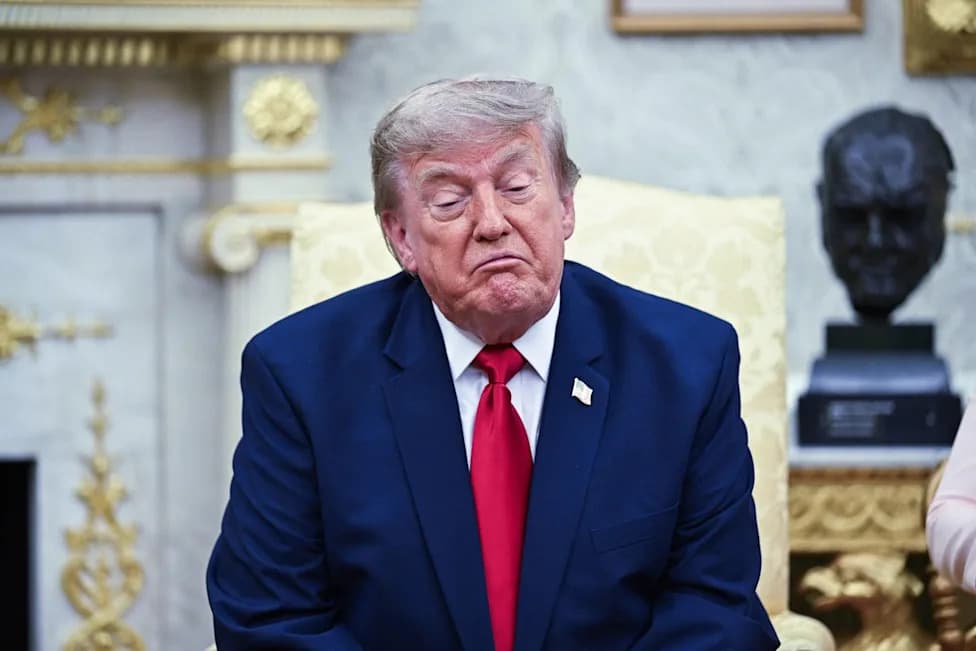
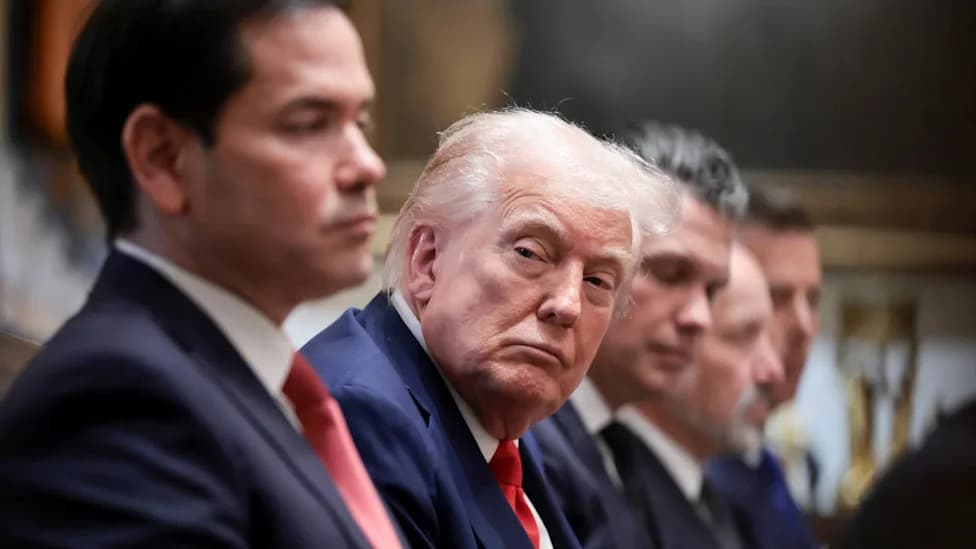
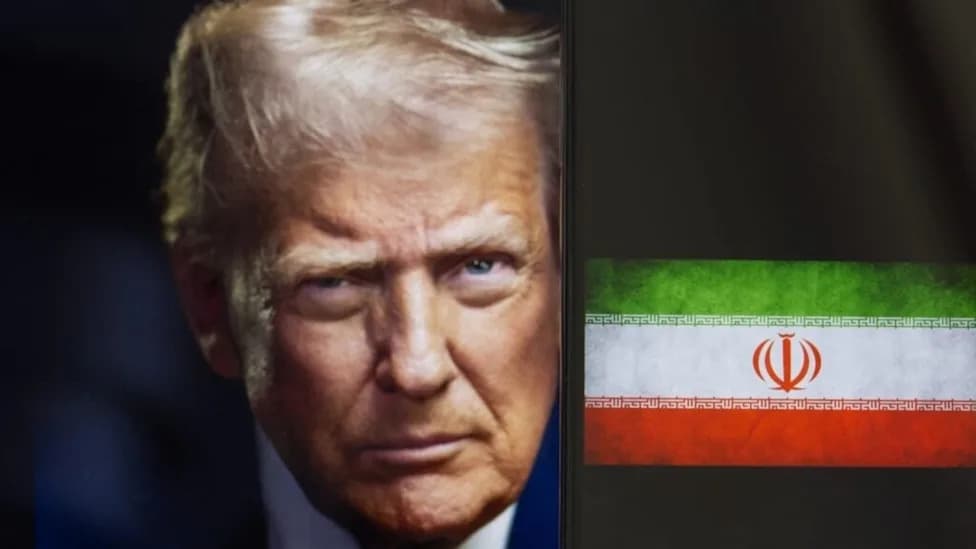
President Donald Trump indicated that his administration would consider easing sanctions on Iran and releasing frozen Iranian funds if Tehran delivers "concrete progress" on its nuclear program, a White House official told CNN on Monday. The comments leave the door open to a negotiated deal days after Mr. Trump publicly rejected Iran’s latest proposal.
Markets Are Taking Notice. Prediction-market activity has shifted: Polymarket now assigns a roughly 15% probability that the U.S. and Iran reach a final nuclear agreement by Dec. 31, up from 10% on Saturday, with the broader market and related contracts seeing about $18.9 million in trading volume.
"They want to make a deal, but it is not the deal that I want to make," Mr. Trump said, adding that Iran's offer resembled terms the U.S. might have accepted a year ago and that Tehran had "overplayed their hand."
Diplomatic shuttle efforts led by Qatar and other regional mediators continued as U.S. envoys Steve Witkoff and Jared Kushner engaged in indirect talks with Iranian Deputy Foreign Minister Abbas Araghchi in New York last week. Qatari officials reportedly relayed messages between the parties.
A White House official described those exchanges to CNN as "positive and constructive," and said Iran had shown some flexibility on nuclear issues. Despite those signals, the two sides remain divided over sequencing — namely, who must act first.
Tehran is pressing for sanctions relief, access to frozen assets and an easing of U.S. pressure before making major concessions. The Trump administration insists that Iran must first demonstrate tangible, verifiable nuclear progress before Washington will lift sanctions or restore funds.
U.S. Ambassador to the United Nations Mike Waltz summarized the U.S. concern by saying Iran was seeking "everything up front with a promise that they would then talk," and expressed skepticism about Iran negotiating in good faith.
Mr. Trump rejected a seven-day proposal from Iran on Saturday. Under that offer, Iran proposed to reopen the Strait of Hormuz and resume nuclear negotiations within a week if the U.S. lifted a naval blockade, removed oil-sale sanctions and helped restore a regional ceasefire.
Economic And Market Implications. Traders appear cautious that Tehran will make the kinds of nuclear concessions Washington seeks. Polymarket gives only about a 6% chance that the U.S. obtains Iran's enriched uranium by Dec. 31; that year-end contract has attracted roughly $2.4 million in volume.
Energy markets reacted immediately: Brent crude rose about 1.5% Sunday night after Mr. Trump dismissed Iran's proposal, reflecting ongoing disruptions around the Strait of Hormuz. Shares of Exxon Mobil Corp. were up roughly 1% on Monday as higher oil prices benefited major producers while adding inflationary pressure and weighing on the broader economy.
Reported by Benzinga; information includes statements to CNN and market data from Polymarket. © 2026 Benzinga.com. Benzinga does not provide investment advice.
Help us improve.