Key Points: A software defect on some Boeing 737 MAX jets can disable automated vertical-navigation during go-arounds, potentially forcing manual flight at a high-workload moment. The FAA and Boeing are jointly evaluating the issue; Boeing began a formal safety review after airlines reported the fault and plans a permanent fix targeted for early 2028. Meanwhile, operators were advised to consider reverting to an earlier software release; in-service fleets report no immediate impact.
Boeing 737 MAX Software Glitch Could Disable Autopilot During Go-Arounds — FAA and Boeing Working on Fix

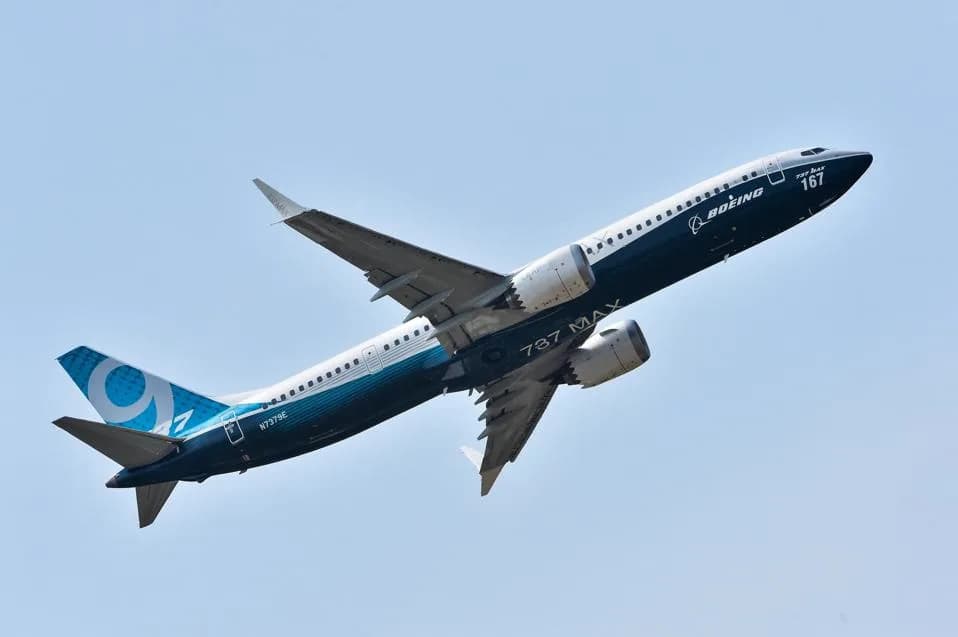
An Alaska Airlines Boeing 737 MAX 9 aircraftCredit: Kevin Carter/Getty
A newly identified software issue on certain Boeing 737 MAX aircraft can disable automated vertical-navigation functions during an aborted landing (a go-around), potentially forcing pilots to fly manually during a high-workload phase of flight. The Federal Aviation Administration (FAA) and Boeing are investigating and working toward a permanent patch targeted for early 2028.
What Happened?
Multiple industry outlets, including The Wall Street Journal and CBS News, report that the anomaly can occur after a missed approach when the flight crew alters the planned flight path. In those circumstances an affected flight-computer update may remove access to automated vertical-navigation features, requiring manual control at precisely the most demanding moment of a go-around.
Regulatory and Manufacturer Response
The FAA told PEOPLE it is aware of 'potential issues' tied to a software update on certain 737 MAX flight computers and is working closely with Boeing and operators to evaluate the risk. The agency said it will convene a Corrective Action Review Board (CARB) and will take immediate action if a safety concern is identified.
Boeing says it was first alerted by a 737 MAX operator in November 2024 and, after receiving additional feedback from airlines, launched a formal safety review this month. Boeing has shared its findings with the FAA and is developing a software update intended to permanently address the problem. In the meantime, company notices to operators advised consideration of reverting to an earlier software release while the review is under way.
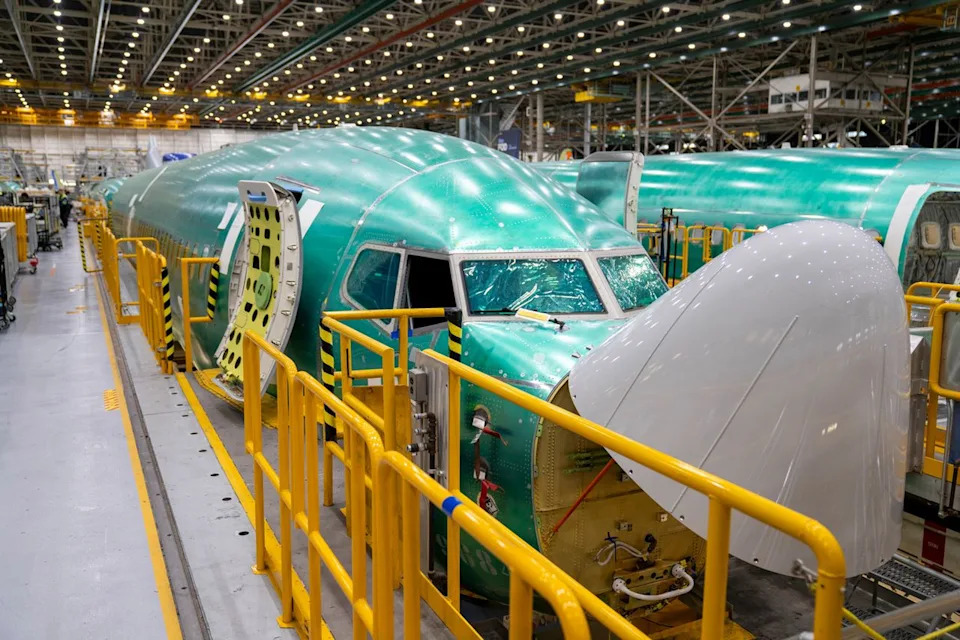
Boeing assembles 737 MAX aircraft at a facility in Renton, Wash.Credit: M. Scott Brauer/Bloomberg via Getty
Industry Reaction and Operational Impact
GE Aerospace, which provided the software in question, said it is coordinating with Boeing and supporting the FAA's evaluation. Major U.S. carriers including Alaska, American, Southwest and United have said their in-service 737 MAX fleets are not affected by the newly reported issue. Boeing also notes that pilots are trained to safely land and handle go-arounds without the affected automated vertical-navigation functions.
'How busy do you want your crew to be? Are you introducing distractions at the worst possible moment?' — anonymous airline source, quoted by CBS News.
Delivery Decisions and Program Background
Reports indicate some airlines have warned they will not accept new deliveries if the flawed software remains installed. Reuters has reported Southwest and United told Boeing they would refuse MAX 7 deliveries equipped with the problematic release. A Boeing notice reviewed by The Wall Street Journal said it expects to issue additional guidance by November and targets a permanent software fix by early 2028.
The 737 MAX family has been under heightened scrutiny since the MAX 8 crashes of 2018–2019 and a mid-air cabin panel blowout on an Alaska Airlines MAX 9 in January 2024. When the FAA approved the MAX 7 earlier this year, it required Boeing to implement a series of 'key improvements' — from flight-control software and crew alerting upgrades to a redesigned engine anti-ice system. Boeing assembles MAX jets in Renton, Washington; Cirium data reported that Boeing had built 30 MAX 7s and nine MAX 10s, with the MAX 10 representing roughly 28% of outstanding MAX orders.
What Comes Next
Boeing engineers are developing a permanent software update, and the FAA is monitoring the situation closely. Operators were advised to consider reverting to a prior software version until the vendor-supplied patch is issued and validated. Airlines and regulators will continue to assess operational risk and delivery decisions as the review progresses.
Help us improve.