The FAA has proposed mandatory inspections for certain Boeing 737 MAX 8, MAX 9 and 737-8200 airplanes after finding some elevator buss assembly bearings may have been installed improperly, in some cases without required sealant. The rule — based on a Boeing bulletin dated December 17, 2025 — would affect an estimated 95 U.S.-registered aircraft and require detailed inspections to check for cracks and correct sealant application. Each inspection is estimated at 23 work hours (~$1,955); repair costs could be substantially higher depending on findings. The FAA published the proposal on September 21 and is accepting comments through November 5, 2026.
FAA Proposes Mandatory Inspections After Incorrectly Installed Bearings Found on Some Boeing 737 MAX Jets
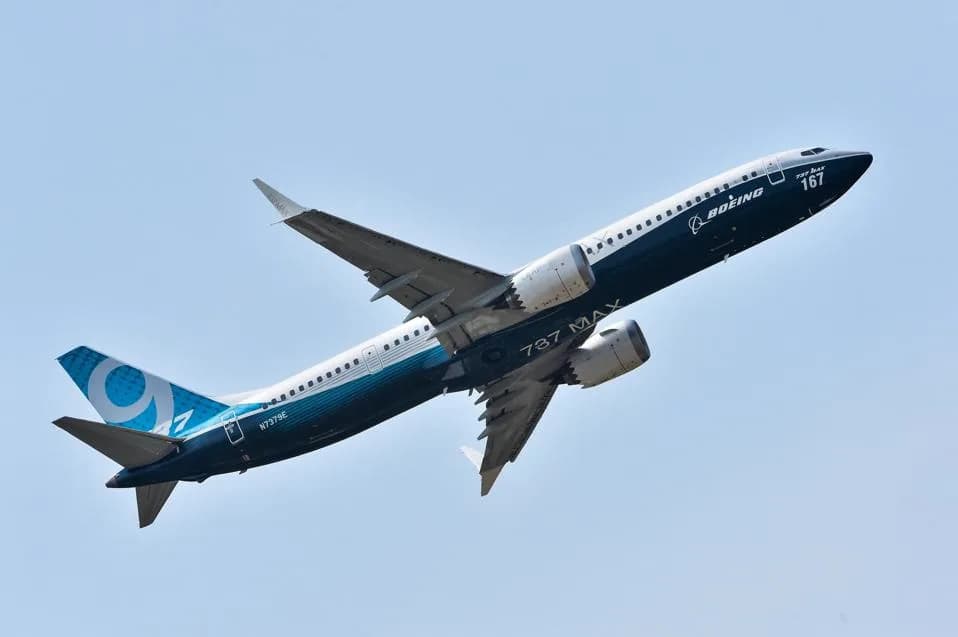
A Boeing 737 Max 9 jet airliner performs its flight display at Le Bourget on June 20, 2017 during the International Paris Air Show. (Photo by CHRISTOPHE ARCHAMBAULT / AFP) (Photo by CHRISTOPHE ARCHAMBAULT/AFP via Getty Images)AFP via Getty Images
The Federal Aviation Administration (FAA) has proposed mandatory inspections for certain Boeing 737 MAX aircraft after discovering that bearings in a flight-control component may have been installed incorrectly during production. The directive targets specific 737 MAX 8, MAX 9 and 737-8200 airplanes identified in a Boeing Alert Requirements Bulletin issued on December 17, 2025.
What the Issue Is
The problem involves bearings in the elevator buss assembly — the mechanical link that connects pilots’ control columns to the aircraft elevators. The FAA says some bearings may have been installed without required sealant or otherwise installed improperly. That condition can cause cracks in bearings and bearing housings and could lead to premature failure of the elevator buss assembly crank arms.
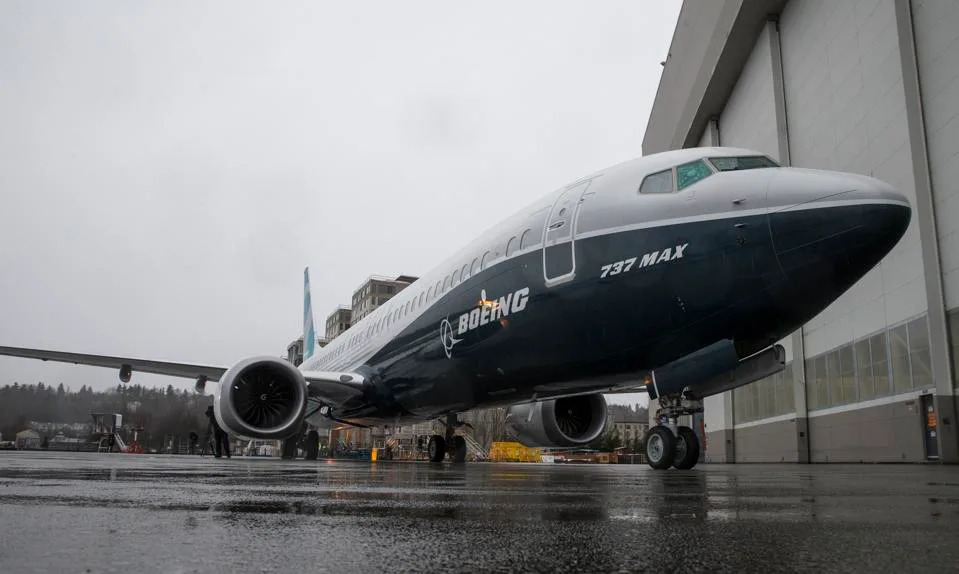
RENTON, WA - March 7: The first Boeing 737 MAX 9 airliner is pictured at the company's factory on March 7, 2017 in Renton, Washington. The 737 MAX 9, which can carry up to 220 passengers, is the second of three variants of the popular single-aisle model. (Photo by Stephen Brashear/Getty Images)
FAA warning: If left uncorrected, the condition "could impact elevator pitch control and affect continued safe flight and landing of the airplane."
Required Actions Under the Proposal
If finalized, the proposed airworthiness directive would require operators of the affected airplanes to perform detailed inspections of the bearings and bearing housings. Maintenance teams would check for cracking and verify whether sealant was applied correctly. Based on inspection results, actions could include load testing, replacement of individual bearings, structural repairs or replacement of the entire elevator buss assembly.
Estimated Cost and Scope
The FAA estimates the inspection will take about 23 work hours and cost roughly $1,955 per aircraft. About 95 U.S.-registered airplanes are estimated to be affected, putting the FAA’s inspection-cost estimate for the U.S. fleet at approximately $185,725. Repair costs vary widely: replacing a single bearing could range from $1,105 to $1,809, while replacement of a complete elevator buss assembly could be about $98,496 per airplane. The FAA said it cannot predict how many airplanes will need repairs and noted Boeing may cover some costs under warranty.
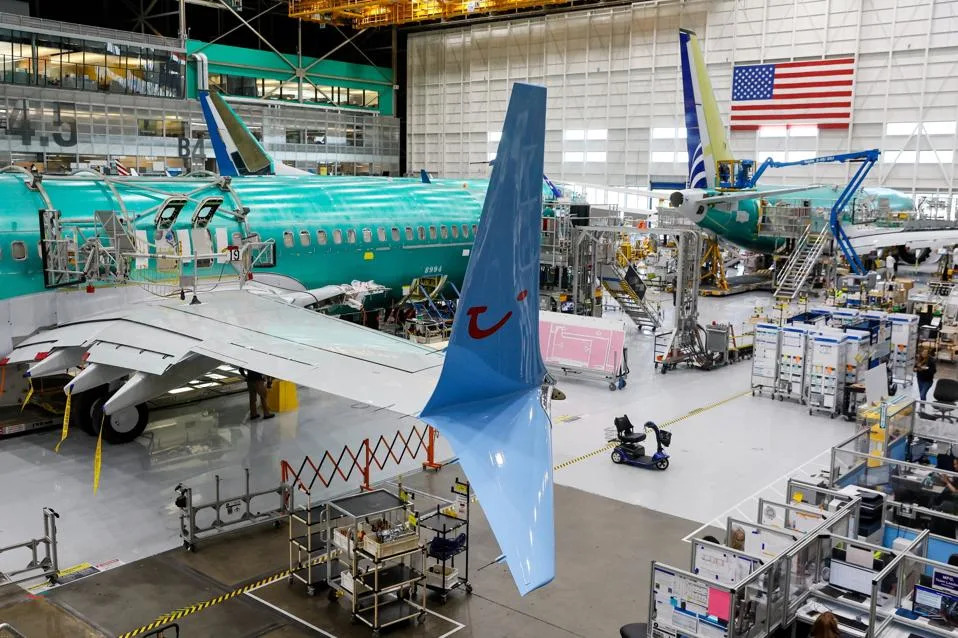
Boeing 737 MAX aircraft are assembled at the Boeing Renton Factory in Renton, Washington, on June 25, 2024. (Photo by Jennifer Buchanan / POOL / AFP) (Photo by JENNIFER BUCHANAN/POOL/AFP via Getty Images)
Regulatory Process and Timeline
The FAA published the proposal in the Federal Register on September 21 as a notice of proposed rulemaking (not a final AD). Airlines are not required to comply until a final rule is issued. The FAA is accepting public comments on the proposal through November 5, 2026 and may adjust the requirements after reviewing feedback.
Context
The inspection proposal follows several years of heightened FAA scrutiny of Boeing’s manufacturing and quality-control processes. Recent actions have included inspections and maintenance directives after an Alaska Airlines door-plug blowout, corrections for incorrectly drilled fuselage holes, and other targeted 737 MAX inspections for cracked fuselage areas and misinstalled passenger seats. The FAA has also issued ADs that require procedural changes rather than physical inspections, such as new flight-manual procedures to address uncontrolled cabin and cockpit temperatures.
The FAA based the proposed requirements on Boeing’s December 17, 2025 Alert Requirements Bulletin and determined the unsafe condition "is likely to exist or develop on other products of the same type design." The proposal applies only to the specific airplanes listed in Boeing’s bulletin, not to every 737 MAX 8, MAX 9 or 737-8200 in service.
Bottom line: The FAA is pushing for targeted inspections to ensure elevator control components were installed correctly. Operators and the public can comment on the proposal through November 5, 2026.
Help us improve.