The Birth Tourism Elimination Act, introduced by Sen. Tim Scott, would allow consular and border officers to presume some pregnant B-visa applicants intend to give birth in the U.S. primarily to secure citizenship for their children. The bill tightens medical-visa requirements, adds a new inadmissibility ground to expedited removal, and criminalizes commercial facilitation of birth tourism. It includes exemptions for legitimate medical care and for unborn children with qualifying U.S. parents and seeks to codify existing executive-branch policy into federal law.
Sen. Tim Scott’s Birth Tourism Elimination Act Would Presume Some Pregnant B-Visa Applicants Seek U.S. Citizenship for Their Children
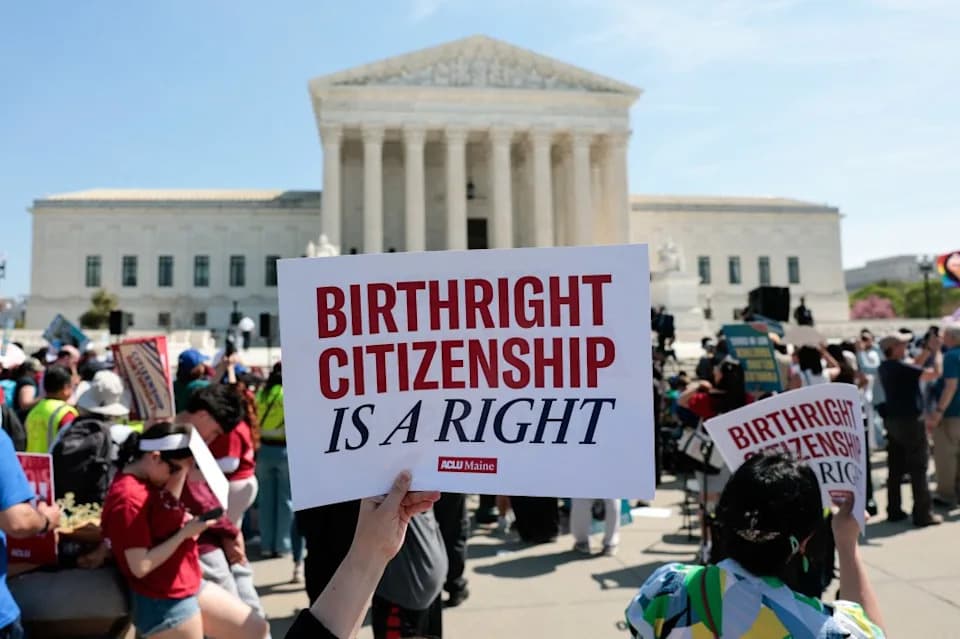
File photo: demonstrators rally in support of birthright citizenship outside the U.S. Supreme Court in Washington, D.C., on April 1, 2026.
The Birth Tourism Elimination Act, introduced by Republican Sen. Tim Scott (R-S.C.), would create a legal presumption that certain pregnant applicants for U.S. visitor (B) visas intend to give birth in the United States primarily to secure U.S. citizenship for their children. The bill is part of a broader Republican push to restrict so-called "birth tourism" and tighten controls around birthright citizenship-related practices.
What the Bill Would Do
The measure would amend federal immigration law to make foreign nationals seeking admission on B visitor visas inadmissible when a consular officer reasonably believes their primary purpose is to give birth in the U.S. so the child can obtain American citizenship. The presumption could be rebutted if the applicant convinces the consular officer that she has a legitimate primary reason to give birth in the United States other than obtaining citizenship for the child.
Visa Screening, Presumptions and Inspections
Under the proposal, consular officers would be empowered to apply the presumption during visa adjudication. U.S. Customs and Border Protection (CBP) officers could also deny admission if they have a "reasonable belief" the traveler's main purpose is birth tourism. Travelers suspected under this provision would be referred for secondary inspection, and the bill would add birth-tourism inadmissibility to the expedited-removal provisions of the Immigration and Nationality Act.
Medical-Treatment Visa Rules
The bill would tighten requirements for B visas sought for medical treatment related to childbirth. Applicants would need to demonstrate that a U.S. medical provider has agreed to supply care, provide estimates of the expected duration and costs, and show they have lawful means and intent to pay for medical and related expenses.
Enforcement, Criminal Penalties and Industry Targets
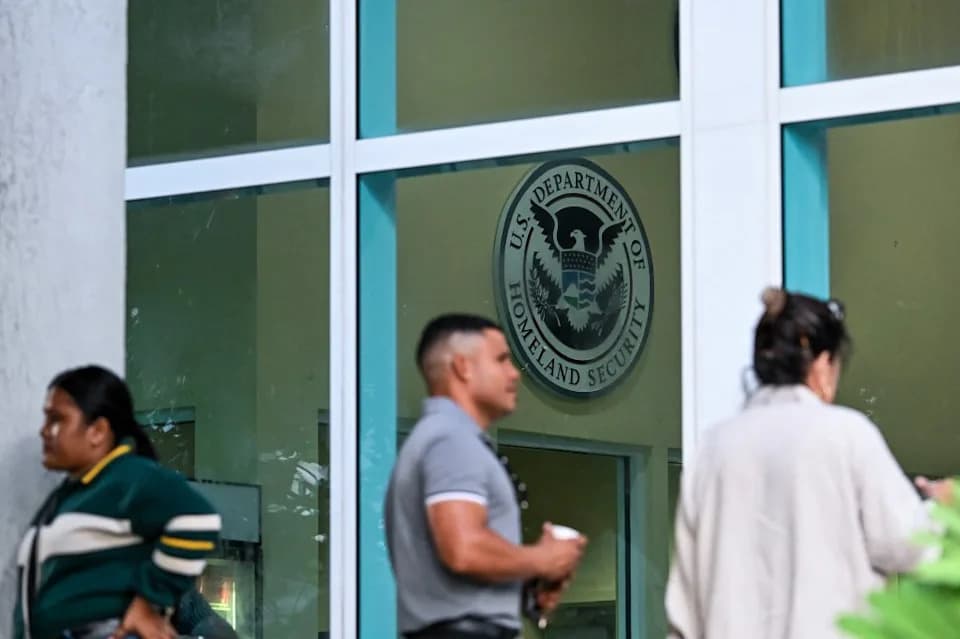
The legislation would criminalize knowingly facilitating, sponsoring, organizing, advertising, or profiting from commercial birth tourism, and would target businesses and individuals that operate such networks. It would also require the Department of Homeland Security (DHS), in consultation with the State Department, to report to congressional committees on enforcement actions, investigations and prosecutions related to the new restrictions.
Exemptions And Limits
The bill includes several exemptions: it would not apply when obtaining citizenship is not the primary reason for legitimate medical treatment connected to childbirth. It would also exempt cases in which the unborn child’s biological parent is a U.S. citizen, a lawful permanent resident, or a person with permanent resident status as a refugee or asylee. Additionally, expedited-removal provisions would not apply when childbirth is incidental to a lawful admission—such as travel for employment, study or other legitimate purposes.
Context And Data
The proposal comes amid other Republican efforts, including House initiatives and executive actions, to restrict aspects of birthright citizenship and birth tourism. The bill would codify elements of prior executive-branch policy, including a 2020 State Department rule limiting B visas when the primary purpose is giving birth in the U.S. to secure citizenship for a child. An executive order signed on August 6 directed the secretaries of state and homeland security to take measures addressing birth tourism.
The Migration Policy Institute, using CDC data, estimated that 9,576 babies born in the U.S. and its territories in 2024 had mothers with foreign addresses (about 0.26% of roughly 3.7 million births). MPI notes this is a proxy for birth tourism; broader estimates cited by MPI place annual births tied to birth tourism between 22,000 and 26,000.
Legislative Status
The bill was referred to the Senate Judiciary Committee and had no Senate cosponsors as of Sept. 28. A companion measure in the House was introduced in July by Rep. Richard McCormick (R-Ga.), with Reps. Ken Calvert (R-Calif.) and Randy Fine (R-Fla.) as original cosponsors.
"American citizenship is not for sale, and foreign nationals have no right to buy citizenship for their children," Sen. Tim Scott said in a press release, adding that the bill aims to prevent exploitation of temporary travel programs for that purpose.
If enacted, the measure would be one of the most far-reaching congressional efforts to restrict birth tourism by law, focusing on pre-entry screening, enforcement against facilitators and statutory codification of existing executive policies.
Help us improve.