Novo Nordisk's investigational combination CagriSema (cagrilintide + semaglutide) produced greater average weight loss than Zepbound in a late-stage trial: 12.4% vs. 9.1% after 60 weeks in people with Type 2 diabetes. In a separate study of overweight or obese adults, CagriSema reduced weight by 21% at 68 weeks versus placebo. An FDA decision is expected in Q4 2026; the drug is not approved in the U.S. or Europe as of September 2026.
Novo's Next-Gen CagriSema Outperforms Zepbound in Late-Stage Trials

Novo’s next-gen weight-loss drug outperforms Zepbound in new trial
Novo Nordisk's investigational obesity medicine CagriSema produced larger average weight loss than Zepbound (tirzepatide) in a late-stage clinical trial, according to company statements and published trial results. The findings come amid broader legal scrutiny of GLP-1 drugmakers and growing public interest in next-generation weight-loss treatments.
"The results from CagriSema are very encouraging, demonstrating the strong potency of the combination of semaglutide and cagrilintide," said Martin Holst Lange, Chief Scientific Officer at Novo Nordisk. "With only 1.0 mg/1.0 mg, CagriSema shows superior weight loss versus tirzepatide 5 mg as well as strong results across obesity and Type 2 diabetes."
Key Trial Results
In a late-stage (Phase 3) study of people with Type 2 diabetes, participants receiving a 1 mg/1 mg dose of CagriSema achieved an average body-weight reduction of 12.4% after 60 weeks. By comparison, participants who received a 5 mg dose of Zepbound (tirzepatide) lost an average of 9.1% over the same period.
In a separate trial of adults who were overweight or obese (without diabetes), Novo Nordisk reported that CagriSema produced a mean weight loss of 21% at 68 weeks versus placebo.
What Is CagriSema?
CagriSema is a combination therapy that pairs cagrilintide (a long-acting amylin analogue) with semaglutide, a GLP-1 receptor agonist. Cagrilintide targets brain regions involved in appetite control — including the area postrema and hypothalamus — to promote satiety and reduce food intake. Combining these two peptides has been shown in prior research, including results published in The New England Journal of Medicine, to deliver substantial weight loss in people with and without diabetes.
Regulatory Status and Context
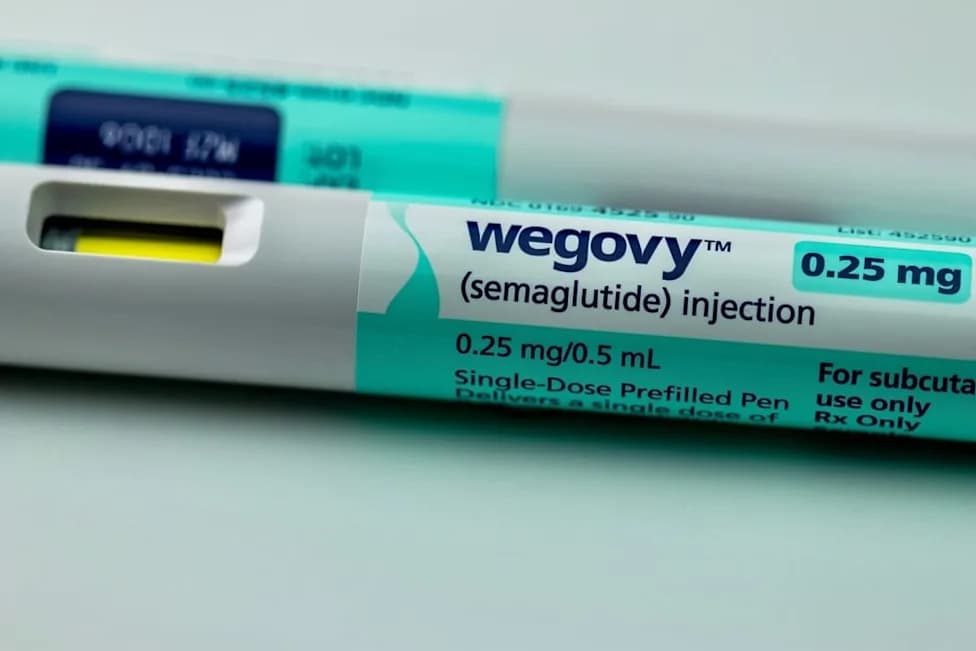
An FDA decision on CagriSema is expected in the fourth quarter of 2026. As of September 2026, CagriSema is not approved for use in the United States or Europe. The drug is widely viewed as a potential successor to Wegovy (semaglutide), whose patent is scheduled to expire in 2030.
These trial results arrive against a backdrop of litigation targeting makers of GLP-1 therapies and heightened public attention on next-generation obesity drugs. Observers will be watching safety data, long-term durability of weight loss, and regulatory review closely as more detailed results and peer-reviewed publications become available.
Note: Reported percentages reflect average (mean) weight change in the respective study arms over the indicated time periods. Individual results and side-effect profiles can vary.
Help us improve.