Swiss voters rejected a constitutional amendment to define neutrality as "armed and perpetual," with 70.1% voting against the proposal. Launched by Pro Suisse and backed by the Swiss People's Party, the measure would have barred closer NATO ties and limited sanctions to UN authorisation. The federal government and most parties argued the change was too rigid for today’s geopolitical challenges.
Swiss Voters Overwhelmingly Reject 'Armed and Perpetual' Neutrality Amendment

A poster reading in French 'Let's not prevent Switzerland from acting! No to the initiative on neutrality' - AFP/FABRICE COFFRINI
Swiss voters decisively rejected a proposal to enshrine a stricter definition of neutrality in the constitution, with 70.1% voting against the measure in Sunday’s referendum.

Ignazio Cassis, Switzerland's minister of foreign affairs, said the result was 'not a vote against neutrality' - Getty Images/ Muhammed Enes Yildirim
What the Proposal Sought
The initiative, launched by the pro-sovereignty group Pro Suisse and backed politically by the hard-right Swiss People's Party, aimed to define Swiss neutrality in the constitution as "armed and perpetual." It would have barred Switzerland from pursuing closer military ties with NATO, prohibited joining military alliances except if Switzerland itself were attacked, and forbidden imposing sanctions unless authorised by the United Nations.
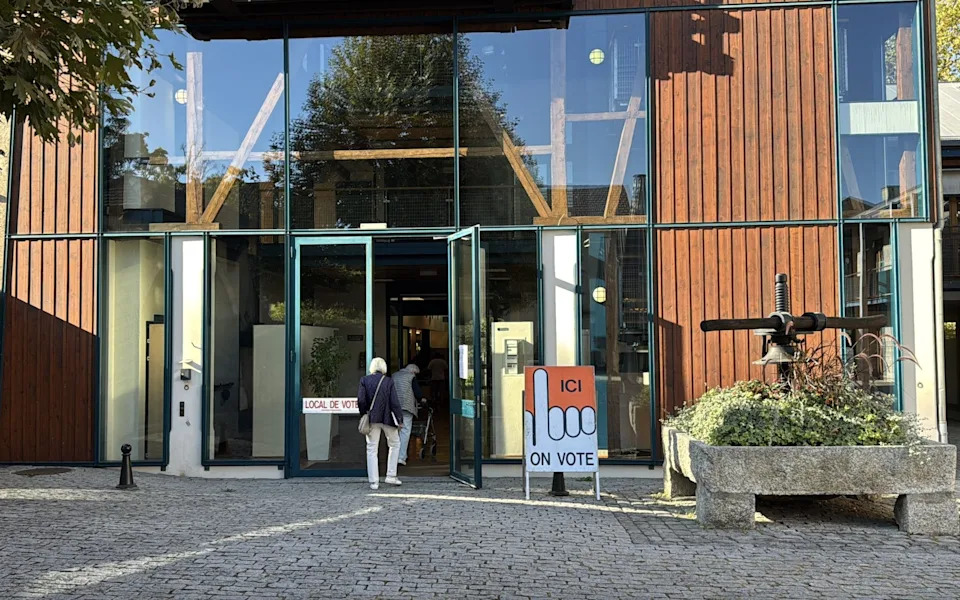
Swiss voters at the polls on Sunday - Anadolu/ Muhammet Ikbal Arslan
Government Reaction and Debate
Federal authorities, parliament and most major parties opposed the amendment, arguing it was too rigid and would unduly limit Switzerland's diplomatic flexibility amid growing geopolitical tensions. Foreign Minister Ignazio Cassis emphasized:
"This result is not a vote against neutrality. Switzerland was neutral yesterday, it will be neutral today, and it will remain neutral."
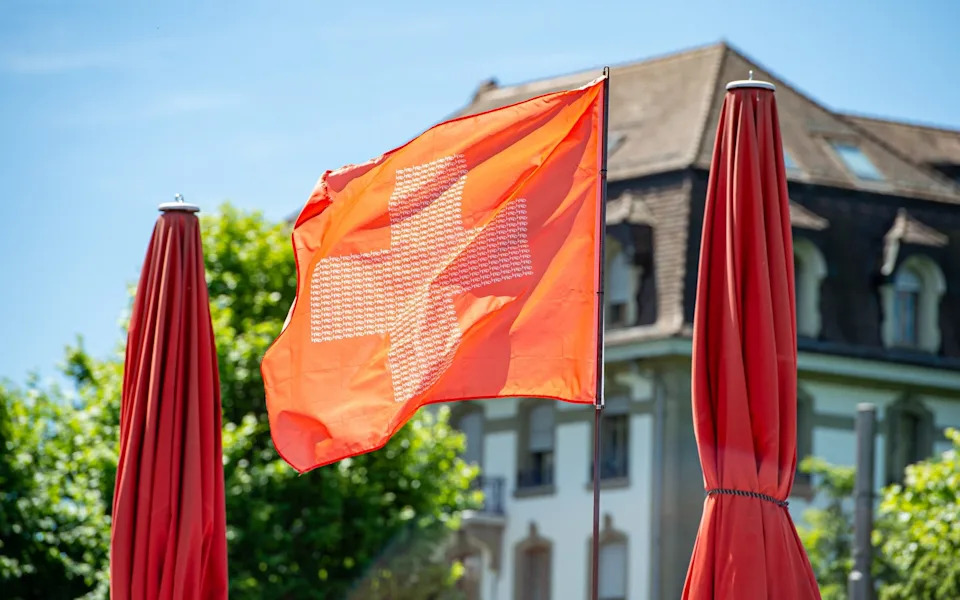
A Swiss flag flies on election day - Getty Images/Robert Hradil
Context and International Response
Switzerland traditionally practices armed neutrality, a policy often traced back to the Battle of Marignano in 1515. Russia's invasion of Ukraine and Bern's subsequent decision to adopt some EU sanctions on Moscow reignited debate over how neutrality should be applied in the 21st century. Moscow publicly praised the proposal after criticising Switzerland's adoption of sanctions earlier in the conflict.
Political Landscape and Implications
Opinion polls had indicated a likely rejection, and the vote confirmed broad public and political scepticism toward constitutionally rigid rules on neutrality. Supporters of the amendment argued it would strengthen Swiss credibility and promote peace through consistent non-alignment, while opponents warned it could constrain Switzerland's ability to respond to international crises and uphold human-rights norms.
What Comes Next: With the amendment defeated, Switzerland retains its current interpretation of neutrality—officially armed but applied with flexibility—and continues to navigate a cautious foreign policy between traditional non-alignment and growing pressure from international partners.
Help us improve.