Five developments families should watch: the 2027–28 FAFSA opened early on Sept. 23 with faster verification; some private colleges are sharply lowering published tuition (Carroll College plans to cut its sticker price from $44,712 to $26,800 in fall 2027); MIT displaced Princeton in the 2027 U.S. News rankings after a new earnings-by-major metric; an ACLU/Amnesty report highlights punitive campus responses to pro-Palestinian protests and a civil suit alleges a 2024 sexual assault at a Cornell fraternity; and a proposed class action claims the Education Department misreported canceled loans affecting ~300,000 borrowers (~$4.6B). Families should probe net costs, ask how campuses enforce policies, and verify loan-discharge records.
Five College Developments Families Should Read This Week — Early FAFSA, Tuition Cuts, Rankings Shake-Up, Speech and Safety Concerns
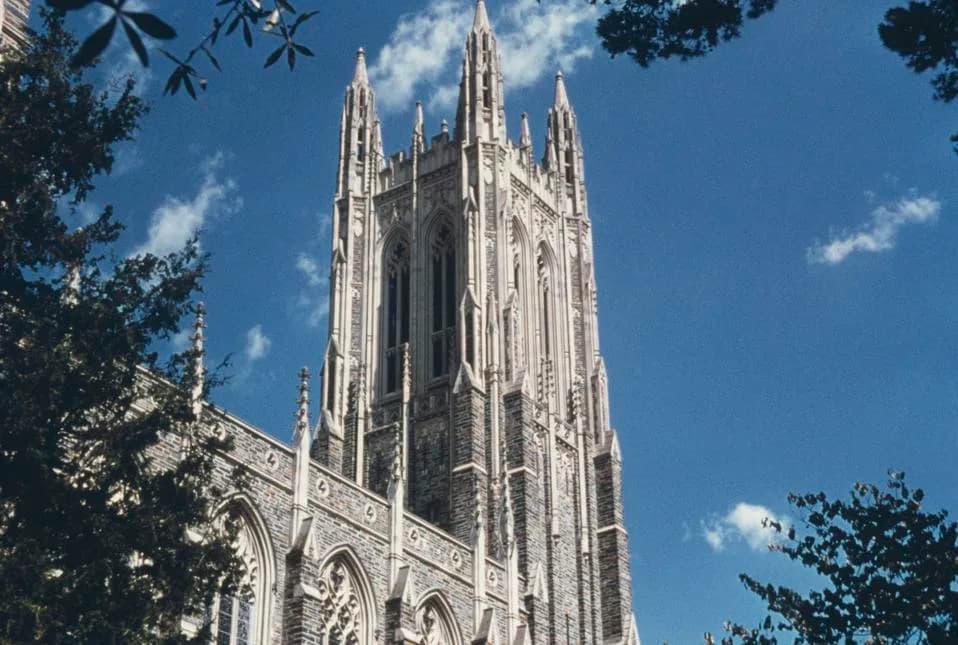
Duke University, Durham, North Carolina, USA, circa 1960. (Photo by Harvey Meston/Archive Photos/Getty Images)Getty Images
Families and counselors making college plans should pay attention to five recent developments that affect cost, rankings, campus life and borrower protections. Each item matters not just as news but for the specific questions families should ask as they compare colleges.
1. FAFSA Opens Early (2027–28)
The 2027–28 Free Application for Federal Student Aid opened on September 23, earlier than any prior public rollout, the U.S. Department of Education said. The department also says account verification has been sped up; students can begin applications at FAFSA.gov.
What families should know: An earlier FAFSA gives schools and families more time to resolve problems, but it doesn’t guarantee that every college will send financial-aid offers immediately. Check each institution’s and state’s deadlines, and ask your colleges when applicants typically receive aid packages.
2. Some Colleges Are Cutting Published Tuition
The Wall Street Journal reports that some private colleges are sharply lowering published tuition and offering loan-free aid as families push back on high costs. For example, Carroll College (Montana) announced that its listed undergraduate tuition and fees will drop from $44,712 to $26,800 beginning in fall 2027 and that institutional aid will be realigned to the new sticker price.
What families should know: A large cut in sticker price does not necessarily translate into an equivalent reduction in every student’s net cost. Students receiving significant institutional scholarships could see little change in their final bill. Counselors and families should compare estimated net price, the terms of institutional aid, and examples showing how the new pricing affects different types of students.
3. Rankings Change: MIT Tops U.S. News (2027)
In the 2027 U.S. News national university rankings, MIT replaced Princeton at the top after U.S. News added a new metric that compares graduates’ earnings within majors. That metric aims to reduce bias toward schools that graduate more students into high-paying fields.
What families should know: Rankings reflect what they measure. Ask which outcomes a ranking rewards (salary, graduation rates, research, student experience) and whether those outcomes match the student’s goals. Use rankings as one input among many, not the sole determinant.
4. Campus Speech and Student Safety Concerns
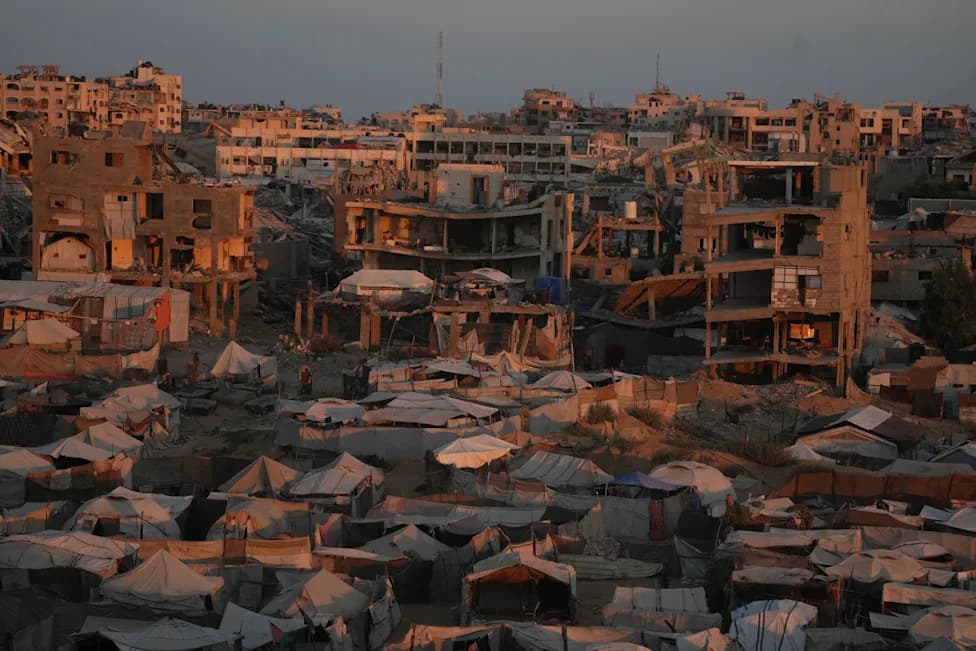
On September 23, the ACLU and Amnesty International USA released a report reviewing responses to pro-Palestinian speech and protest at 80 public and private campuses across 28 states and Washington, D.C. The groups say they found instances of punitive discipline, restrictions on student organizations, policing practices, and federal pressure that, in their view, suppressed expression. The report urges colleges to apply protest and speech rules without regard to viewpoint.
Separately, a former Cornell student filed a civil lawsuit on September 14 alleging she was drugged and sexually assaulted at a fraternity house in 2024. Prosecutors say their criminal investigation did not produce enough evidence to bring charges; Cornell says it investigated under university policies and the fraternity chapter remains barred from campus. The civil claims remain unresolved.
What families should know: Policies promising open inquiry or safety mean little unless consistently enforced. Prospective students should ask how a campus actually handles political disagreement, protests, allegations of harassment, and reports of sexual violence: what support services exist, what the investigative process looks like, what interim measures can be taken, and how the school communicates what it can and cannot disclose.
5. Proposed Class Action Alleges Misreported Canceled Loans
A proposed class-action lawsuit alleges the U.S. Department of Education continued reporting federal student loans as active even after canceling loans for borrowers who attended institutions accused of fraud and misconduct. The Project on Predatory Student Lending estimates the problem could affect more than 300,000 borrowers and involve about $4.6 billion in canceled debt.
What families and borrowers should know: If loan discharges are reported incorrectly, borrowers can face difficulty qualifying for mortgages, renting apartments, obtaining auto loans or credit cards, and otherwise rebuilding their finances. Borrowers who receive a discharge or cancellation should check their credit reports and loan servicer records to confirm their balances show as closed.
Takeaway
These stories share a common theme: the gap between public-facing signals and students’ lived experience. An earlier FAFSA only helps if aid arrives in time; a lower sticker price only matters for the final bill a family pays; rankings depend on what is measured; and promises about free expression and safety must be tested by consistent policies and practices. Ask specific, practical questions when researching colleges so decisions rest on likely outcomes, not surface signals.
Help us improve.