The California Supreme Court ordered Riverside County Sheriff Chad Bianco to return 650,000 ballots seized from a 2025 redistricting referendum, finding the seizure unlawful and highlighting risks to election integrity. The decision follows an FBI seizure of 2020 Fulton County ballots and has spurred states to tighten notification rules, adopt handling guidance, and pass penalties for unlawful ballot seizures. Legal experts say the ruling and new judicial guidance—favoring access to copies or forensic images over originals—will make judges nationwide more cautious about warrants targeting ballots before the 2026 midterms.
California Supreme Court Orders Return Of 650,000 Seized Ballots — Ruling Seen As National Guardrail
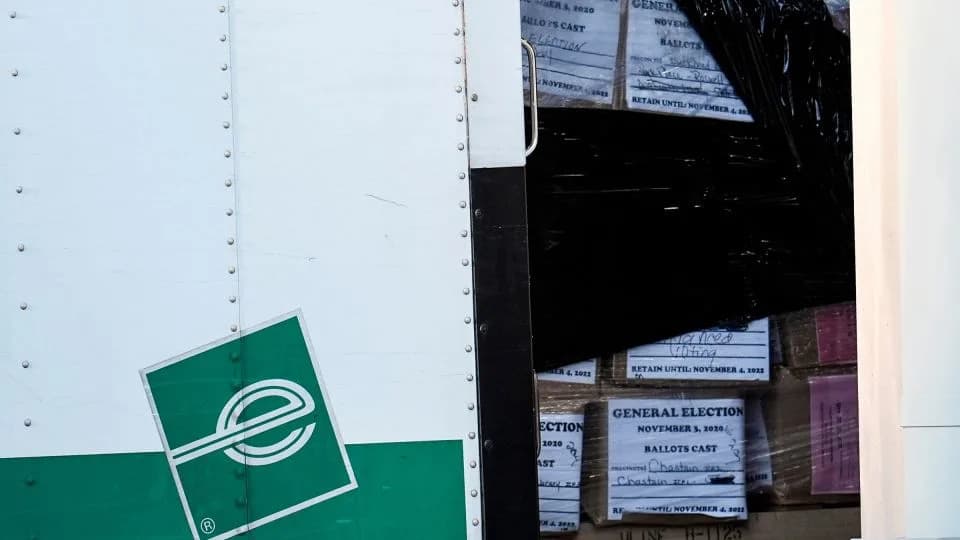
Georgia general election 2020 ballots are loaded by the FBI onto trucks at the Fulton County Election Hub, Jan. 28, 2026, in Union City, Ga., near Atlanta. - Mike Stewart/AP/File
The California Supreme Court has ordered Riverside County Sheriff Chad Bianco to return 650,000 ballots he seized from the county’s 2025 redistricting referendum, ruling the seizure unlawful and emphasizing the threat unfettered access to ballots poses to election integrity. The decision follows heightened scrutiny after the FBI executed a January warrant to obtain 2020 ballots in Fulton County, Georgia, and comes as states prepare for potential election-related probes ahead of the 2026 midterms.
Why This Matters
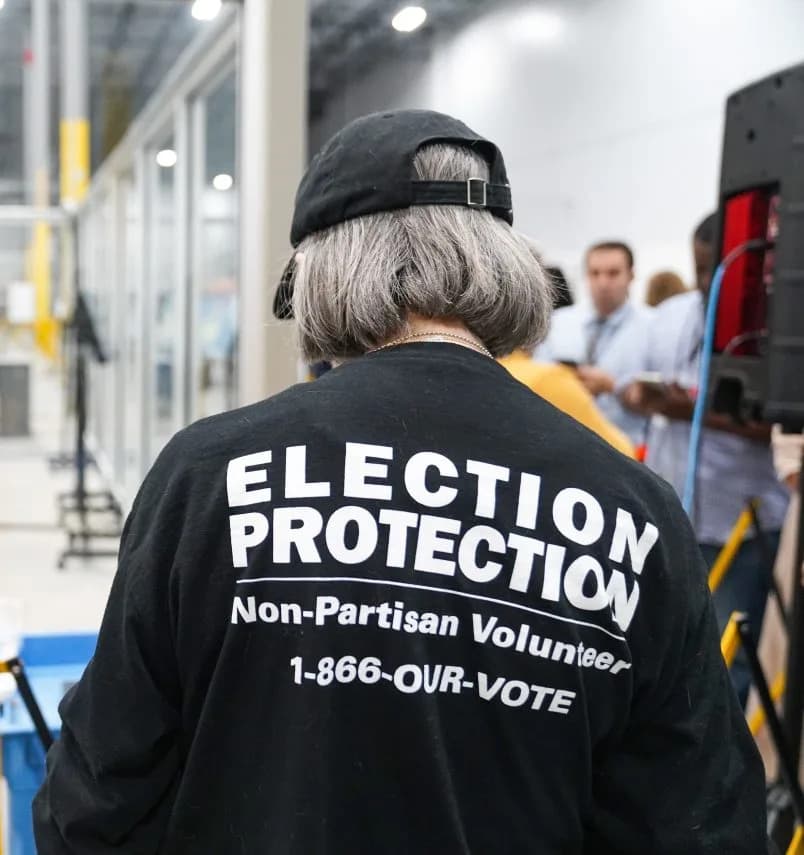
Although both the Fulton and Riverside actions targeted completed elections, officials and legal experts warned they could encourage attempts to seize live ballots while votes are still being counted or certified. That risk has prompted state officials to tighten rules and to develop protocols for how election materials should be handled when investigators seek access.
Chain Of Custody And Election Integrity
A core concern is the chain of custody: state and local regulations require strict procedures for handling ballots to preserve public confidence in results. The California Supreme Court warned that "allowing law enforcement unfettered access to ballots, or the ability to handle and count them in secret based on unregulated protocols, itself creates a substantial risk to election integrity." Experts say breaking or appearing to break chain-of-custody rules can undermine trust in the outcome even if no fraud occurred.
Legal And Policy Responses
California Attorney General Rob Bonta intervened after learning of the warrant and ordered Sheriff Bianco to stand down while the state reviewed the matter. When the sheriff proceeded with the seizure, Bonta sued; county voters also filed a separate challenge. The California Supreme Court concluded Bianco ignored the attorney general's directives and that the seizure was unlawful.
In the wake of these episodes, California moved quickly to narrow the circumstances under which law enforcement may obtain ballots and to impose criminal penalties for unlawful attempts to remove ballots from election custody. Other states, including Connecticut, have enacted notification requirements that force local jurisdictions to alert state officials when law enforcement seeks election materials. State election offices have issued guidance for handling investigative demands and have held outreach with law enforcement to explain election sensitivities.
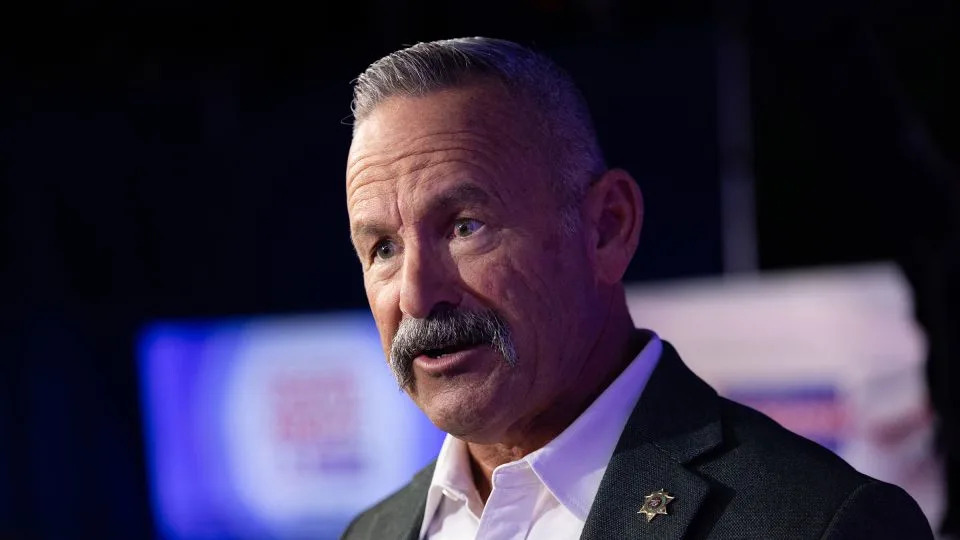
Riverside County Sheriff Chad Bianco, at the time a Republican gubernatorial candidate in California, speaks after a gubernatorial debate in San Francisco, on April 22, 2026 in San Francisco, California. - Benjamin Fanjoy/Getty Images
National Impact And Judicial Guidance
Legal scholars and former judges have been briefing magistrates on how to evaluate warrants and subpoenas involving ballots. Among the recommendations is that courts consider permitting investigators to access high-quality copies or forensic images of ballots rather than original ballots, to preserve chain of custody and public confidence.
"Election officials are planners. And so, they have to consider possibilities even if they're not going to happen — to be ready in case they do," said David Becker, a former Justice Department voting section attorney who advises election administrators of both parties.
Scholars such as Justin Levitt and Richard Hasen say the California ruling and the broader conversation will make magistrates nationwide more cautious about authorizing seizures of ballots and more likely to insist on strict safeguards or alternatives.
Responses And Next Steps
Sheriff Bianco, who was running in a Republican gubernatorial primary at the time, said in a video response that the court had "ruled against lawful investigations" and indicated he might appeal to federal courts. He argued he acted on evidence of potential crimes and said the decision risked eroding public confidence in investigators' ability to pursue wrongdoing.
State officials and election administrators have framed the ruling as an opportunity to share best practices across states, to prepare legal defenses, and to brief judges on the special evidentiary and procedural needs that ballots present. The combined reaction to the Fulton County and Riverside County episodes — litigation, new laws, and judicial guidance — may deter similar seizures in the future, particularly in the post-election environment.
Photo caption: Riverside County Sheriff Chad Bianco, then a Republican candidate for governor, speaking after a gubernatorial debate in San Francisco on April 22, 2026.
Help us improve.