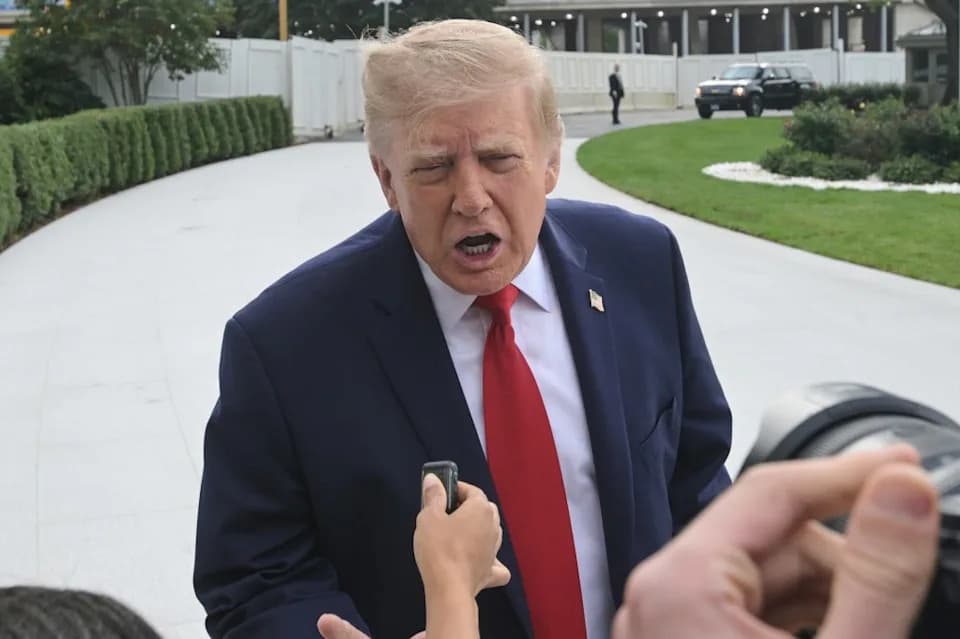
The D.C. Circuit, in a divided decision, upheld the Pentagon's designation of Anthropic as a 'supply chain risk,' allowing continued restrictions on the company's Claude AI models. Anthropic has sued, calling the designation retaliatory and saying it may seek further review. Legal experts say the ruling fits a pattern of the Trump administration invoking national-security rationales for contested policies — a trend that could erode judicial deference if claims appear implausible. Separate litigation over White House media bans remains pending.
Appeals Court Upholds Pentagon Ban On Anthropic As Judges Scrutinize Expansive 'National Security' Claims
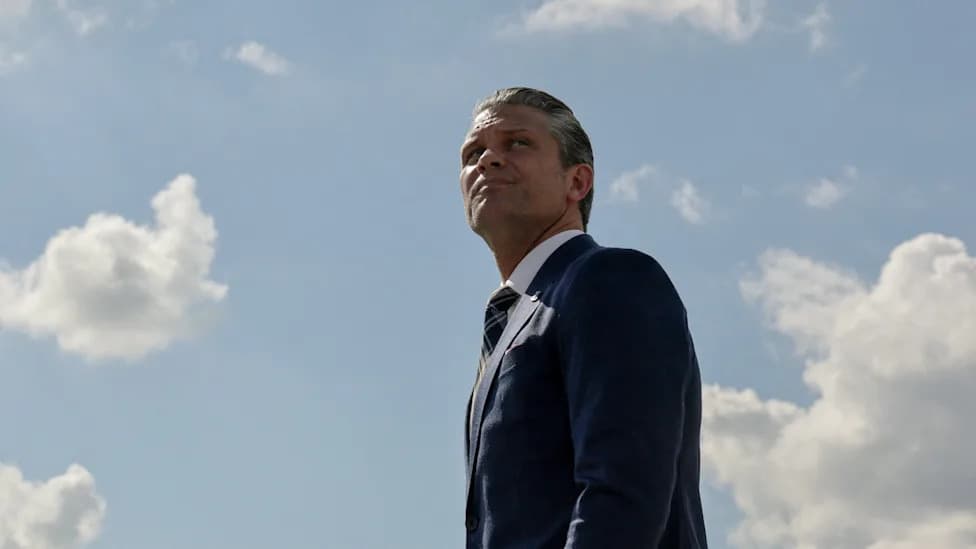
(Getty Images)
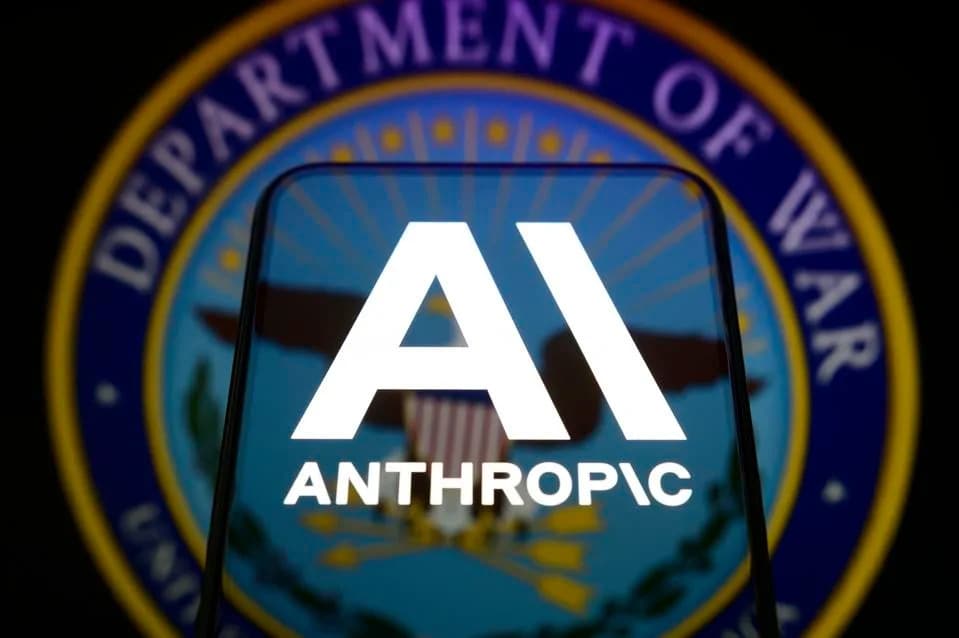
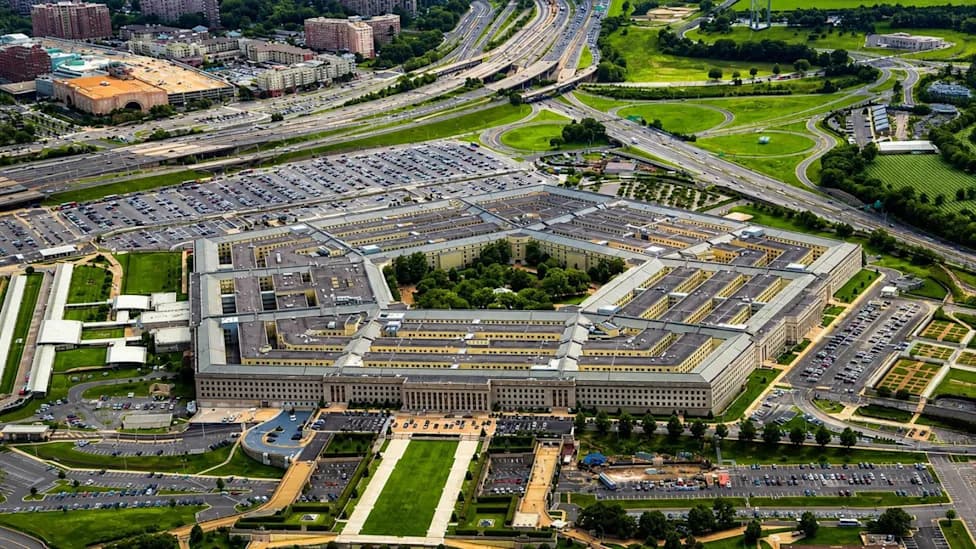
A divided panel of the U.S. Court of Appeals for the D.C. Circuit on Friday upheld the Pentagon's decision to blacklist artificial-intelligence firm Anthropic, allowing the Department of Defense to keep the company off military contracts on national-security grounds.
The Defense Department designated Anthropic a 'supply chain risk' in early March after Defense Secretary Pete Hegseth pressed the company to remove safeguards that prevent its Claude models from being used for large-scale domestic surveillance and fully autonomous weapons. Anthropic sued, arguing the label was retaliatory and targeted the firm for a protected policy stance.
The appeals court rejected Anthropic's retaliation claim in a 2-1 ruling. Judge Gregory Katsas, joined by Judge Neomi Rao, wrote that the Pentagon had 'ample support' for concluding Claude's continued use posed a national-security risk. Judge Karen LeCraft Henderson dissented.
Anthropic said it is considering 'all options, including further review.' The ruling permits the Pentagon to continue barring military contractors from using Anthropic's Claude models.
Broader Context: A Pattern of Security Justifications
Legal observers say the case fits a broader pattern in which the Trump administration has increasingly invoked 'national security' to justify contested policies. Examples cited by critics include broad tariffs, domestic National Guard deployments, a White House ballroom described by a spokesperson as 'a national security imperative' amid alleged assassination threats, and a proposed triumphal arch near Arlington that the president said the military asked to equip with drones and sniper positions.
"Courts generally defer to the executive branch on national-security claims," said Matthew Waxman, a Columbia Law School professor who served in national-security roles in the George W. Bush administration. But he warned that implausible claims risk undermining that deference and creating the perception that it can be abused.
The article notes a parallel dispute over media access after the White House barred CNN, MS NOW (formerly MSNBC), and Politico from events. President Trump initially cited unfair coverage and later framed the exclusions as a security concern, posting on Truth Social that outlets 'who violate our National Security by writing false and defamatory stories' should be denied access. The White House Press Office accused the outlets of 'trafficking in verifiable falsehoods about national security.'
Attorney Ted Boutrous, representing the three outlets, called the administration's security justification its 'magic word.' U.S. District Judge Timothy Kelly temporarily restored the outlets' credentials, noting that the record predating the suit does not show the bans were motivated by security rather than complaints about negative coverage. The longer-term injunction request remains pending, and the outlets have said they will pursue further relief if needed; the administration says it will appeal any final adverse ruling.
What Comes Next
Both the Anthropic case and the media-access litigation are ongoing. The appeals court decision keeps the Pentagon's restriction in place while Anthropic weighs further legal options. Legal scholars stress that courts are only one check on expansive national-security claims and that Congress and political mechanisms also play important roles in policing potential abuses.
Help us improve.