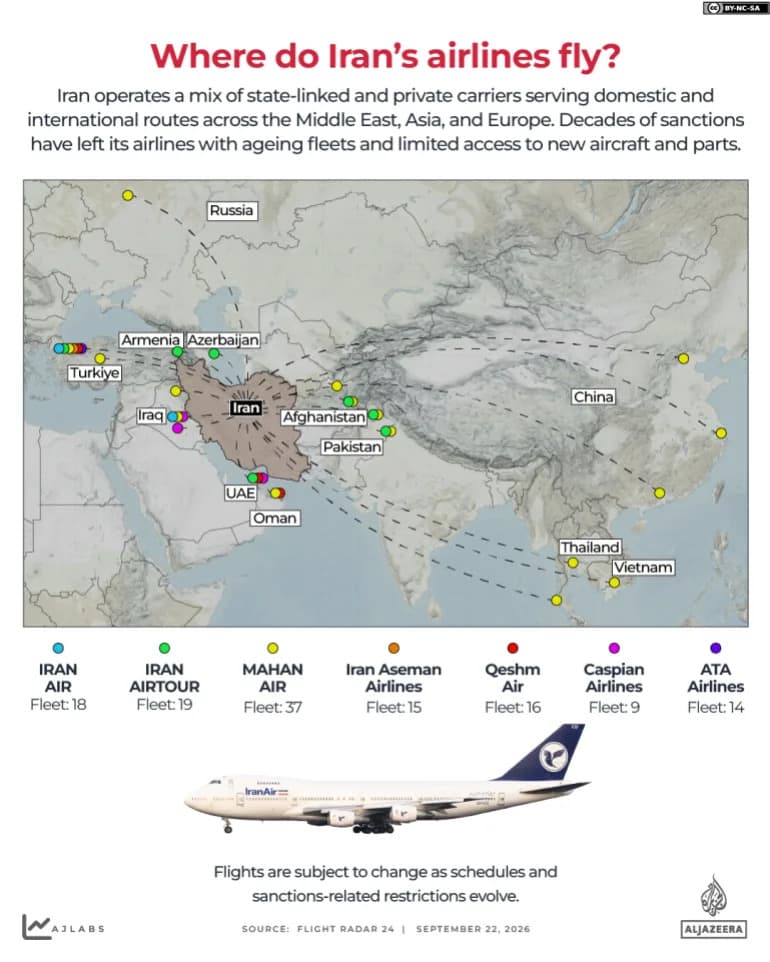
Iraq has opened direct talks with the United States to obtain exemptions that would allow selected Iraqi airports to resume flights with Iran after Washington imposed new aviation sanctions. Four airports — Baghdad, Najaf, Erbil and Sulaimaniyah — suspended services, forcing passengers onto land journeys of at least 12 hours. Baghdad says exemptions would cover humanitarian travel for medical, educational and religious reasons, while diplomats from both countries report ongoing contacts to restore air links.
Iraq Seeks US Exemptions to Restore Flights With Iran Amid New Aviation Sanctions
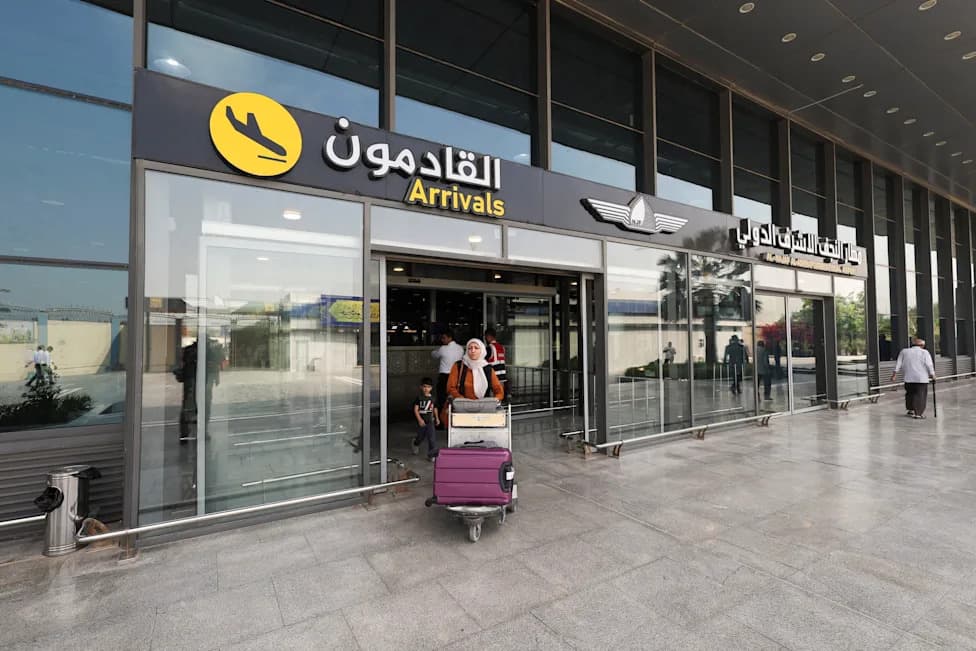
An Iranian passenger carrying luggage leaves Iraq's Najaf international airport [File: Alaa Al-Marjani/Reuters]
Iraq has opened direct talks with Washington seeking exemptions that would allow some Iraqi airports to resume flights with Iran after the United States announced new aviation sanctions affecting carriers that do business with Iranian airlines.
What Happened
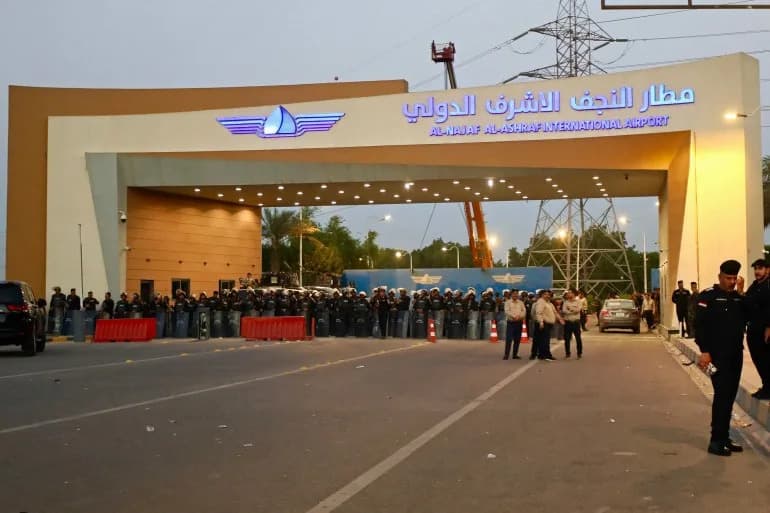
On Friday, four Iraqi airports — Baghdad, Najaf, Erbil and Sulaimaniyah — suspended all services to and from Iran. The suspensions followed Washington's announcement of measures intended to deter global companies from providing services to Iranian carriers.
Humanitarian Exemptions Sought
The office of the Iraqi prime minister said a US exemption for Baghdad would permit flights to resume for humanitarian reasons, including medical treatment, education, religious visits and other civilian needs. Prime Minister Ali al-Zaidi's media office said Baghdad is working to de-escalate regional tensions and urged all parties to pursue dialogue and negotiation to resolve the crisis.
Public Reaction And Protests
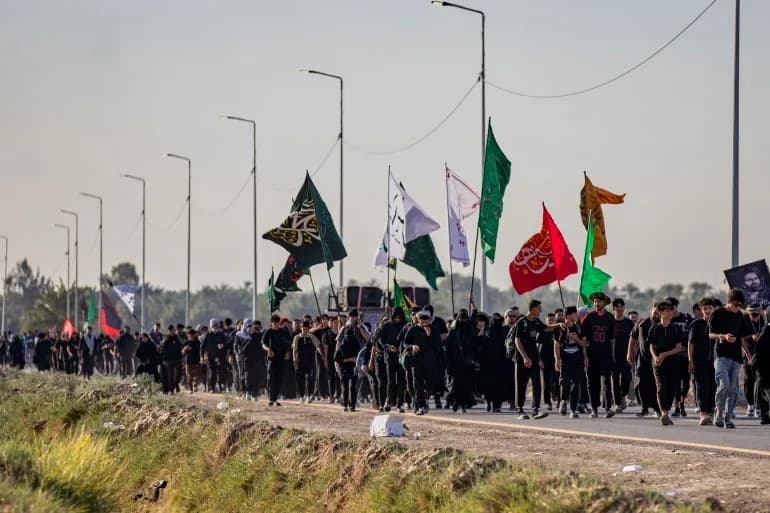
The flight suspensions sparked demonstrations in Baghdad organised by Iran-allied Iraqi militias. In Najaf, dozens of scholars and students from the Hawza of Najaf — one of the most prominent Shia seminaries — held a vigil and called on the government to protect Iraq's independence and the free movement of pilgrims and students.
"The halting of flights comes at a time when the peoples of the region are most in need of strengthening the bonds of brotherhood," the seminary's Scholarly Assembly said in a statement, urging the government to "maintain the independence and sovereignty of Iraqi decision-making."
Diplomatic Contacts
Iraq's ambassador to Tehran, Yasser al-Hajjaj, told the Iraqi state news agency the suspension would be temporary and would not damage bilateral ties. He highlighted deep social links between the countries, including roughly 100,000 Iraqi students studying in Iran, hundreds of thousands of Iraqis living in Iran, and thousands of daily border crossings.
Iran's ambassador to Iraq, Mohammad Kazem al-Sadegh, said officials from both capitals remain in contact and that a new decision on flights may be announced soon.
"Iraq is in a difficult situation, allied both to America and to Iran. At times like this, it is squeezed between the two," Al Jazeera correspondent Jack Hewson reported from Baghdad, noting that public opinion is divided over responsibility for the crisis.
Why It Matters
The suspension of air links disrupts pilgrimage travel, education, medical trips and family visits, increasing reliance on lengthy overland journeys and straining communities with close cross-border ties. The outcome of Baghdad's talks with Washington and ongoing contact with Tehran will determine whether limited humanitarian exemptions can restore vital links without running afoul of US sanctions.
Help us improve.