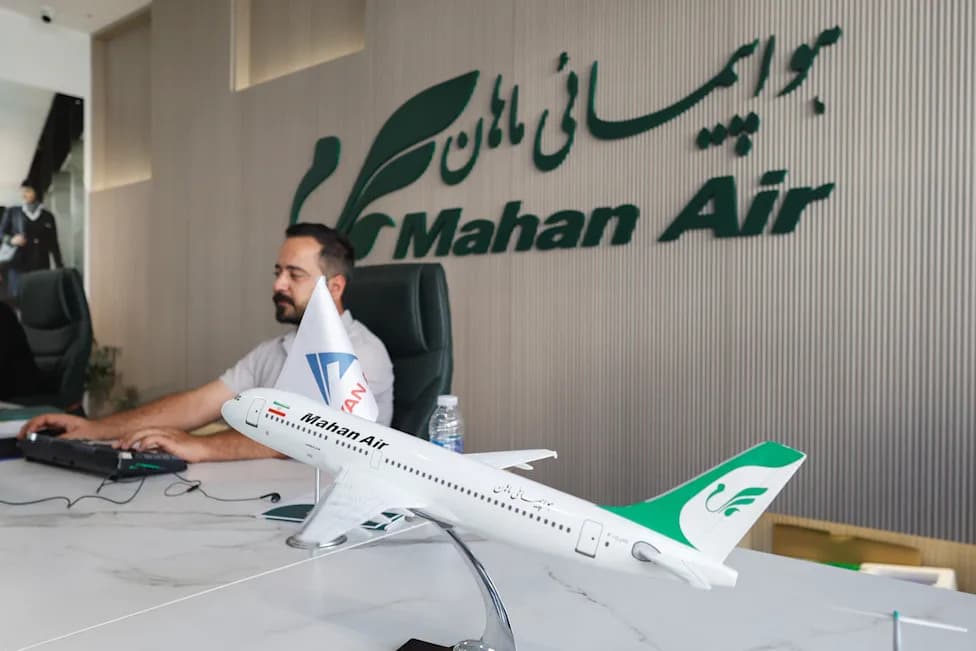
Iraq announced a US exemption allowing Iranian airlines (except Mahan Air) to operate up to 40 daily flights to Najaf, reopening a vital route for pilgrims after sanctions on Iran's aviation sector caused service suspensions. The US Treasury had sanctioned 36 aviation-linked entities on September 8, leading foreign ground handlers to stop servicing Iranian planes and triggering protests. Flights to Najaf have resumed, but services at Baghdad, Erbil and Sulaimaniyah remain suspended, forcing lengthy land journeys for many travelers.
Iraq Secures US Exemption Allowing Up To 40 Daily Iranian Flights To Najaf (Mahan Air Excluded)
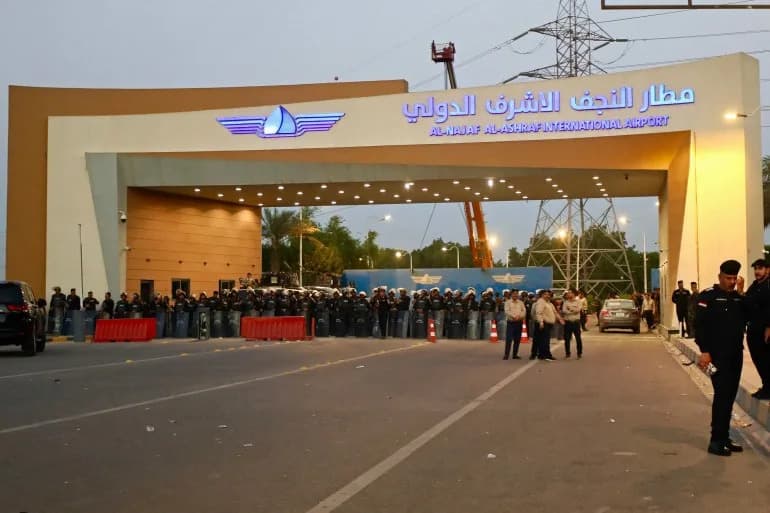
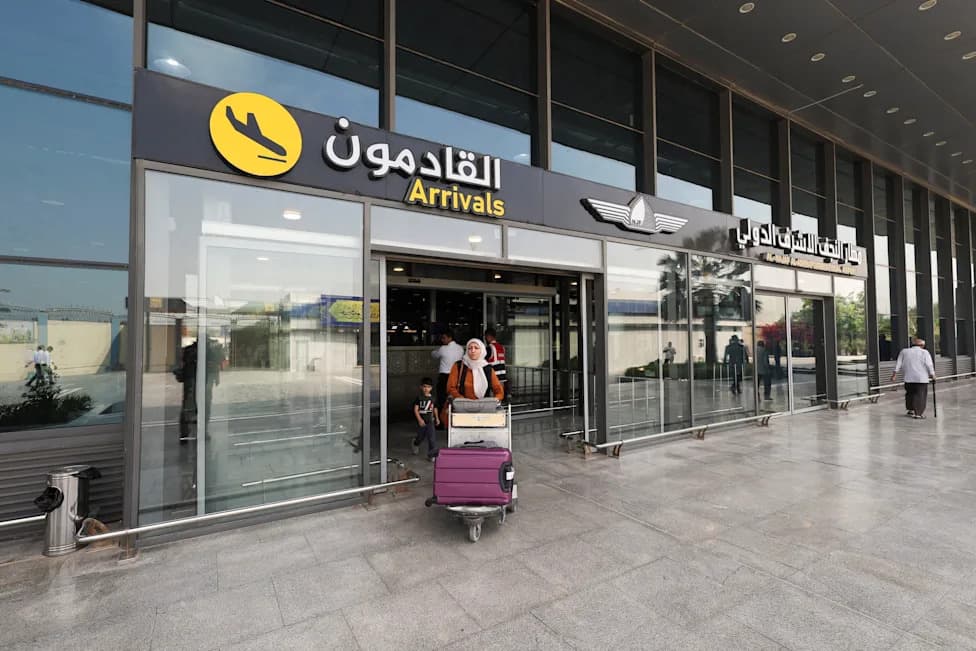
Security personnel stand guard as demonstrators gather outside the Al-Najaf Al-Ashraf International Airport in Najaf, demanding the facility to be reopened for flights from Iran [AFP]
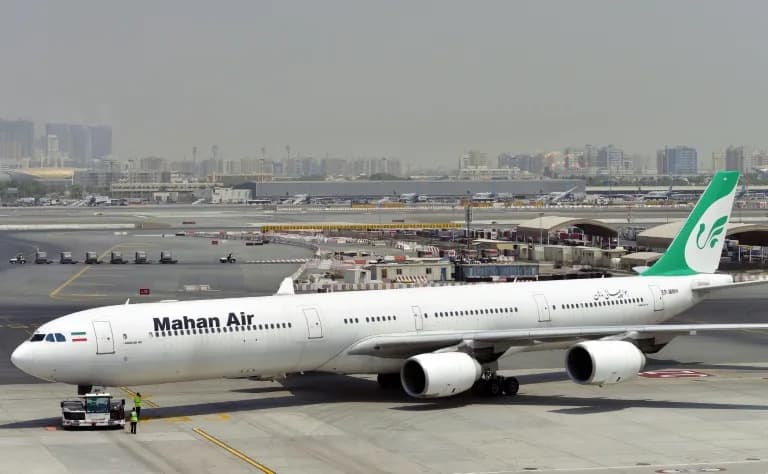
Iraq has reached an agreement to allow Iranian carriers — excluding Mahan Air — to operate up to 40 daily flights to and from Najaf International Airport after Washington granted an exemption from recent US sanctions, Iraqi officials said.
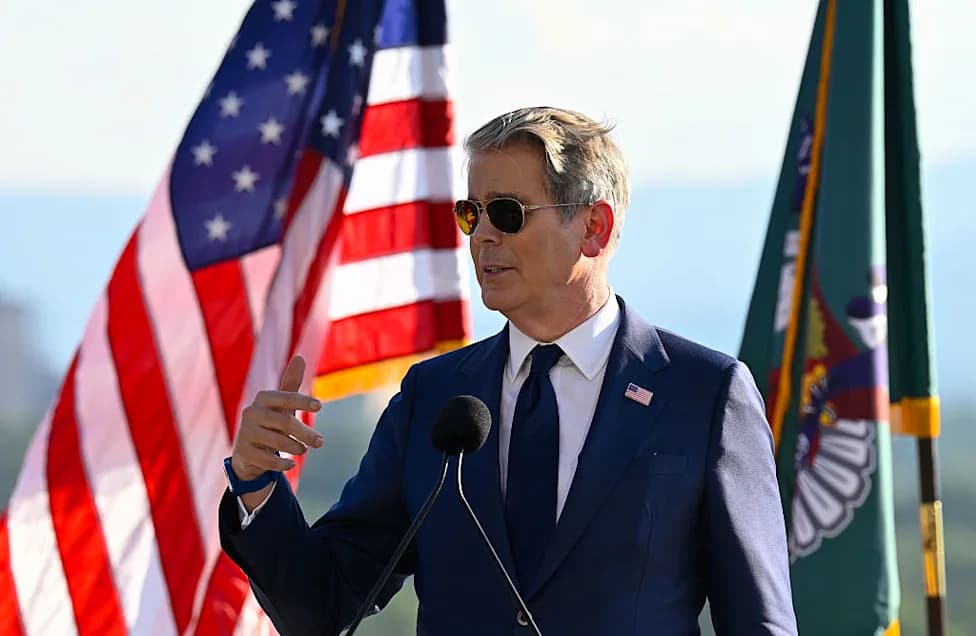
Prime Minister Ali al-Zaidi's office announced the arrangement on Friday following Tehran's appeal for Baghdad to lift restrictions that, officials said, were harming pilgrims, patients, students and traders. The prime minister's statement described the US move as a "positive response" to Iraq's diplomatic efforts to protect religious travel and people-to-people ties.
"Air travel does not merely represent transportation between two airports, but rather a bridge of communication between peoples," the statement said.
Background
The US Treasury imposed sanctions on September 8 targeting 36 entities tied to Iran's aviation sector. After the announcement, some foreign ground-handling companies refused to service Iranian aircraft for fear of running afoul of US rules, prompting the suspension of Iranian-operated flights at four Iraqi airports.
Iraq held direct talks with Washington seeking an exemption. Baghdad's ambassador to Tehran, Yasser al-Hajjaj, told Iranian media that Iraq had not ordered the suspension of flights. According to Iran's ambassador to Baghdad, Mohammad Kazem al-Sadegh, there had been roughly 25 daily flights from Iran to Najaf and about 15 daily flights to Baghdad before the disruption.
Resumption And Remaining Disruptions
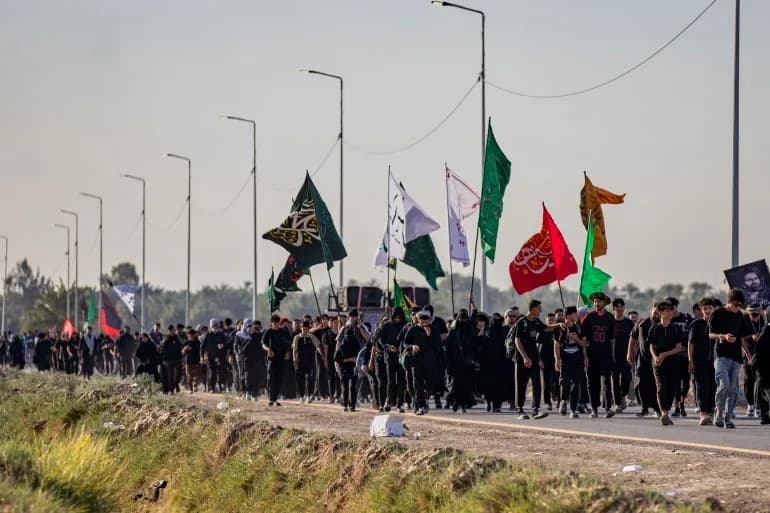
Flights between Najaf and Iran resumed late on Monday, according to the Iraqi News Agency. However, services at Baghdad, Erbil and Sulaimaniyah airports remain suspended, forcing many passengers onto land routes that can take at least 12 hours and significantly disrupting pilgrim traffic.
Iranian officials have said that about 12,000 to 13,000 people travel between Iran and Iraq on Iranian airlines — underscoring the scale of the interruption. The Iranian foreign ministry criticized Washington's enforcement of sanctions as "illegal and inhumane" for disrupting trade and air transport.
Separately, Iraq's Foreign Minister Fuad Hussein framed the exemption as evidence of an Iraqi–US partnership based on mutual respect and said the move helps protect religious freedom by facilitating access to holy sites.
Protests were reported outside Najaf International Airport and in other southern Iraqi cities after the original suspension of services; security forces had to guard the airport amid public pressure to restore flights.
Note: Al Jazeera said it had not independently verified the US exemption with Washington representatives.
Help us improve.