Heathrow's planned third runway has been pushed back four years and is now expected to open in 2039, after airport executives said the 2035 target for the £49bn expansion was unrealistic. Heathrow aims to secure planning permission by 2029 and says the runway would open within a decade thereafter. Supporters highlight economic benefits, including up to 108,000 jobs and a £2.6bn boost, while opponents and the Climate Change Committee warn of noise, health and emissions impacts and question compatibility with net zero targets.
Heathrow’s Third Runway Pushed Back To 2039 — Economic Promise Meets Climate And Local Concerns
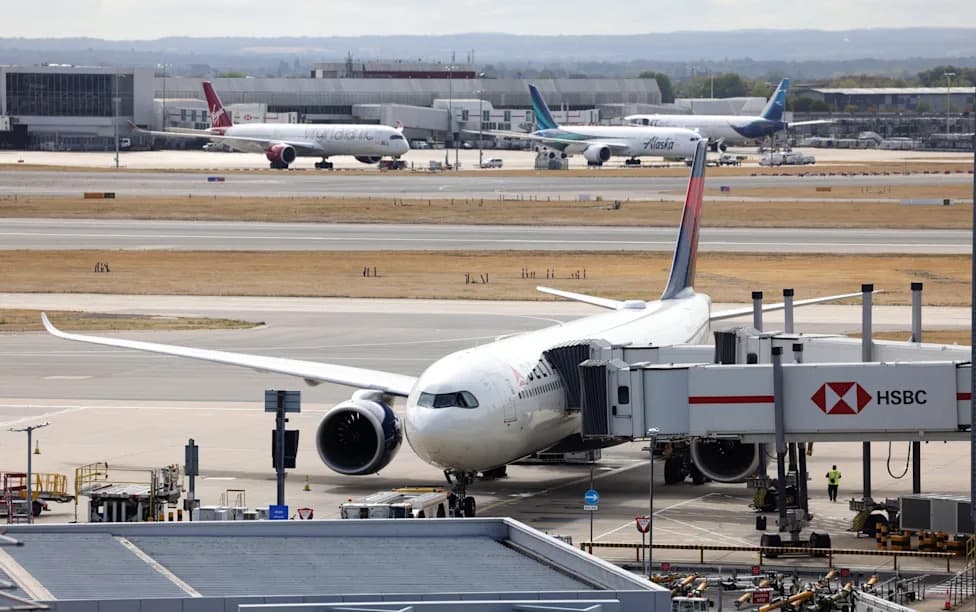
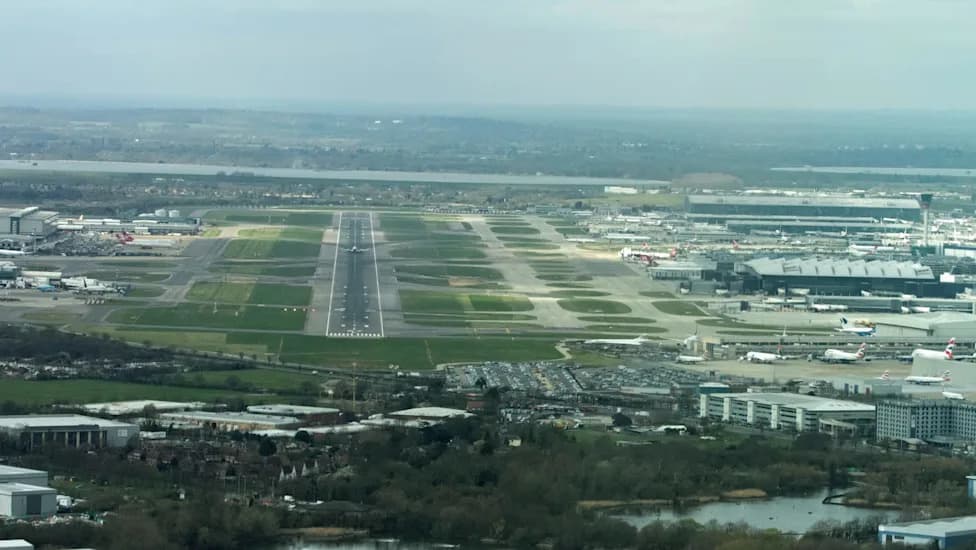
Airport chiefs have told ministers that it will not be possible to achieve the 2035 deadline - NEIL HALL/EPA/Shutterstock
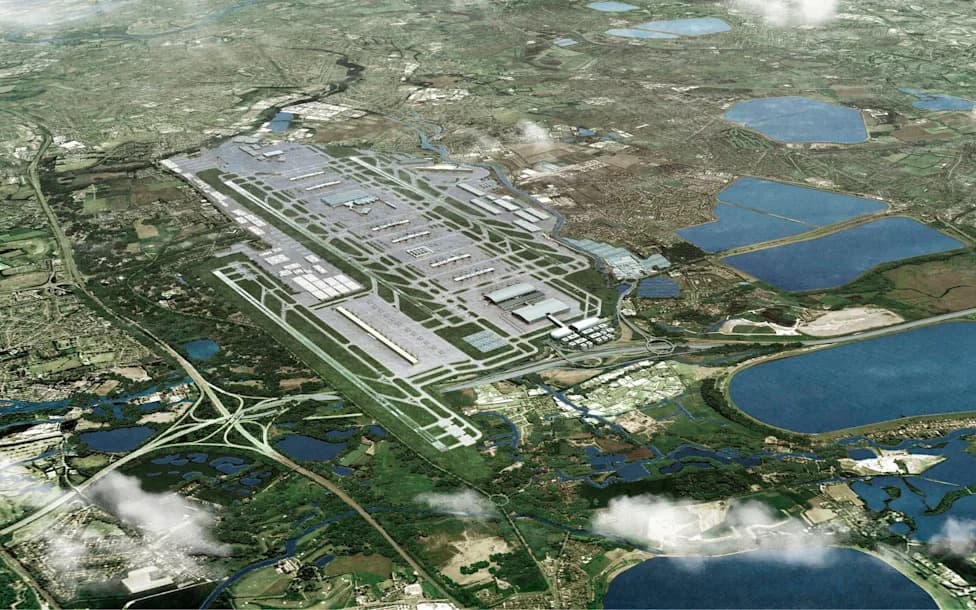
Heathrow Airport's long‑planned third runway has been delayed by four years and is now expected to be operational in 2039, airport executives have told ministers. The decision reflects a reassessment of an earlier 2035 target for completing the £49bn expansion.
Delay, Timetable and Next Steps
Airport leaders say the original 2035 deadline is not achievable and that their current priority is to secure planning permission by 2029. Heathrow has reiterated that, once planning consent is obtained, the new runway would open within a decade.
Political Backing and Doubts
The plan previously won high‑profile support, with former chancellor Rachel Reeves endorsing expansion last year and claiming it would create tens of thousands of jobs. Downing Street also backed the scheme under Sir Keir Starmer, while Chancellor John Healey recently reaffirmed government support on economic grounds.
However, political uncertainty remains: questions about regional investment priorities and mixed signals from senior ministers have clouded the project. The Prime Minister has reportedly expressed private reservations, arguing expansion could draw capital away from other regions.
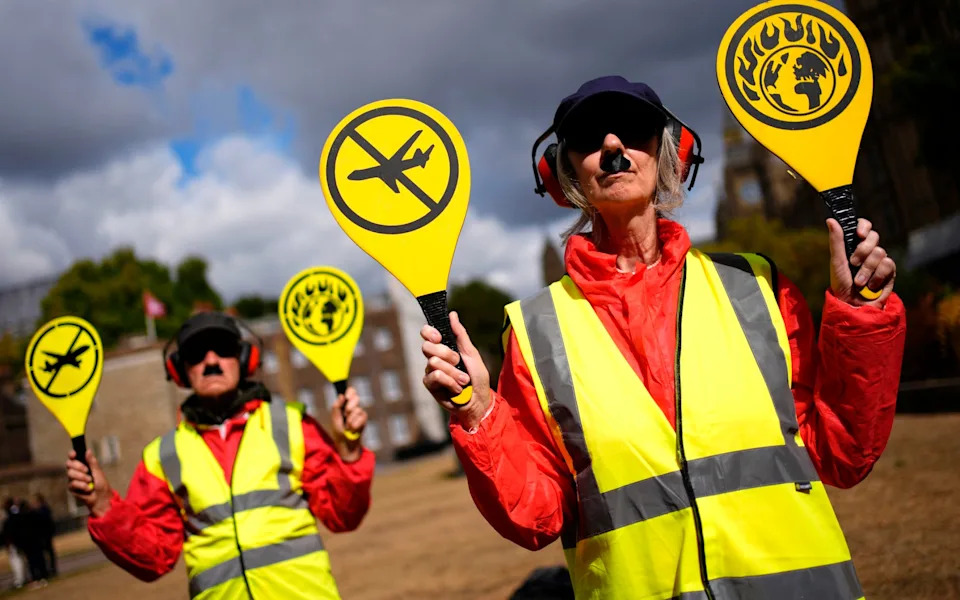
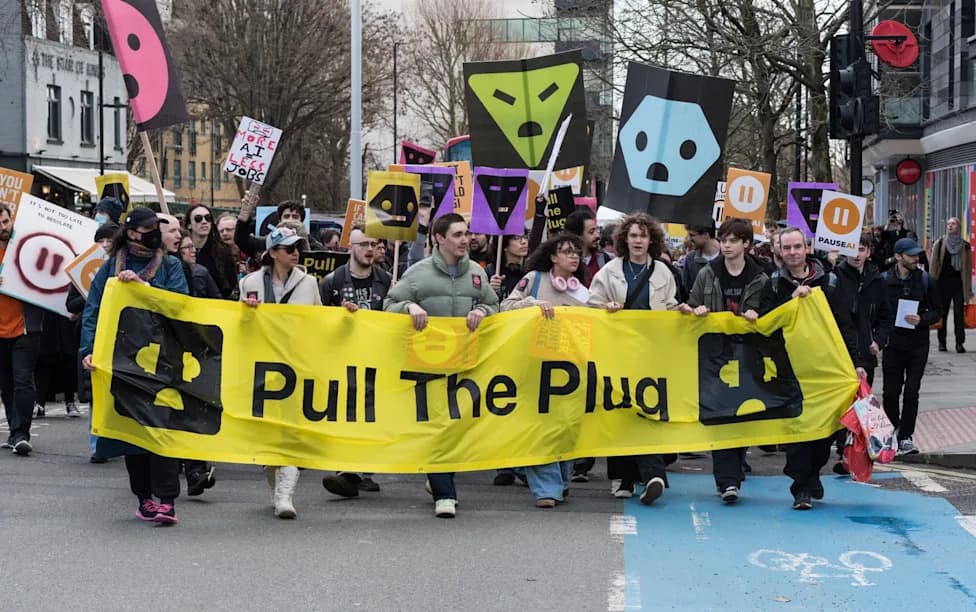
Campaigners protest against the expansion of UK airports, including the third runway at Heathrow - Jordan Pettitt/PA Wire
Economic Case
Heathrow and some ministers emphasise the project’s economic benefits. The airport projects at least 108,000 new jobs and says the expansion would attract billions in supply‑chain investment nationwide. Ministers point to an estimated £2.6bn boost to the economy as part of the argument for moving ahead.
Opposition And Environmental Concerns
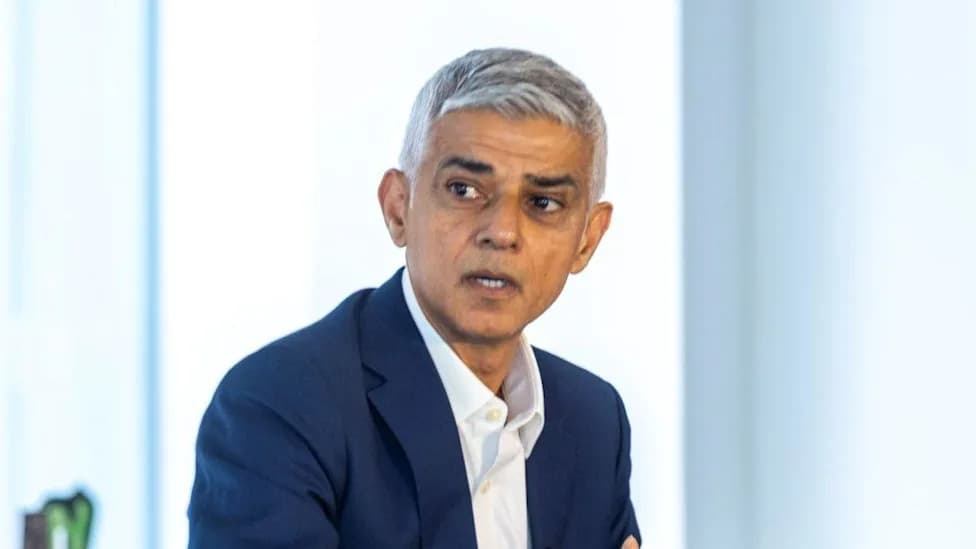
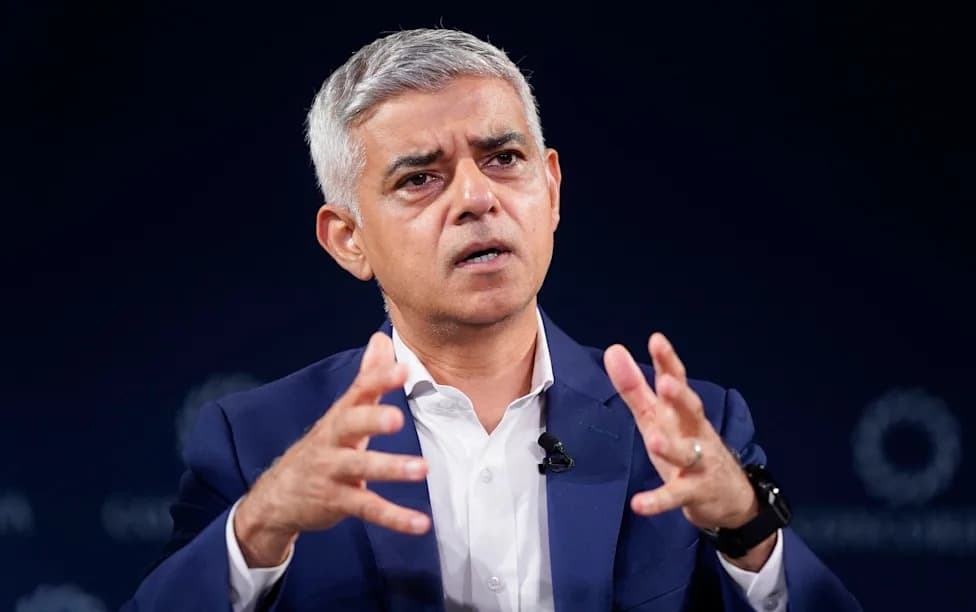
Local community groups, parts of the aviation industry and London Mayor Sadiq Khan oppose the expansion, citing increased noise, public‑health impacts and higher emissions. Some airlines prefer a smaller expansion that would avoid costly tunnelling under the M25.
“A third runway at Heathrow is not 'currently compatible' with reaching net zero by 2050,” the Climate Change Committee warned, unless operators adopt mitigations that could add around £400 to the cost of a transatlantic ticket.
Transport Secretary Heidi Alexander has pushed back on the committee's assessment, arguing the runway can be made compatible with net zero if emissions are addressed holistically across the economy.
Voices From Industry And Unions
Sir John Armitt, former chair of the National Infrastructure Commission, warned that repeated reversals on Heathrow have a significant cost and urged a realistic delivery programme. Gary Smith of the GMB union called for a practical, deliverable timeline to unlock the promised jobs and end decades of delay.
Outlook
The project remains politically and legally contested. Heathrow lost its status as Europe's busiest airport to Istanbul recently — an added factor in arguments for expansion — but opponents and climate advisers say the environmental trade-offs remain substantial. With planning permission targeted for 2029, the coming years will determine whether the programme can proceed on the revised timetable or face further delays and challenges.
Help us improve.